Powering the Future: How Clean Energy Technologies are Revolutionizing Smart Homes
As the world moves towards a more sustainable future, clean energy technologies are playing a crucial role in revolutionizing the way we power our homes. With the rise of smart home devices and the increasing demand for energy-efficient solutions, clean energy technologies are becoming more accessible and affordable than ever before. In this article, we will explore how clean energy technologies are transforming smart homes and how they are shaping the future of residential energy consumption.
The Rise of Clean Energy Technologies
Clean energy technologies, such as solar panels, wind turbines, and energy storage systems, have been gaining popularity in recent years as more homeowners seek to reduce their carbon footprint and lower their energy bills. These technologies harness renewable sources of energy, such as sunlight and wind, to generate electricity without producing harmful emissions. By utilizing clean energy technologies, homeowners can not only reduce their reliance on fossil fuels but also save money in the long run.
Solar Power: The Future of Home Energy
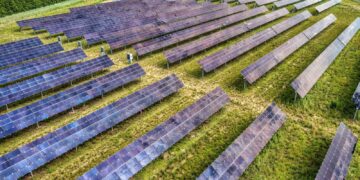
Solar power is one of the most widely adopted clean energy technologies in the residential sector. Solar panels, which are typically installed on the roof of a home, convert sunlight into electricity through photovoltaic cells. This electricity can then be used to power appliances, lighting, and other electrical devices in the home. In addition to reducing energy bills, solar power can also increase the value of a home and provide a reliable source of electricity during power outages.
Benefits of Solar Power for Smart Homes
There are several benefits of incorporating solar power into a smart home. One of the main advantages is the ability to generate electricity on-site, reducing the need to rely on the grid for power. This can help homeowners save money on their energy bills and reduce their carbon footprint. Additionally, solar power can be integrated with smart home devices, such as smart thermostats and lighting systems, to optimize energy use and improve overall energy efficiency.
Wind Power: Harnessing the Power of the Wind
Wind power is another clean energy technology that is gaining traction in the residential sector. Wind turbines, which are typically installed in open areas with strong winds, generate electricity by harnessing the kinetic energy of the wind. This electricity can then be stored in batteries or fed back into the grid for use in the home. While wind power may not be as widely adopted as solar power, it can be a viable option for homeowners in windy regions looking to reduce their reliance on fossil fuels.
Benefits of Wind Power for Smart Homes
Like solar power, wind power offers several benefits for smart homes. Wind turbines can generate electricity 24/7, providing a reliable source of power even when the sun is not shining. This can help homeowners reduce their energy bills and increase their energy independence. Additionally, wind power can be integrated with other clean energy technologies, such as solar panels and energy storage systems, to create a more resilient and efficient energy system for the home.
Energy Storage: The Key to Energy Independence
Energy storage systems, such as batteries and flywheels, play a critical role in enabling smart homes to store excess electricity generated by clean energy technologies for later use. These systems can help homeowners manage their energy consumption more efficiently, store electricity during off-peak hours, and provide backup power during outages. By incorporating energy storage into their smart homes, homeowners can reduce their reliance on the grid and increase their energy independence.
Benefits of Energy Storage for Smart Homes
Energy storage systems offer several benefits for smart homes. One of the main advantages is the ability to store excess electricity generated by clean energy technologies, such as solar panels and wind turbines, for use when needed. This can help homeowners reduce their energy bills, increase their energy independence, and support a more sustainable energy system. Additionally, energy storage systems can be integrated with smart home devices to optimize energy use and improve overall energy efficiency.
Conclusion
Clean energy technologies are revolutionizing the way we power our homes and shaping the future of residential energy consumption. From solar panels and wind turbines to energy storage systems, these technologies offer homeowners a sustainable and cost-effective alternative to traditional fossil fuels. By incorporating clean energy technologies into their smart homes, homeowners can reduce their carbon footprint, save money on their energy bills, and increase their energy independence. As the demand for clean energy technologies continues to grow, the future of smart homes looks brighter than ever.
With the right mix of clean energy technologies and smart home devices, homeowners can create a more efficient and sustainable energy system for their homes. By harnessing the power of the sun, wind, and energy storage, smart homes can become a key driver of the clean energy revolution. As we look towards a more sustainable future, clean energy technologies will play a crucial role in powering the homes of tomorrow.