Harvesting Success: Building a Thriving Aquaponics System for Sustainable Food Production
As the world population continues to grow, the need for sustainable food production methods becomes increasingly important. Aquaponics is a system that combines aquaculture (raising fish) and hydroponics (growing plants without soil) to create a closed-loop, sustainable food production system. In this article, we will explore how to build a thriving aquaponics system for sustainable food production and the steps you can take to ensure success.
What is Aquaponics?
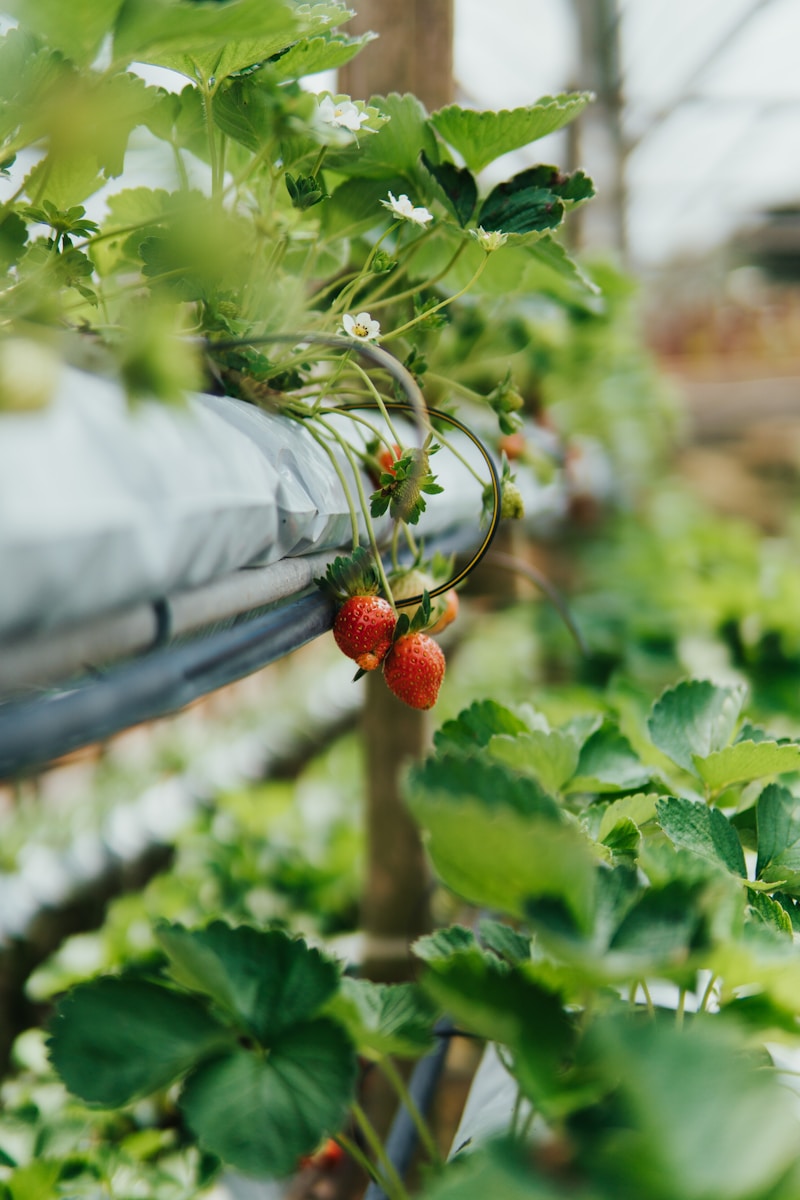
Aquaponics is a system that combines aquaculture and hydroponics to create a symbiotic relationship between fish and plants. In an aquaponics system, fish waste provides nutrients for the plants, and the plants filter the water for the fish. This closed-loop system is highly efficient and sustainable, making it an ideal method for growing food in a small space.
Benefits of Aquaponics
There are many benefits to using aquaponics for food production. Some of the key advantages include:
- Reduced water usage: Aquaponics uses up to 90% less water than traditional farming methods.
- Increased efficiency: The symbiotic relationship between fish and plants creates a highly efficient system for nutrient cycling.
- Sustainable food production: Aquaponics is a sustainable method of food production that helps to conserve natural resources.
- Space-saving: Aquaponics can be done in a small space, making it ideal for urban environments.
Building a Thriving Aquaponics System
Building a thriving aquaponics system requires careful planning and attention to detail. Here are some steps to help you get started:
Step 1: Choose the Right Location
When choosing a location for your aquaponics system, consider factors such as sunlight, access to water, and temperature. Ideally, you want a location that receives plenty of sunlight and is easily accessible for maintenance.
Step 2: Set Up Your Fish Tank
The fish tank is a key component of your aquaponics system. Choose a tank that is large enough to support the number of fish you plan to raise. Make sure the tank is properly filtered and aerated to provide a healthy environment for the fish.
Step 3: Install Your Grow Beds
The grow beds are where your plants will grow. Choose a growing medium such as gravel or clay pebbles and make sure the beds are properly irrigated to provide nutrients to the plants. Consider adding a bell siphon to regulate the water flow in the beds.
Step 4: Introduce Fish and Plants
Once your system is set up, introduce your fish and plants. Start with a small number of fish to allow the system to stabilize, and gradually add more fish as the system matures. Choose plants that are well-suited to aquaponics, such as lettuce, herbs, and tomatoes.
Maintaining Your Aquaponics System
Once your aquaponics system is up and running, it’s important to maintain it properly to ensure the health of your fish and plants. Here are some tips for maintaining your system:
Monitor Water Quality
Regularly test the water quality in your system to ensure that the pH and nutrient levels are within the optimal range for your fish and plants. Make adjustments as needed to maintain a healthy environment.
Feed Your Fish
Feed your fish a balanced diet to ensure their health and growth. Monitor their feeding habits and adjust the amount of food accordingly. Overfeeding can lead to water quality issues, so be mindful of how much you are feeding your fish.
Prune Your Plants
Regularly prune your plants to remove dead or diseased leaves and encourage new growth. This will help to keep your plants healthy and productive.
Check for Pests
Keep an eye out for pests that may be damaging your plants. If you see signs of pest infestation, take action to remove the pests and prevent further damage.
Harvesting Success
By following these steps and maintaining your aquaponics system properly, you can build a thriving system for sustainable food production. Aquaponics is a highly efficient and sustainable method of food production that can help to feed a growing population while conserving natural resources. With careful planning and attention to detail, you can harvest success with your aquaponics system.
Start building your thriving aquaponics system today and enjoy the benefits of sustainable food production in your own backyard.
Conclusion
Aquaponics is a sustainable method of food production that combines aquaculture and hydroponics to create a closed-loop system for growing fish and plants. By following the steps outlined in this article and maintaining your system properly, you can build a thriving aquaponics system for sustainable food production. Start your aquaponics journey today and enjoy the benefits of fresh, healthy food grown in your own backyard.