Unleashing the Power of Tomorrow: Future-Proof Green Energy Technologies
As the world continues to grapple with the effects of climate change and the need for sustainable energy sources becomes more urgent, green energy technologies have emerged as a crucial solution for a cleaner, greener future. From solar power to wind turbines, the advancements in green energy technologies are paving the way for a more sustainable and environmentally friendly world.
The Rise of Green Energy
In recent years, there has been a significant shift towards green energy technologies as governments, businesses, and individuals recognize the importance of reducing carbon emissions and mitigating the impacts of climate change. Solar power, wind energy, hydropower, and geothermal energy are just a few examples of green energy sources that are becoming increasingly popular and accessible.
Solar Power
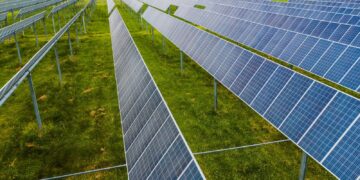
Solar power is one of the most widely used green energy technologies, harnessing the power of the sun to generate electricity. Solar panels are installed on rooftops, in fields, and even on floating platforms in bodies of water to capture sunlight and convert it into usable energy. Advances in solar panel technology have made them more efficient and affordable, making solar power a viable alternative to traditional fossil fuels.
Wind Energy
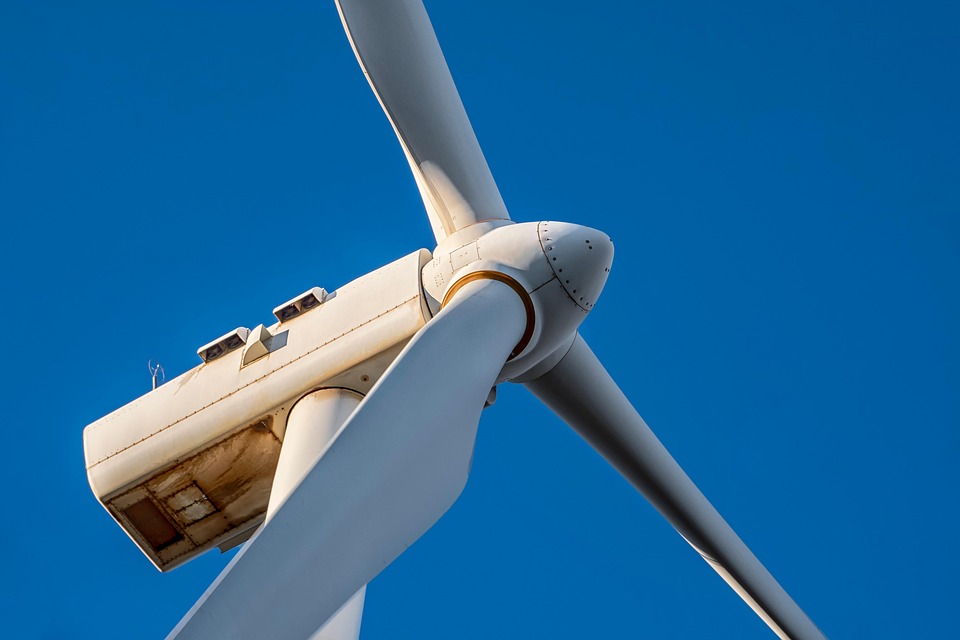
Wind energy is another popular green energy technology that utilizes the power of the wind to generate electricity. Wind turbines are strategically placed in windy areas to capture the kinetic energy of the wind and convert it into electrical power. As wind turbine technology continues to improve, wind energy has become a cost-effective and sustainable energy source for many regions around the world.
Hydropower
Hydropower, or hydroelectric power, is generated by harnessing the energy of flowing water to produce electricity. Dams and reservoirs are built to capture the energy of rivers and streams, which is then converted into electrical power through turbines. Hydropower is a reliable and renewable energy source that provides a significant portion of the world’s electricity.
Geothermal Energy
Geothermal energy taps into the heat beneath the Earth’s surface to generate electricity and heat buildings. Geothermal power plants use steam or hot water from underground reservoirs to drive turbines and produce electricity. Geothermal energy is a clean and sustainable energy source that has the potential to play a significant role in reducing greenhouse gas emissions.
Benefits of Green Energy Technologies
There are numerous benefits to embracing green energy technologies, both for the environment and for society as a whole. Some of the key advantages of green energy include:
Reduced Carbon Emissions
Green energy technologies produce significantly lower levels of carbon emissions compared to traditional fossil fuels. By transitioning to renewable energy sources, we can reduce our carbon footprint and combat climate change.
Energy Independence
Green energy technologies provide a more sustainable and reliable source of energy, reducing our dependence on imported fossil fuels. This can enhance energy security and stability for countries around the world.
Cleaner Air and Water
By reducing the use of fossil fuels, green energy technologies help improve air quality and reduce water pollution. This can have significant health benefits for communities living near power plants and industrial facilities.
Job Creation and Economic Growth
The transition to green energy technologies creates new opportunities for job growth and economic development. From manufacturing and installation to maintenance and research, the green energy sector offers a wide range of employment opportunities.
The Future of Green Energy
As technology continues to evolve and improve, the future of green energy looks brighter than ever. Advancements in energy storage, grid integration, and smart technologies are transforming the way we generate, distribute, and consume energy. Some of the key trends shaping the future of green energy technologies include:
Energy Storage
Energy storage technologies, such as batteries and pumped hydro storage, are essential for balancing the intermittent nature of renewable energy sources like solar and wind. As energy storage becomes more efficient and cost-effective, it will play a crucial role in enabling the widespread adoption of green energy technologies.
Grid Integration
Smart grids and advanced grid technologies are improving the integration of renewable energy sources into existing power systems. By optimizing the flow of electricity and managing demand more effectively, grid integration technologies are making green energy more reliable and accessible.
Smart Technologies
From smart meters and home energy management systems to electric vehicles and decentralized energy systems, smart technologies are revolutionizing the way we use and interact with energy. By empowering consumers to monitor and control their energy usage, smart technologies are driving efficiency and sustainability in the green energy sector.
Conclusion
Green energy technologies are a powerful force for positive change in the fight against climate change and the transition to a more sustainable future. By embracing renewable energy sources like solar power, wind energy, hydropower, and geothermal energy, we can reduce our carbon footprint, enhance energy security, and create a cleaner, greener world for future generations. The future of green energy is bright, and by investing in innovative technologies and sustainable practices, we can unleash the power of tomorrow and build a more resilient and prosperous world for all.
Whether you are a homeowner looking to install solar panels, a business owner interested in wind energy, or a policymaker seeking to promote green energy policies, there are countless opportunities to support and benefit from the growth of green energy technologies. Together, we can harness the power of tomorrow and create a brighter, more sustainable future for all.