Efficient Living: Harnessing the Power of Smart Energy Management for Eco-Friendly Homes
As the world becomes more conscious of the impact of human activities on the environment, the importance of efficient living has become increasingly apparent. One of the key aspects of efficient living is smart energy management, which involves using technology to monitor and control energy usage in homes. In this article, we will explore the benefits of smart energy management for eco-friendly homes and provide tips on how to implement it effectively.
The Benefits of Smart Energy Management
Smart energy management offers a wide range of benefits for homeowners looking to reduce their carbon footprint and lower their energy bills. Some of the key benefits include:
- Reduced Energy Consumption: By monitoring and controlling energy usage in real-time, smart energy management systems can help homeowners identify areas where energy is being wasted and make adjustments to reduce consumption.
- Lower Energy Bills: By optimizing energy usage, homeowners can lower their monthly energy bills and save money in the long run.
- Increased Comfort: Smart energy management systems can help regulate temperature, lighting, and other factors to create a more comfortable living environment.
- Remote Monitoring and Control: Many smart energy management systems allow homeowners to monitor and control their energy usage from anywhere using a smartphone or computer.
- Environmental Benefits: By reducing energy consumption, smart energy management systems help reduce greenhouse gas emissions and contribute to a healthier planet.
Implementing Smart Energy Management in Your Home
Implementing smart energy management in your home is easier than you might think. Here are some tips to help you get started:
1. Invest in Energy-Efficient Appliances
One of the easiest ways to reduce energy consumption in your home is to invest in energy-efficient appliances. Look for appliances with the ENERGY STAR label, which indicates that they meet strict energy efficiency guidelines set by the U.S. Environmental Protection Agency.
2. Install a Smart Thermostat
A smart thermostat is a great way to control your home’s heating and cooling systems more efficiently. These devices can be programmed to adjust the temperature based on your schedule and preferences, saving energy when you’re not at home.
3. Use Smart Lighting
Smart lighting systems allow you to control your home’s lighting remotely and schedule it to turn on and off at specific times. This can help you save energy by ensuring that lights are only on when needed.
4. Monitor Your Energy Usage
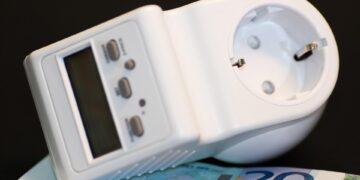
Invest in a smart energy monitor to track your home’s energy usage in real-time. This can help you identify areas where energy is being wasted and make changes to reduce consumption.
5. Consider Solar Panels
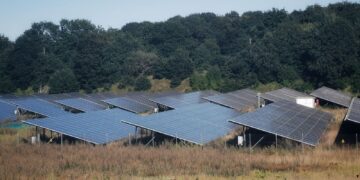
Solar panels are a great way to generate clean, renewable energy for your home. While they require an upfront investment, they can help you reduce your reliance on fossil fuels and lower your energy bills in the long run.
Common Questions About Smart Energy Management
Here are some common questions homeowners have about smart energy management:
1. How much money can I save with smart energy management?
The amount of money you can save with smart energy management depends on a variety of factors, including your current energy usage, the cost of energy in your area, and the efficiency of your home. On average, homeowners can save between 10-30% on their energy bills by implementing smart energy management strategies.
2. Are smart energy management systems difficult to install?
Most smart energy management systems are designed to be easy to install and use. Many devices can be set up in just a few minutes and require no special wiring or technical knowledge. If you’re unsure about installation, you can always consult with a professional for help.
3. Can renters benefit from smart energy management?
Yes, renters can also benefit from smart energy management. Many devices, such as smart thermostats and lighting systems, can be easily installed in rental properties and taken with you when you move. Just be sure to check with your landlord before making any permanent changes to the property.
Conclusion
Smart energy management is a powerful tool for homeowners looking to reduce their energy consumption, lower their bills, and live a more eco-friendly lifestyle. By investing in energy-efficient appliances, installing smart devices, monitoring your energy usage, and considering renewable energy sources, you can make a positive impact on the environment while enjoying the benefits of a more comfortable and cost-effective home.
Remember, every small change you make in your home can add up to a big difference in the long run. So why not start harnessing the power of smart energy management today?