In recent years, the global energy landscape has been undergoing a significant transformation as the demand for sustainable and renewable sources of power continues to grow. With the increasing awareness of the environmental impact of traditional fossil fuels, there has been a surge in innovation and investment in green energy solutions. This article will explore the latest trends in renewable power and how they are revolutionizing the way we generate and consume energy.
The Rise of Renewable Energy
Renewable energy sources such as solar, wind, hydro, and geothermal power have been gaining momentum as viable alternatives to traditional fossil fuels. These sources are abundant, clean, and sustainable, making them ideal for reducing greenhouse gas emissions and combating climate change. In recent years, the cost of renewable energy technologies has also fallen significantly, making them more competitive with fossil fuels.
Solar Power
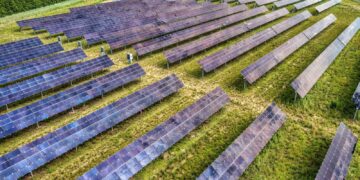
Solar power has experienced a rapid expansion in recent years, thanks to advancements in solar panel technology and falling costs. Solar panels are now more efficient and affordable than ever, making them a popular choice for both residential and commercial applications. In addition, solar energy can be harnessed anywhere there is sunlight, making it a versatile and scalable solution for meeting energy needs.
Wind Power
Wind power is another rapidly growing source of renewable energy, with wind turbines becoming more efficient and cost-effective. Wind farms can be installed on land or offshore, providing a clean and sustainable source of electricity. Wind power is also highly scalable, with larger turbines being developed to generate more power and meet the increasing demand for renewable energy.
Hydro Power
Hydropower has long been a reliable source of renewable energy, with dams and hydroelectric plants harnessing the power of flowing water to generate electricity. While large-scale hydroelectric projects have been controversial due to their environmental impact, there is growing interest in small-scale hydro projects that have less of an impact on ecosystems.
Geothermal Power
Geothermal power taps into the heat stored beneath the Earth’s surface to generate electricity. This renewable energy source is reliable and consistent, providing a stable source of power. Geothermal power plants can be built in areas with high geothermal activity, such as geysers and hot springs, making it a valuable resource for regions with geothermal potential.
Green Innovation Trends
In addition to the rapid growth of renewable energy sources, there are several key trends in green innovation that are revolutionizing the energy sector.
Energy Storage
One of the biggest challenges facing renewable energy is the intermittency of sources such as solar and wind power. Energy storage technologies such as batteries are essential for storing excess energy generated during peak times and releasing it when needed. Advancements in battery technology are making energy storage more efficient and cost-effective, enabling a smoother integration of renewable energy into the grid.
Smart Grids
Smart grids are revolutionizing the way we manage and distribute electricity. These advanced energy systems use digital technology to monitor and control the flow of electricity in real-time, optimizing energy efficiency and reliability. Smart grids also enable the integration of renewable energy sources and facilitate two-way communication between utilities and consumers.
Electric Vehicles
The transportation sector is a major contributor to greenhouse gas emissions, making the shift to electric vehicles crucial for reducing carbon emissions. Electric vehicles are becoming increasingly popular as advancements in battery technology make them more affordable and practical. Charging infrastructure is also expanding, making it easier for consumers to make the switch to electric vehicles.
Blockchain Technology
Blockchain technology is being explored as a way to revolutionize the energy sector by enabling secure and transparent transactions between energy producers and consumers. Blockchain platforms can facilitate peer-to-peer energy trading, allowing consumers to buy and sell excess energy generated from renewable sources. This decentralized approach to energy trading has the potential to disrupt traditional utility models and empower consumers to take control of their energy consumption.
Addressing Common Questions
As the transition to renewable energy accelerates, there are several common questions that arise regarding the viability and scalability of green energy solutions.
Is Renewable Energy Reliable?
One of the main concerns about renewable energy is its reliability, especially when compared to traditional fossil fuels. While renewable energy sources such as solar and wind power are intermittent, advancements in energy storage and grid management are making them more reliable and consistent. In fact, many countries are already meeting a significant portion of their energy needs with renewable sources.
Are Renewable Energy Technologies Expensive?
The cost of renewable energy technologies has fallen significantly in recent years, making them more competitive with fossil fuels. Solar and wind power, in particular, are now cost-competitive with traditional sources of electricity in many regions. As technology continues to improve and economies of scale are realized, the cost of renewable energy is expected to continue to decline.
Can Renewable Energy Meet Our Energy Needs?
Renewable energy sources have the potential to meet a significant portion of our energy needs, especially as advancements in technology and infrastructure enable their widespread adoption. With a combination of solar, wind, hydro, and geothermal power, as well as energy storage and smart grid technologies, it is possible to transition to a sustainable energy system that meets our growing demand for electricity.
Conclusion
The revolutionization of the energy sector through green innovation and renewable power is essential for combating climate change and building a sustainable future. With the rise of solar, wind, hydro, and geothermal power, as well as advancements in energy storage, smart grids, electric vehicles, and blockchain technology, we are witnessing a transformation in how we generate, distribute, and consume energy. By addressing common questions and providing valuable insights into the latest trends in renewable energy, this article aims to inform and inspire readers to embrace the transition to a cleaner and greener energy future.