Embrace Sustainability: Harness the Power of Solar for Year-Round Comfort with Heating and Cooling Systems
In an era where climate change is a pressing issue, it is crucial for individuals and businesses to embrace sustainability. One way to do so is by harnessing the power of solar energy for heating and cooling systems. Solar energy is abundant, renewable, and clean, making it an ideal choice for those looking to reduce their carbon footprint and lower their energy bills. By integrating solar heating and cooling systems into your home or business, you can enjoy year-round comfort while also contributing to a more sustainable future.
The Benefits of Solar Heating and Cooling Systems
There are numerous benefits to using solar energy for heating and cooling. One of the most significant advantages is cost savings. Solar energy is free and abundant, which means that once you have installed a solar heating and cooling system, you can enjoy reduced energy bills for years to come. Additionally, solar energy is clean and renewable, making it a more environmentally friendly choice compared to traditional fossil fuels.
Another benefit of solar heating and cooling systems is their reliability. Unlike traditional heating and cooling systems that rely on finite resources like oil and gas, solar energy is abundant and inexhaustible. This means that you can enjoy consistent heating and cooling throughout the year without worrying about running out of fuel.
How Solar Heating Systems Work
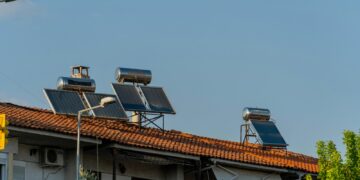
Solar heating systems use solar collectors to capture the sun’s energy and convert it into heat. This heat is then transferred to a fluid, such as water or air, which is used to heat your home or business. There are two main types of solar heating systems: passive and active.
Passive solar heating systems rely on the natural movement of heat to warm a space. This can be achieved through strategically placed windows, thermal mass, and insulation. Active solar heating systems, on the other hand, use pumps or fans to circulate the heated fluid throughout your home or business.
How Solar Cooling Systems Work
Solar cooling systems work in a similar way to solar heating systems, but instead of using the sun’s energy to heat a fluid, they use it to cool a space. Solar cooling systems typically use a process called absorption cooling, which involves using solar energy to drive a chemical reaction that produces cool air.
There are also hybrid solar cooling systems that combine solar energy with traditional cooling methods, such as air conditioning units. These systems can be more efficient and cost-effective than standalone solar cooling systems, especially in areas with high cooling demands.
Common Questions About Solar Heating and Cooling Systems
1. Are solar heating and cooling systems suitable for all climates?
Solar heating and cooling systems can be used in most climates, but their efficiency may vary depending on factors such as sunlight availability and temperature fluctuations. In colder climates, solar heating systems may require additional insulation or backup heating sources to maintain comfort during the winter months. Similarly, in hotter climates, solar cooling systems may need to be supplemented with traditional cooling methods during peak summer months.
2. How much does it cost to install a solar heating and cooling system?
The cost of installing a solar heating and cooling system can vary depending on factors such as the size of your home or business, the type of system you choose, and local incentives or rebates. On average, the cost of a solar heating and cooling system can range from $10,000 to $30,000, but the long-term savings on energy bills can offset this initial investment.
3. How long does it take to recoup the cost of a solar heating and cooling system?
The payback period for a solar heating and cooling system can vary depending on factors such as energy usage, local utility rates, and the cost of the system. On average, most solar heating and cooling systems have a payback period of 5 to 10 years, after which you can enjoy significant savings on your energy bills.
Conclusion
Solar heating and cooling systems offer a sustainable and cost-effective solution for year-round comfort. By harnessing the power of solar energy, you can reduce your carbon footprint, lower your energy bills, and contribute to a more sustainable future. Whether you are looking to heat your home in the winter or cool it in the summer, solar heating and cooling systems provide a reliable and efficient solution. Embrace sustainability today and harness the power of solar for year-round comfort.
With the benefits of cost savings, reliability, and environmental friendliness, solar heating and cooling systems are a smart investment for those looking to reduce their impact on the planet and enjoy a more comfortable living or working environment. Take the first step towards sustainability by exploring the possibilities of solar energy for your heating and cooling needs.