Living Large in Small Spaces: The Art of Sustainable Tiny Home Designs for Minimalist Living
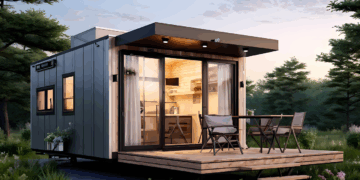
In a world where more and more people are becoming conscious of their environmental impact, sustainable living has become a popular lifestyle choice. One of the ways in which individuals are embracing sustainability is through tiny home living. Tiny homes are compact, often mobile, dwellings that are designed to maximize space efficiency while minimizing environmental impact. In this article, we will explore the art of sustainable tiny home designs for minimalist living, highlighting the benefits, common questions, and tips for creating a beautiful and functional tiny home.
Benefits of Tiny Home Living
There are numerous benefits to living in a tiny home, both for the individual and for the environment. Some of the key advantages of tiny home living include:
1. Reduced Environmental Impact: Tiny homes require less energy to heat and cool, resulting in lower carbon emissions and reduced utility bills. Furthermore, many tiny homes are built using sustainable materials and feature energy-efficient appliances, further reducing their environmental impact.
2. Financial Freedom: Tiny homes are much more affordable than traditional homes, allowing individuals to live mortgage-free or with significantly lower monthly payments. This financial freedom can provide individuals with more flexibility and the ability to pursue their passions and interests.
3. Simplified Living: Living in a tiny home forces individuals to declutter and simplify their lives, leading to a more minimalist lifestyle. This can lead to reduced stress, increased mindfulness, and a greater appreciation for the things that truly matter.
4. Mobility: Many tiny homes are built on trailers, allowing individuals to easily move their home to a new location. This flexibility can be appealing to individuals who enjoy traveling or who want the ability to change their living situation without the hassle of selling a traditional home.
Common Questions About Tiny Home Living
As interest in tiny home living continues to grow, there are several common questions that individuals may have about this lifestyle. Some of the most frequently asked questions about tiny home living include:
1. How much does it cost to build a tiny home?
The cost of building a tiny home can vary significantly depending on factors such as size, materials, and location. On average, it can cost anywhere from $20,000 to $100,000 to build a tiny home. However, it is possible to build a tiny home for even less by using salvaged materials or opting for a DIY approach.
2. Where can I park a tiny home?
One of the challenges of tiny home living is finding a place to park your home. Some individuals choose to purchase land or rent a space in a tiny home community, while others opt to park their tiny home on a friend or family member’s property. It is important to research local zoning laws and regulations before parking your tiny home to ensure that it is legal.
3. Are tiny homes comfortable to live in?
Despite their small size, tiny homes can be surprisingly comfortable to live in. With thoughtful design and efficient use of space, many tiny homes are equipped with all the amenities and comforts of a traditional home. However, it is important to consider your own needs and preferences when designing a tiny home to ensure that it meets your lifestyle requirements.
Tips for Creating a Beautiful and Functional Tiny Home
Creating a beautiful and functional tiny home requires careful planning and attention to detail. Here are some tips for designing a sustainable tiny home that is both aesthetically pleasing and practical:
1. Prioritize Functionality: In a tiny home, every square inch counts. When designing your tiny home, focus on maximizing storage space, optimizing layout efficiency, and incorporating multi-functional furniture. Consider customizing your design to suit your specific needs and lifestyle.
2. Embrace Natural Light: Natural light can make a small space feel larger and more inviting. To maximize natural light in your tiny home, consider installing large windows, skylights, and glass doors. Additionally, use light-colored finishes and reflective surfaces to brighten up your space.
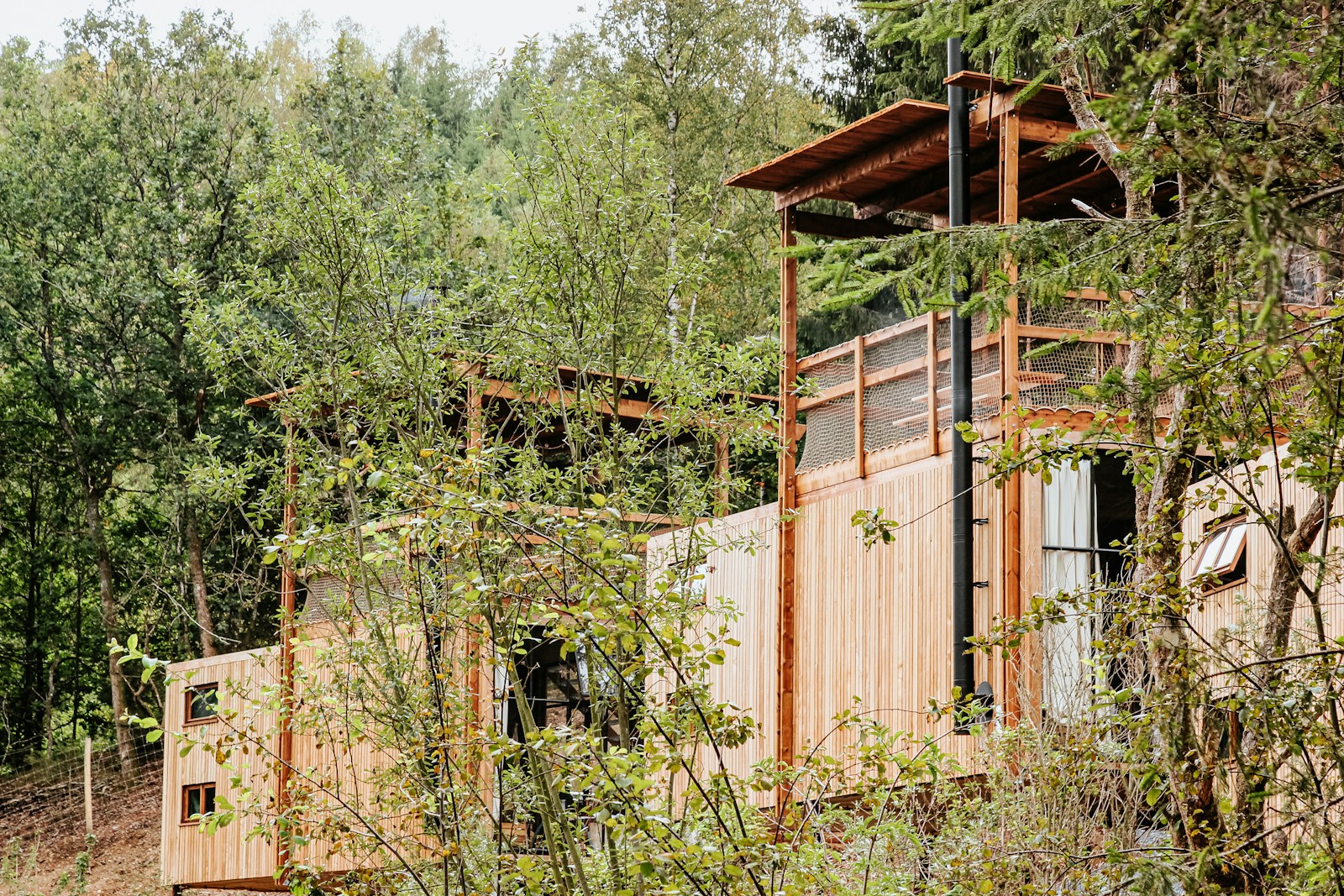
3. Choose Sustainable Materials: When building or renovating a tiny home, opt for eco-friendly and sustainable materials. Look for materials that are non-toxic, renewable, and energy-efficient. Consider using reclaimed wood, bamboo flooring, and recycled glass countertops to minimize your environmental impact.
4. Incorporate Green Technologies: To further enhance the sustainability of your tiny home, consider incorporating green technologies such as solar panels, rainwater harvesting systems, and composting toilets. These features can help reduce your carbon footprint and lower your utility costs.
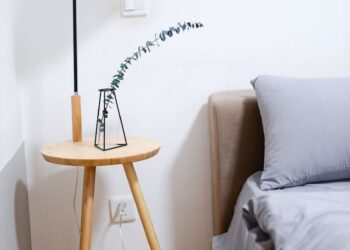
5. Personalize Your Space: Although space is limited in a tiny home, it is important to make your space feel like home. Add personal touches such as artwork, plants, and textiles to create a cozy and inviting atmosphere. Consider incorporating elements of nature, such as wood accents and indoor plants, to bring a sense of tranquility to your space.
Conclusion
Living large in small spaces is not only possible but can also be incredibly rewarding. By embracing sustainable tiny home designs for minimalist living, individuals can reduce their environmental impact, simplify their lives, and achieve financial freedom. With careful planning and thoughtful design, it is possible to create a beautiful and functional tiny home that meets your needs and reflects your personal style. Whether you are looking to downsize, reduce your carbon footprint, or simply simplify your life, tiny home living offers a unique and sustainable lifestyle choice.