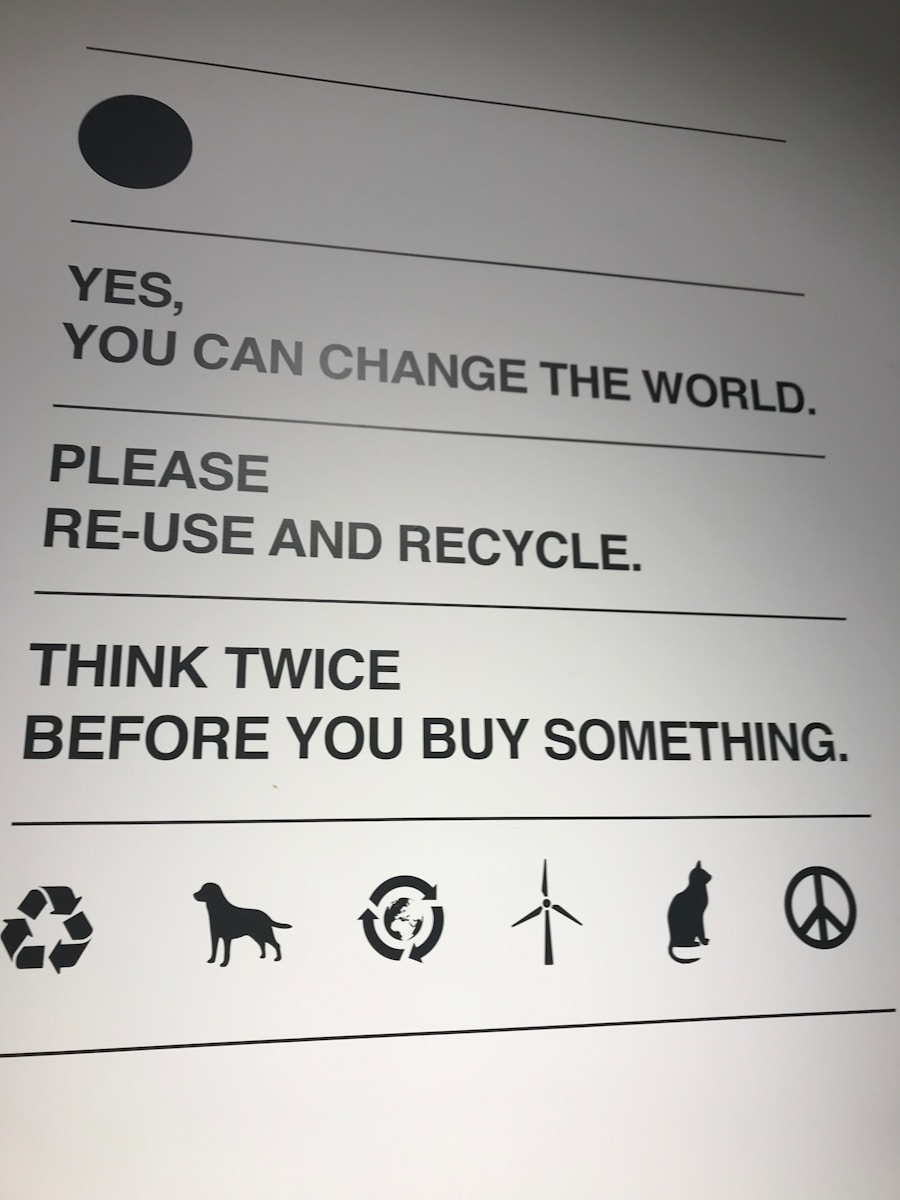
In today’s fast-paced world filled with consumerism and excess, the concept of zero waste living has gained traction as a sustainable and eco-friendly lifestyle choice. Zero Waste Zen is a movement that promotes minimalist living for a greener future, focusing on reducing waste, reusing materials, and recycling items to minimize our impact on the environment. By embracing the principles of Zero Waste Zen, individuals can not only reduce their carbon footprint but also simplify their lives and find more fulfillment in the process.
What is Zero Waste Zen?
Zero Waste Zen is a lifestyle philosophy that emphasizes simplicity, mindfulness, and sustainability. It is about making conscious choices to reduce waste in all aspects of life, from the products we use to the way we consume and dispose of goods. By adopting a zero waste mindset, individuals aim to eliminate or significantly reduce the amount of trash they generate, leading to a more sustainable and environmentally friendly lifestyle.
The Principles of Zero Waste Zen
The principles of Zero Waste Zen revolve around the 5 R’s:
1. Refuse: Say no to things you don’t need or want, such as single-use plastics, unnecessary packaging, or promotional items.
2. Reduce: Minimize your consumption by buying only what you need and avoiding excessive purchases.
3. Reuse: Opt for reusable items over disposable ones, such as cloth shopping bags, stainless steel water bottles, and glass food containers.
4. Recycle: Properly sort and recycle materials that can be repurposed or transformed into new products.
5. Rot: Compost organic waste to create nutrient-rich soil for gardening or landscaping.
By following these principles, individuals can significantly reduce their waste output and make a positive impact on the environment.
Benefits of Zero Waste Zen
Embracing Zero Waste Zen has numerous benefits, both for the individual and the planet. Some of the key advantages include:
1. Environmental impact: By reducing waste and recycling materials, individuals can help conserve natural resources, reduce pollution, and protect wildlife habitats.
2. Cost savings: Adopting a minimalist lifestyle can lead to savings on household expenses, as individuals buy fewer items and focus on quality over quantity.
3. Health benefits: By using natural, eco-friendly products and reducing exposure to harmful chemicals, individuals can improve their overall health and well-being.
4. Mindfulness and fulfillment: Zero Waste Zen encourages individuals to live intentionally, be present in the moment, and appreciate the simple pleasures in life.
Common Questions About Zero Waste Zen
1. Is Zero Waste Zen difficult to adopt?
Adopting a zero waste lifestyle may seem daunting at first, but it is a gradual process that anyone can start with small steps. By making conscious choices and being mindful of your consumption habits, you can gradually reduce waste and live more sustainably.
2. What are some easy ways to reduce waste in everyday life?
Some simple ways to reduce waste include using reusable bags and containers, buying in bulk to reduce packaging waste, composting food scraps, and avoiding single-use plastics.
3. How can I incorporate Zero Waste Zen into my daily routine?
To incorporate Zero Waste Zen into your daily routine, start by assessing your current habits and identifying areas where you can make changes. Set specific goals, such as reducing your plastic usage or composting kitchen waste, and gradually work towards them.
4. What are some common misconceptions about zero waste living?
One common misconception about zero waste living is that it requires sacrificing convenience or comfort. In reality, adopting a zero waste lifestyle can lead to greater fulfillment, creativity, and a deeper connection to the natural world.
Tips for Embracing Zero Waste Zen
Here are some practical tips for embracing Zero Waste Zen and transitioning to a more sustainable lifestyle:
1. Start small: Begin by focusing on one aspect of zero waste living, such as reducing plastic usage or composting, and gradually incorporate more practices over time.
2. Be mindful of your consumption: Before making a purchase, consider if you truly need the item and if there are more sustainable alternatives available.
3. Use reusable products: Invest in high-quality reusable items, such as stainless steel straws, beeswax wraps, and cloth napkins, to reduce waste and save money in the long run.
4. Support sustainable brands: Choose products from companies that prioritize sustainability, ethical production, and environmentally friendly practices.
5. Educate yourself: Stay informed about environmental issues, sustainable living practices, and ways to reduce waste in your community.
Conclusion
Zero Waste Zen offers a holistic approach to living more sustainably and mindfully, with a focus on reducing waste, reusing materials, and recycling resources. By embracing this lifestyle philosophy, individuals can make a positive impact on the environment, simplify their lives, and find greater fulfillment and purpose. Through conscious choices and small changes in daily habits, we can all contribute to a greener future for generations to come. Embrace Zero Waste Zen today and join the movement towards a more sustainable and eco-friendly world.