Watering Wisely: A Guide to Implementing Drip Irrigation for Sustainable Agriculture
Water is one of the most precious resources on our planet, and it is essential for sustainable agriculture. With the increasing global population and the effects of climate change, water scarcity is becoming a significant concern for farmers around the world. Implementing drip irrigation is a smart and efficient way to water crops while conserving water and promoting sustainable agriculture practices.
What is Drip Irrigation?
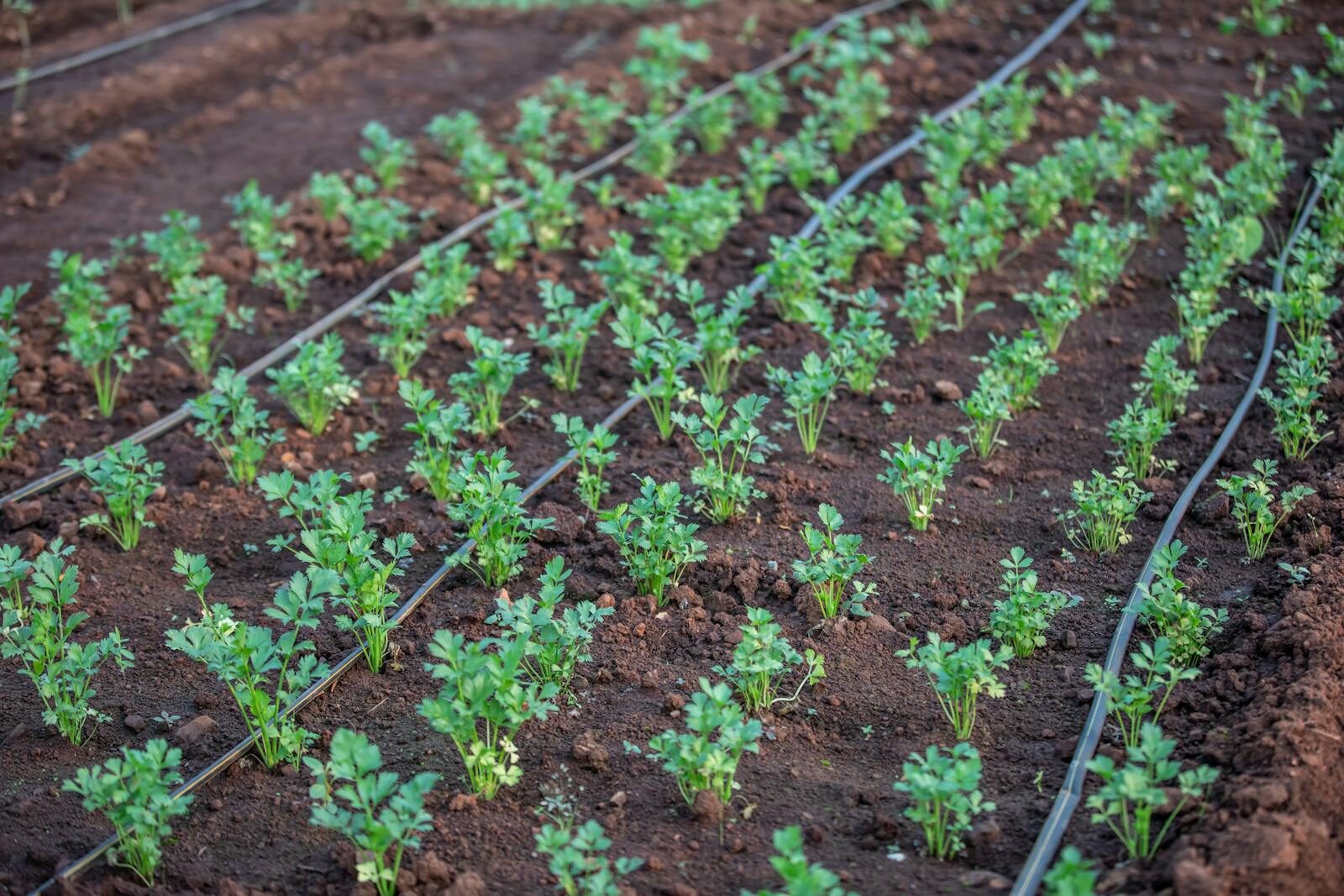
Drip irrigation is a type of micro-irrigation system that delivers water directly to the roots of plants through a network of tubes, pipes, and emitters. This method allows for precise control over the amount of water delivered to each plant, reducing water waste and ensuring that plants receive the right amount of moisture they need to thrive.
Advantages of Drip Irrigation
There are several advantages to using drip irrigation in agriculture:
- Water Efficiency: Drip irrigation can reduce water usage by up to 50% compared to traditional irrigation methods.
- Improved Plant Health: By delivering water directly to the roots, plants are less likely to suffer from diseases caused by overwatering.
- Reduced Weed Growth: Since water is only delivered to the plants, there is less moisture available for weeds to thrive.
- Energy Savings: Drip irrigation systems are typically more energy-efficient than other irrigation methods, saving farmers money on electricity costs.
Steps to Implementing Drip Irrigation
Implementing drip irrigation on your farm may seem like a daunting task, but with the right guidance, it can be a straightforward process. Here are the steps to follow:
1. Assess Your Water Needs
Before installing a drip irrigation system, you need to assess the water needs of your crops. Consider factors such as soil type, climate, and crop type to determine the amount of water required for optimal growth.
2. Design Your System
Once you have determined your water needs, it’s time to design your drip irrigation system. Consider factors such as water pressure, flow rate, and spacing of emitters to ensure that each plant receives the right amount of water.
3. Install Your System
After designing your system, it’s time to install the necessary components. Lay out the tubing, pipes, and emitters according to your design, ensuring that everything is securely in place.
4. Test Your System
Before using your drip irrigation system on your crops, test it to ensure that everything is working correctly. Check for leaks, clogs, and ensure that water is being delivered evenly to all plants.
5. Monitor and Adjust
Once your drip irrigation system is up and running, it’s essential to monitor its performance regularly. Make adjustments as needed to ensure that your plants are receiving the right amount of water and nutrients.
Common Questions About Drip Irrigation
Here are some common questions about drip irrigation:
1. Is drip irrigation suitable for all types of crops?
While drip irrigation is suitable for most crops, some crops may not thrive with this method. Consult with a professional to determine if drip irrigation is right for your specific crop.
2. How often should I water with drip irrigation?
The frequency of watering with drip irrigation depends on several factors, including soil type, climate, and crop type. Monitor your plants regularly and adjust your watering schedule as needed.
3. Can I install a drip irrigation system myself?
While it is possible to install a drip irrigation system yourself, it’s recommended to consult with a professional to ensure that your system is designed and installed correctly.
Conclusion
Implementing drip irrigation is a smart and efficient way to water crops while conserving water and promoting sustainable agriculture practices. By following the steps outlined in this guide, you can ensure that your drip irrigation system is designed and installed correctly, leading to healthier plants and higher yields. Water wisely with drip irrigation and contribute to a more sustainable future for agriculture.