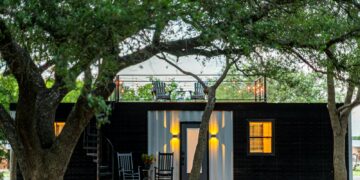
Tiny Tranquility: A Minimalist’s Guide to Simplifying Life in a Tiny House
In today’s fast-paced world, many people are seeking ways to simplify their lives and reduce their carbon footprint. One popular trend that has emerged in recent years is the tiny house movement. Tiny houses, typically ranging from 100 to 400 square feet in size, offer a minimalist lifestyle with a focus on simplicity and sustainability.
Tiny Tranquility is a comprehensive guide for those looking to embrace the tiny house lifestyle. From design tips to organization strategies, this book covers everything you need to know to create a peaceful and clutter-free living space. In this article, we will delve into the key principles of tiny house living and explore how it can help you simplify your life.
I. What is Tiny House Living?
Tiny house living is about more than just downsizing your living space. It’s a philosophy that emphasizes quality over quantity, experiences over possessions, and sustainability over excess. By living in a tiny house, you can reduce your environmental impact, lower your cost of living, and free up more time and resources to pursue the things that truly matter to you.
II. The Benefits of Tiny House Living
There are numerous benefits to living in a tiny house. Some of the most notable include:
1. Simplified Living: With limited space, you are forced to declutter and prioritize only the essentials. This can lead to a more organized and stress-free living environment.
2. Financial Freedom: Tiny houses are much more affordable than traditional homes, both in terms of upfront costs and ongoing expenses. This can free up your budget for other priorities, such as travel or hobbies.
3. Minimal Environmental Impact: Tiny houses require fewer resources to build and maintain, making them a more sustainable housing option. Additionally, many tiny house owners choose to live off-grid, further reducing their environmental footprint.
4. Mobility: Tiny houses are often built on trailers, allowing you to take your home with you wherever you go. This flexibility can be especially appealing to those who enjoy travel or value the freedom to change locations easily.
III. Designing Your Tiny House
When designing a tiny house, every square inch counts. It’s important to prioritize functionality and efficiency in order to make the most of your limited space. Some key design considerations to keep in mind include:
1. Multi-Purpose Furniture: Look for furniture that serves multiple functions, such as a bed that doubles as a sofa or a dining table that can be folded away when not in use. This will help you maximize space and minimize clutter.
2. Vertical Storage: Utilize vertical space by installing shelves, cabinets, and hooks on walls to keep belongings off the floor and out of the way. This will help create a sense of openness and prevent the space from feeling cramped.
3. Natural Light: Maximize natural light in your tiny house to create a bright and airy atmosphere. Consider installing large windows, skylights, or glass doors to bring the outdoors in and make the space feel more spacious.
IV. Organizing Your Tiny House
In a tiny house, organization is key to maintaining a clutter-free living space. Here are some tips for keeping your tiny house neat and tidy:
1. Declutter Regularly: With limited storage space, it’s important to regularly assess your belongings and purge items that you no longer need or use. Be ruthless in your decluttering efforts to prevent the space from becoming overcrowded.
2. Use Storage Solutions: Invest in storage solutions that maximize space, such as under-bed storage bins, hanging organizers, and collapsible containers. These will help you make the most of every inch of your tiny house.
3. Establish Routines: Develop daily and weekly cleaning routines to stay on top of clutter and maintain a tidy living environment. By incorporating cleaning tasks into your regular schedule, you can prevent messes from accumulating.
V. Living Off-Grid
Many tiny house owners choose to live off-grid, meaning they are self-sufficient and do not rely on traditional utilities such as electricity and water. Living off-grid can be a rewarding experience, but it requires careful planning and preparation. Some key considerations for off-grid living include:
1. Solar Power: Install solar panels on your tiny house to generate electricity from the sun. This will allow you to power your appliances and electronics without relying on the grid.
2. Water Collection: Set up a system for collecting rainwater or drilling a well to supply your tiny house with water. Consider installing a filtration system to ensure the water is safe for drinking and cooking.
3. Composting Toilet: Use a composting toilet to manage waste in an environmentally friendly way. Composting toilets break down human waste into compost, which can then be safely disposed of or used as fertilizer.
VI. Conclusion
Tiny Tranquility: A Minimalist’s Guide to Simplifying Life in a Tiny House offers valuable insights and practical tips for those looking to embrace the tiny house lifestyle. By prioritizing simplicity, sustainability, and mindfulness, you can create a peaceful and clutter-free living space that enhances your overall well-being.
Whether you’re interested in downsizing, reducing your environmental footprint, or simplifying your life, tiny house living offers a unique opportunity to live more intentionally and authentically. By following the principles outlined in this guide, you can create a tiny house that reflects your values and priorities, allowing you to live a more fulfilling and harmonious life.