Tiny Revolution: Sustainable Living in Minimalist Home Designs
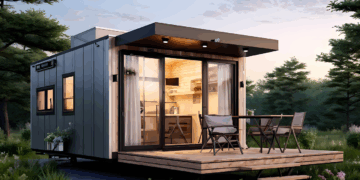
In recent years, there has been a growing trend towards sustainable living and minimalist home designs. People are opting for smaller, more efficient living spaces that are not only eco-friendly but also promote a clutter-free lifestyle. This shift towards tiny homes is not just a passing fad, but a conscious choice to reduce our carbon footprint and live more simply.
The Rise of Tiny Homes
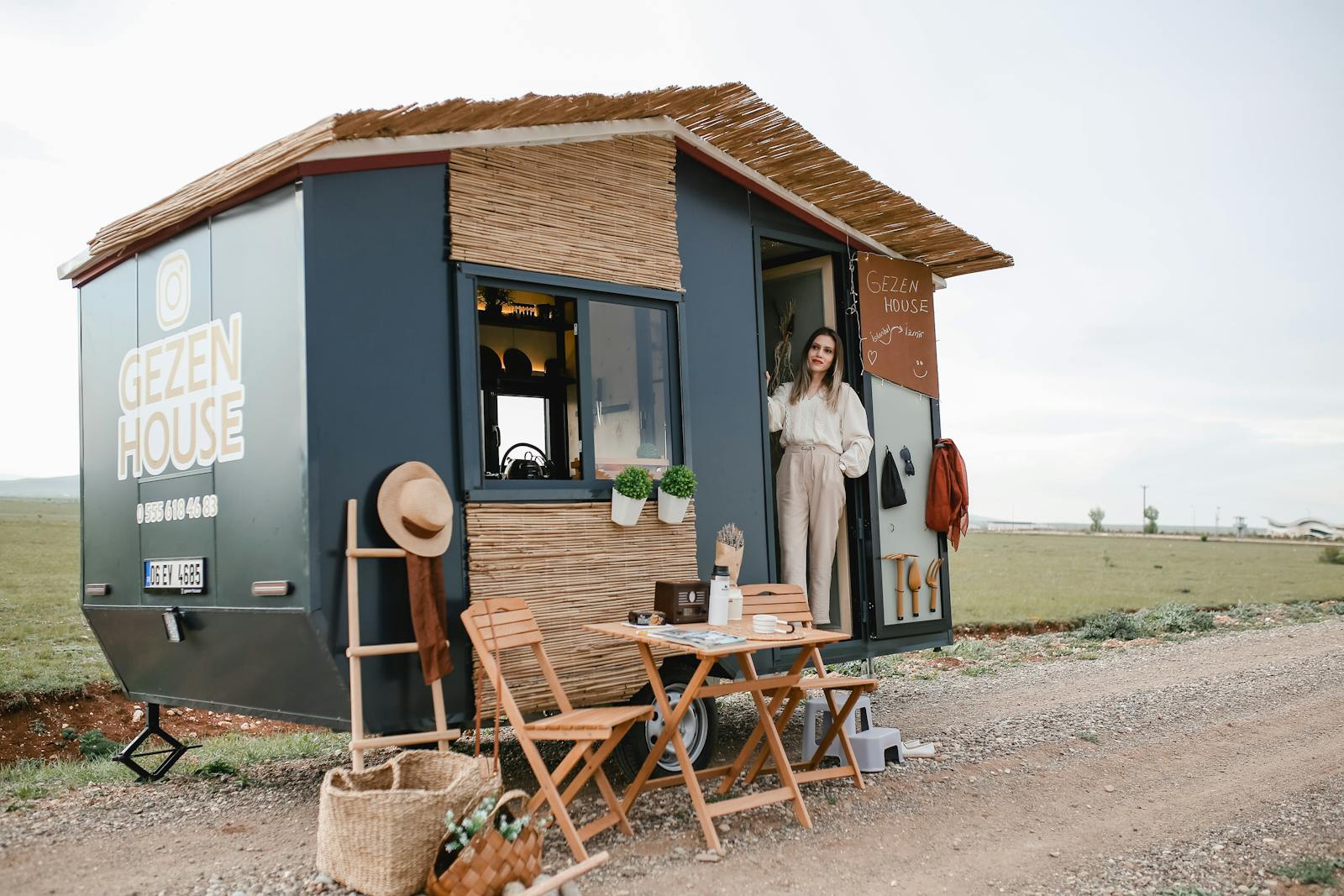
The concept of tiny homes has been around for decades, but it has gained popularity in recent years thanks to TV shows like “Tiny House Nation” and “Tiny House Hunters.” These shows have showcased the benefits of living in a small space, from lower costs to reduced environmental impact. As a result, more and more people are choosing to downsize and embrace the tiny house movement.
Benefits of Tiny Homes
There are many benefits to living in a tiny home, both for the individual and the environment. Tiny homes are typically more affordable than traditional houses, making them an attractive option for those looking to reduce their expenses and live more simply. In addition, tiny homes require less energy to heat and cool, which can lead to significant savings on utility bills. Furthermore, living in a smaller space encourages people to declutter and prioritize what is truly important to them, leading to a more minimalist and intentional lifestyle.
Sustainable Living in Tiny Homes
One of the key principles of tiny home living is sustainability. Many tiny homes are built using eco-friendly materials and incorporate renewable energy sources such as solar panels. Additionally, because tiny homes are smaller in size, they require fewer resources to build and maintain, reducing their overall environmental impact. This focus on sustainability is not only good for the planet but also for the homeowner’s wallet, as it can lead to lower utility bills and long-term cost savings.
Minimalist Home Designs
Minimalist home designs go hand in hand with tiny homes, as both prioritize simplicity and functionality. Minimalist homes are characterized by clean lines, open spaces, and a lack of clutter. By embracing a minimalist design aesthetic, homeowners can create a space that is both visually appealing and highly functional. Minimalist home designs also promote a sense of calm and tranquility, making them ideal for those looking to escape the chaos of modern life.
Common Questions About Tiny Homes
As the popularity of tiny homes continues to grow, many people have questions about what it’s like to live in such a small space. Here are some common questions and answers about tiny homes:
1. How much does a tiny home cost?
The cost of a tiny home can vary widely depending on factors such as size, location, and materials used. On average, a tiny home can cost anywhere from $20,000 to $100,000. However, it is possible to build a tiny home for even less if you are willing to do some of the work yourself and use recycled or reclaimed materials.
2. Is it legal to live in a tiny home?
The legality of living in a tiny home varies depending on the location. In some areas, tiny homes are considered illegal dwellings and are subject to zoning regulations. However, there are many places where tiny homes are allowed, either as permanent residences or as temporary structures. It is important to research the local laws and regulations before deciding to live in a tiny home.
3. What are the challenges of living in a tiny home?
Living in a tiny home comes with its own set of challenges, including limited storage space, lack of privacy, and potential zoning issues. However, many people find that the benefits of tiny home living far outweigh the challenges. By decluttering and simplifying their lives, they are able to focus on what truly matters to them and live more intentionally.
Conclusion
As the world continues to grapple with issues such as climate change and overconsumption, the tiny home movement offers a sustainable and minimalist alternative to traditional housing. By embracing tiny homes and minimalist home designs, individuals can reduce their environmental impact, save money, and live more intentionally. Whether you are looking to downsize, simplify your life, or reduce your carbon footprint, tiny homes offer a practical and eco-friendly solution for sustainable living.
Are you ready to join the tiny revolution?