The Ultimate Guide to Building a Sustainable Greenhouse: Tips and Techniques for Eco-Friendly Growing
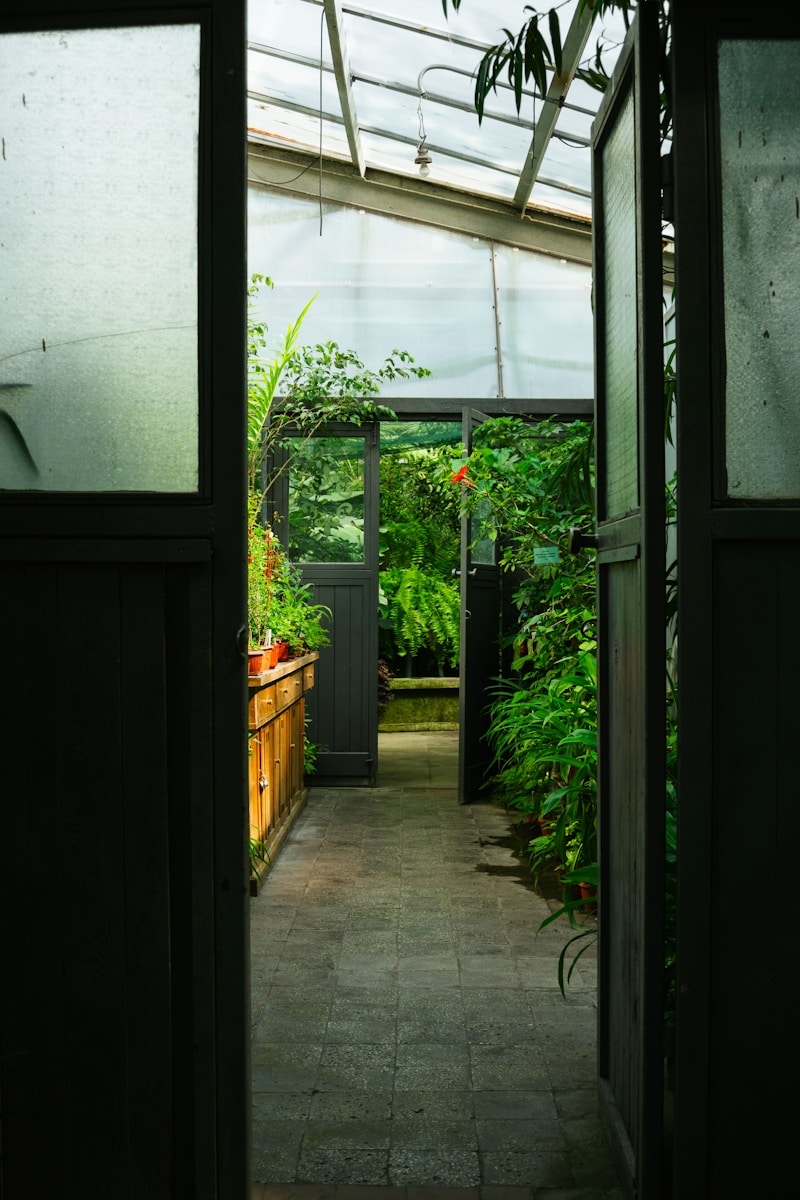
Greenhouses offer a controlled environment for growing plants, allowing you to extend your growing season and cultivate a wider variety of crops. However, traditional greenhouse construction and operation can have a significant environmental impact. By incorporating sustainable practices into your greenhouse design and maintenance, you can reduce your carbon footprint and create a more eco-friendly growing space. In this guide, we will explore tips and techniques for building and operating a sustainable greenhouse.
Choosing the Right Location
The first step in building a sustainable greenhouse is selecting the right location. Ideally, you want a spot that receives plenty of sunlight throughout the day, as this will help to reduce your reliance on artificial lighting. Additionally, consider the prevailing winds in your area, as you may want to take advantage of natural ventilation to regulate temperature and humidity in your greenhouse.
Selecting Sustainable Materials
When it comes to building your greenhouse, selecting sustainable materials is key. Look for materials that are durable, energy-efficient, and non-toxic. Recycled materials, such as reclaimed wood or glass, can help reduce the environmental impact of your greenhouse construction. Additionally, consider using energy-efficient glazing materials, such as double-paned glass or polycarbonate, to improve insulation and reduce heating costs.
Energy-Efficient Design
Designing your greenhouse for energy efficiency is essential for reducing your carbon footprint. Consider incorporating passive solar design principles, such as orienting your greenhouse to maximize sunlight exposure and using thermal mass to regulate temperature fluctuations. Additionally, installing energy-efficient heating, cooling, and lighting systems can help reduce your energy consumption and operating costs.
Water Conservation
Water is a precious resource, and conserving water in your greenhouse is essential for sustainability. Consider installing a rainwater harvesting system to collect and store rainwater for irrigation. Additionally, using drip irrigation systems and mulching can help reduce water waste and promote healthy plant growth. Recycling water from dehumidifiers or air conditioning units can also help minimize water usage in your greenhouse.
Composting and Soil Health
Creating healthy soil is essential for successful plant growth in your greenhouse. Composting organic matter, such as kitchen scraps and yard waste, can help enrich your soil with essential nutrients and improve soil structure. Additionally, rotating crops and incorporating cover crops can help maintain soil health and reduce the need for chemical fertilizers. Avoiding synthetic pesticides and herbicides can also help protect soil health and promote a thriving ecosystem in your greenhouse.
Integrated Pest Management
Preventing pest infestations in your greenhouse is essential for sustainable growing practices. Integrated pest management (IPM) techniques, such as using beneficial insects, trapping pests, and practicing good sanitation, can help control pests without relying on harmful chemicals. Regularly monitoring for pests and diseases can help you catch problems early and take appropriate action to prevent widespread infestations.
Renewable Energy Sources
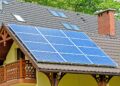
Reducing your greenhouse’s reliance on fossil fuels is essential for sustainability. Consider incorporating renewable energy sources, such as solar panels or wind turbines, to power your greenhouse. Using renewable energy can help reduce your carbon footprint and lower your energy costs over time. Additionally, investing in energy-efficient appliances and lighting can further reduce your greenhouse’s energy consumption and environmental impact.
Community Engagement and Education
Engaging with your community and sharing your knowledge about sustainable greenhouse practices can help promote environmental awareness and inspire others to adopt eco-friendly growing techniques. Hosting workshops, classes, or tours of your greenhouse can help educate others about the benefits of sustainable gardening and encourage them to make positive changes in their own growing practices. By building a community of like-minded individuals, you can work together to create a more sustainable future for all.
Conclusion
Building a sustainable greenhouse requires careful planning, thoughtful design, and a commitment to eco-friendly practices. By choosing the right location, selecting sustainable materials, designing for energy efficiency, conserving water, promoting soil health, practicing integrated pest management, using renewable energy sources, and engaging with your community, you can create a truly sustainable growing space that benefits both the environment and your plants. By following the tips and techniques outlined in this guide, you can build a greenhouse that not only supports healthy plant growth but also contributes to a more sustainable and eco-friendly world.
Implementing these strategies may require an initial investment of time and resources, but the long-term benefits of a sustainable greenhouse are well worth the effort. By incorporating sustainable practices into your greenhouse design and operation, you can reduce your environmental impact, save money on energy costs, and create a healthier growing environment for your plants. Whether you are a seasoned gardener or new to greenhouse growing, there are always opportunities to improve the sustainability of your growing practices and make a positive impact on the planet.
So, take the first step towards building a sustainable greenhouse today and start reaping the rewards of eco-friendly growing!