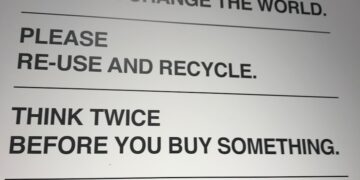
Sustainable Simplicity: How Minimalism is Saving the Planet
In a world where consumerism and materialism are rampant, the concept of minimalism has emerged as a powerful antidote. Minimalism is not just about decluttering your physical space; it’s a mindset that prioritizes simplicity, intentionality, and sustainability. By embracing minimalism, individuals can reduce their environmental impact and contribute to a more sustainable future for our planet. In this article, we will explore how minimalism is saving the planet and why it’s more important now than ever before.
The Environmental Impact of Consumerism
Consumerism has a significant impact on the environment. The production, transportation, and disposal of goods contribute to pollution, deforestation, and greenhouse gas emissions. Fast fashion, for example, has led to a culture of disposable clothing, where garments are worn only a few times before being thrown away. This cycle of overconsumption is not only wasteful but also harmful to the environment.
How Minimalism Benefits the Planet
Minimalism offers a different approach to consumption. By focusing on quality over quantity, minimalists choose to buy only what they truly need and value. This mindset shift can have a positive impact on the environment in several ways:
Reduced Waste
One of the key principles of minimalism is decluttering and simplifying your life. By owning fewer possessions, you are less likely to buy unnecessary items that will end up in landfills. Minimalists prioritize quality over quantity, opting for durable, long-lasting products that won’t need to be replaced frequently.
Lower Carbon Footprint
Minimalists tend to live more intentionally, making conscious choices about how they consume resources. By reducing their consumption, minimalists can lower their carbon footprint and decrease their overall impact on the environment. This includes everything from using energy-efficient appliances to choosing eco-friendly transportation options.
Supporting Sustainable Practices
Minimalism encourages individuals to support businesses that prioritize sustainability and ethical practices. By choosing to buy from companies that align with their values, minimalists can drive demand for more environmentally friendly products and services. This, in turn, can incentivize businesses to adopt more sustainable practices across their operations.
Common Questions About Minimalism and Sustainability
Can I still be a minimalist if I enjoy shopping?
Yes, you can still be a minimalist and enjoy shopping. The key is to be mindful of your purchases and only buy items that add value to your life. Consider implementing a “one in, one out” rule, where you donate or sell an item before bringing a new one into your home. This can help prevent unnecessary clutter and reduce your overall consumption.
How can I incorporate minimalism into my daily life?
Incorporating minimalism into your daily life is a gradual process that involves evaluating your values, priorities, and habits. Start by decluttering your physical space and identifying items that no longer serve a purpose. Then, consider adopting minimalist principles in other areas of your life, such as your diet, finances, and relationships. Remember that minimalism is a personal journey, and there is no one-size-fits-all approach.
What are some sustainable alternatives to common consumer goods?
There are many sustainable alternatives to common consumer goods, ranging from clothing and household items to personal care products and food. Consider shopping at thrift stores or second-hand markets for clothing and furniture, choosing reusable items like water bottles and shopping bags, and supporting brands that use eco-friendly materials and practices. By making conscious choices about what you consume, you can reduce your environmental impact and support a more sustainable future.
Conclusion
Minimalism is more than just a trend; it’s a powerful tool for combating the environmental challenges we face today. By embracing simplicity, intentionality, and sustainability, individuals can reduce their environmental impact and contribute to a more sustainable future for our planet. Whether you’re decluttering your closet or reevaluating your consumption habits, every small step towards minimalism can make a difference. Let’s work together to create a more sustainable world for future generations.