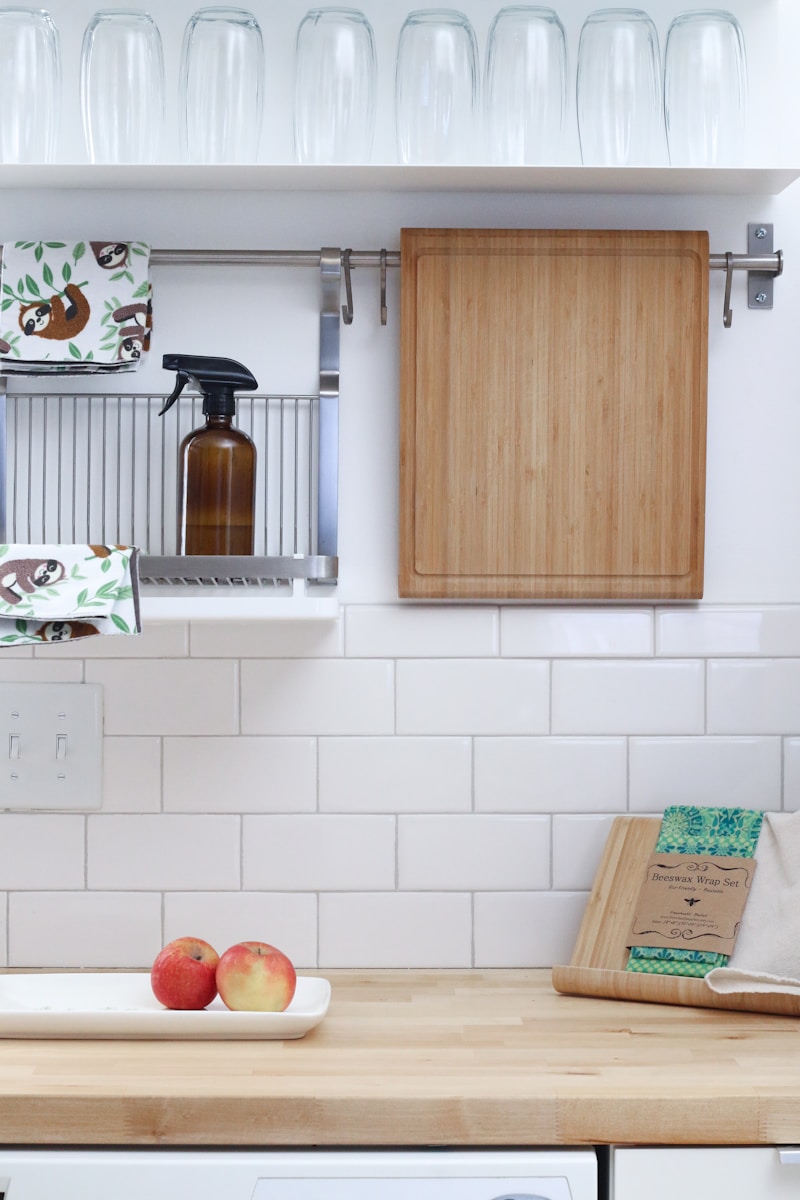
Sustainable Kitchen: The Eco-Minimalist’s Guide to Essential Living
Creating a sustainable kitchen is not only beneficial for the environment but also for your health and well-being. By adopting eco-friendly practices and embracing minimalism in your kitchen, you can reduce waste, save money, and create a healthier living space. In this article, we will provide you with a comprehensive guide on how to create a sustainable kitchen that is both functional and environmentally friendly.
Why Choose a Sustainable Kitchen?
There are many reasons why you should consider creating a sustainable kitchen. Here are a few benefits of adopting eco-friendly practices in your kitchen:
- Reduce waste: By using reusable containers, composting food scraps, and avoiding single-use plastics, you can significantly reduce the amount of waste produced in your kitchen.
- Save money: By buying in bulk, meal planning, and reducing food waste, you can save money on groceries and reduce your overall food expenses.
- Improve health: By using natural cleaning products, eating fresh, organic produce, and avoiding processed foods, you can improve your health and well-being.
- Protect the environment: By reducing your carbon footprint, conserving water, and supporting sustainable practices, you can help protect the environment for future generations.
Essential Tips for Creating a Sustainable Kitchen
Here are some essential tips for creating a sustainable kitchen:
1. Use eco-friendly cleaning products
Switch to natural cleaning products that are free of harmful chemicals and toxins. You can make your own cleaning solutions using ingredients like vinegar, baking soda, and essential oils.
2. Invest in quality cookware
Choose cookware that is durable, non-toxic, and made from sustainable materials like stainless steel, cast iron, or ceramic. Avoid non-stick cookware that contains harmful chemicals like Teflon.
3. Reduce food waste
Plan your meals, buy only what you need, and use up leftovers to reduce food waste. Compost food scraps to create nutrient-rich soil for your garden.
4. Buy in bulk
Buy pantry staples like grains, beans, and spices in bulk to reduce packaging waste. Use reusable containers to store bulk items and avoid single-use packaging.
5. Grow your own herbs and vegetables
Grow your own herbs and vegetables in a small garden or on a windowsill. This not only reduces your carbon footprint but also provides you with fresh, organic produce.
Common Questions About Sustainable Kitchens
Here are some common questions about creating a sustainable kitchen:
1. What are the best sustainable materials for kitchen countertops?
Some sustainable materials for kitchen countertops include bamboo, recycled glass, reclaimed wood, and concrete. These materials are durable, eco-friendly, and stylish.
2. How can I reduce plastic waste in my kitchen?
You can reduce plastic waste in your kitchen by using reusable containers, replacing plastic bags with silicone or beeswax wraps, and avoiding single-use plastics like straws and utensils.
3. What are some eco-friendly alternatives to paper towels?
Some eco-friendly alternatives to paper towels include cloth napkins, microfiber cloths, and bamboo towels. These alternatives are reusable, durable, and sustainable.
4. How can I create a minimalist kitchen?
To create a minimalist kitchen, declutter your space, organize your cabinets and pantry, and only keep essential items. Invest in multi-functional appliances and tools to save space and reduce clutter.
Conclusion
Creating a sustainable kitchen is a rewarding and fulfilling experience that can benefit both you and the environment. By adopting eco-friendly practices, embracing minimalism, and making conscious choices, you can create a kitchen that is not only functional but also environmentally friendly. Follow the tips and guidelines provided in this article to start your journey towards a sustainable kitchen today!
Remember, every small step towards sustainability counts, so start making changes in your kitchen today and help create a better tomorrow for yourself and future generations.