Sowing Resilience: Building a Sustainable and Secure Local Food System
In recent years, the importance of a sustainable and secure local food system has become increasingly evident. With climate change, economic instability, and other global challenges threatening the stability of our food supply, it is crucial that we work towards creating a resilient and sustainable food system that can weather these storms.
The Importance of Local Food Systems
Local food systems play a vital role in ensuring food security and sustainability. By sourcing food locally, we reduce our dependence on long-distance transportation, which not only reduces carbon emissions but also makes our food system more resilient to disruptions in the global supply chain. Additionally, local food systems support small-scale farmers and promote biodiversity, which is essential for maintaining healthy ecosystems.
Challenges Facing Our Current Food System
Despite the many benefits of local food systems, our current food system is facing a number of challenges. Climate change is causing more frequent and severe weather events, which can disrupt agricultural production. In addition, economic instability and global trade tensions can lead to food shortages and price spikes. These challenges highlight the need for a more resilient and sustainable food system.
Building Resilience Through Diversification
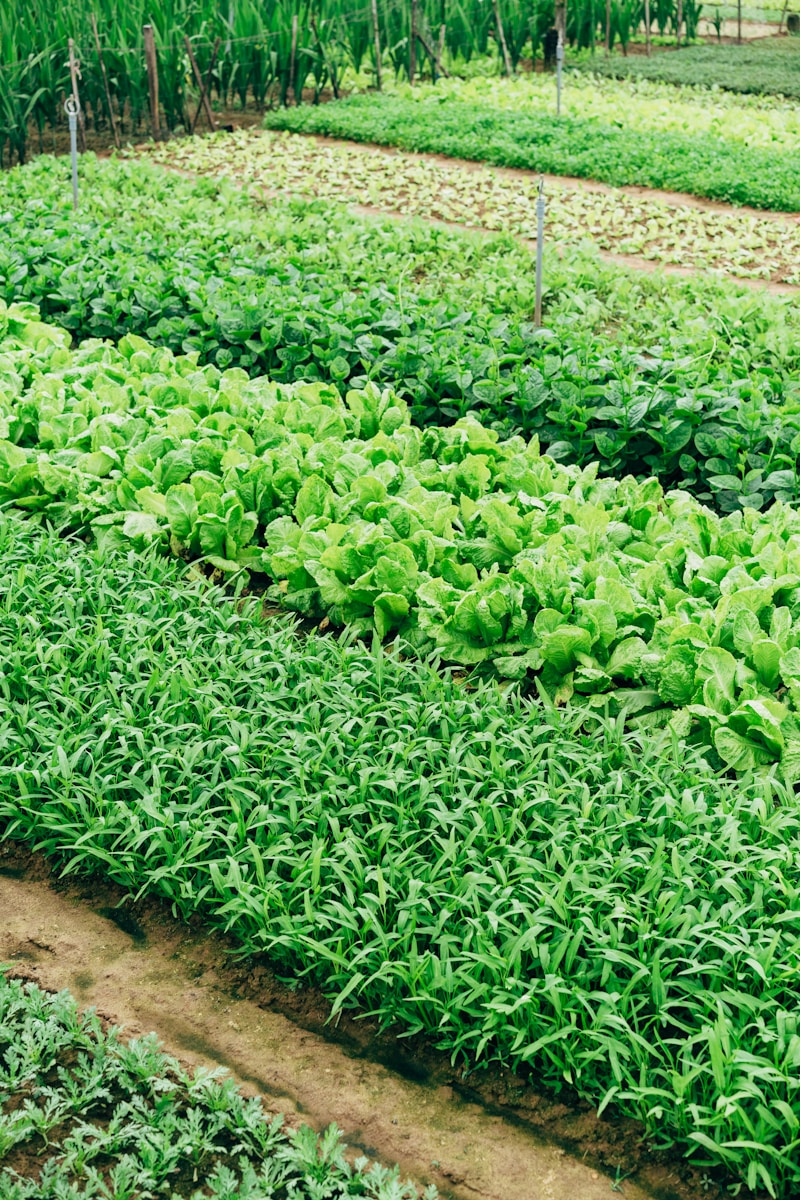
One key strategy for building a more resilient food system is diversification. By growing a variety of crops and raising a mix of livestock, farmers can reduce their vulnerability to crop failures and market fluctuations. Diversification also promotes biodiversity, which is essential for maintaining healthy ecosystems and adapting to changing environmental conditions.
Supporting Local Farmers
Supporting local farmers is another important aspect of building a sustainable and secure food system. By buying food directly from local farmers or through farmers markets, consumers can help support small-scale agriculture and reduce their carbon footprint. Additionally, supporting local farmers helps to create a more resilient food system by reducing our dependence on large-scale industrial agriculture.
Investing in Infrastructure
Investing in infrastructure is essential for building a more resilient food system. This includes improving access to water resources, building storage facilities to reduce food waste, and developing transportation networks to connect farmers with consumers. By investing in infrastructure, we can create a more efficient and secure food system that can withstand the challenges of climate change and other global threats.
Policy Changes for a Sustainable Food System
Policy changes are also necessary for building a sustainable and secure food system. This includes supporting small-scale farmers through subsidies and incentives, implementing regulations to promote sustainable agriculture practices, and investing in research and development to improve food production techniques. By enacting these policy changes, we can create a more resilient and sustainable food system that can meet the needs of future generations.
Common Questions About Sowing Resilience
What are the benefits of a sustainable food system?
A sustainable food system has many benefits, including reducing carbon emissions, supporting local farmers, promoting biodiversity, and improving food security. By building a sustainable food system, we can create a more resilient and secure food supply that can withstand the challenges of climate change and other global threats.
How can individuals support a sustainable food system?
Individuals can support a sustainable food system by buying food locally, reducing food waste, supporting small-scale farmers, and advocating for policy changes that promote sustainable agriculture practices. By making these small changes in our everyday lives, we can help build a more resilient and secure food system for future generations.
What role do government policies play in building a sustainable food system?
Government policies play a crucial role in building a sustainable food system. By enacting regulations that promote sustainable agriculture practices, providing incentives for small-scale farmers, and investing in research and development, governments can help create a more resilient and secure food system. It is essential that policymakers prioritize sustainability and resilience in their decision-making to ensure the long-term viability of our food supply.
Conclusion
Building a sustainable and secure local food system is essential for ensuring food security and sustainability in the face of global challenges. By diversifying crops, supporting local farmers, investing in infrastructure, and enacting policy changes, we can create a more resilient food system that can withstand the challenges of climate change, economic instability, and other threats. It is up to all of us to work together to sow resilience and create a food system that can feed future generations.
By taking action now, we can ensure a sustainable and secure food system for years to come.