Solar Savings: How to Install Panels on a Budget and Slash Your Energy Costs
Are you tired of high energy bills? Do you want to reduce your carbon footprint and contribute to a cleaner environment? Installing solar panels on your home can help you achieve both of these goals. However, many people are hesitant to make the switch to solar because of the perceived high costs associated with installation. The good news is that there are ways to install solar panels on a budget and start saving on your energy bills right away.
Benefits of Solar Panels
Before we dive into how to install solar panels on a budget, let’s first discuss the benefits of making the switch to solar energy. Solar panels offer numerous advantages, including:
- Reduced energy bills
- Increased property value
- Lower carbon footprint
- Energy independence
- Government incentives and rebates
By harnessing the power of the sun, you can significantly reduce your reliance on traditional energy sources and save money in the long run. Additionally, installing solar panels can increase the value of your home, making it a smart investment for the future.
How to Install Solar Panels on a Budget
Now that you understand the benefits of solar panels, let’s explore how you can install them on a budget. Here are some tips to help you save money on your solar panel installation:
1. Do Your Research
Before you start the installation process, it’s important to research different solar panel brands, installation companies, and financing options. By comparing prices and reading reviews, you can find the best deal for your budget.
2. Take Advantage of Incentives
Many government incentives and rebates are available to help offset the cost of installing solar panels. Be sure to research what incentives are available in your area and take advantage of them to save money on your installation.
3. Consider DIY Installation
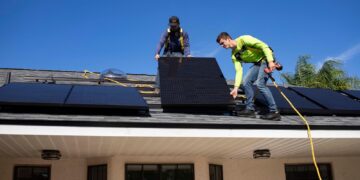
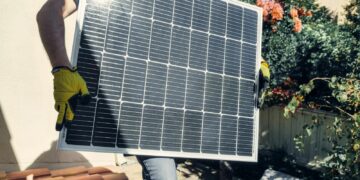
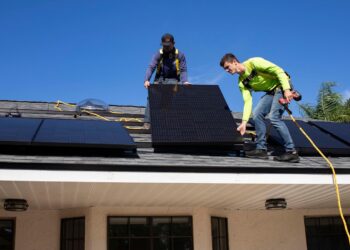
If you’re handy and have some basic construction skills, you may be able to install solar panels yourself. DIY installation can save you a significant amount of money on labor costs, but be sure to follow all safety guidelines and building codes.
4. Choose the Right Size System
To maximize your savings, it’s important to choose the right size solar panel system for your home. A smaller system may be more budget-friendly upfront, but a larger system can generate more energy and save you more money in the long run.
5. Shop Around for Financing Options
There are many financing options available for solar panel installation, including loans, leases, and power purchase agreements. Shop around and compare rates to find the best option for your budget.
Common Questions About Solar Panel Installation
As you consider installing solar panels on a budget, you may have some common questions. Here are answers to some of the most frequently asked questions about solar panel installation:
1. How Much Do Solar Panels Cost?
The cost of solar panels can vary depending on the size of the system, the brand of panels, and the installation company. On average, a residential solar panel system can cost between $15,000 and $25,000 before incentives and rebates.
2. How Long Does It Take to Install Solar Panels?
The installation process for solar panels typically takes one to three days, depending on the size of the system and the complexity of the installation. However, the entire process, from initial consultation to final inspection, can take several weeks to complete.
3. Will Solar Panels Work on Cloudy Days?
While solar panels work best in direct sunlight, they can still generate electricity on cloudy days. Solar panels are designed to capture diffused sunlight, so they can still produce energy even when it’s overcast.
4. What Maintenance Do Solar Panels Require?
Solar panels are relatively low maintenance, requiring only periodic cleaning to remove dirt and debris. It’s also a good idea to have your solar panels inspected annually to ensure they are operating efficiently.
Conclusion
Installing solar panels on a budget is a smart investment that can help you save money on your energy bills and reduce your carbon footprint. By doing your research, taking advantage of incentives, considering DIY installation, choosing the right size system, and shopping around for financing options, you can make the switch to solar energy without breaking the bank. If you have any more questions about solar panel installation, be sure to consult with a professional installer for personalized advice.
Start your journey to energy independence today by installing solar panels on your home and enjoy the savings for years to come.