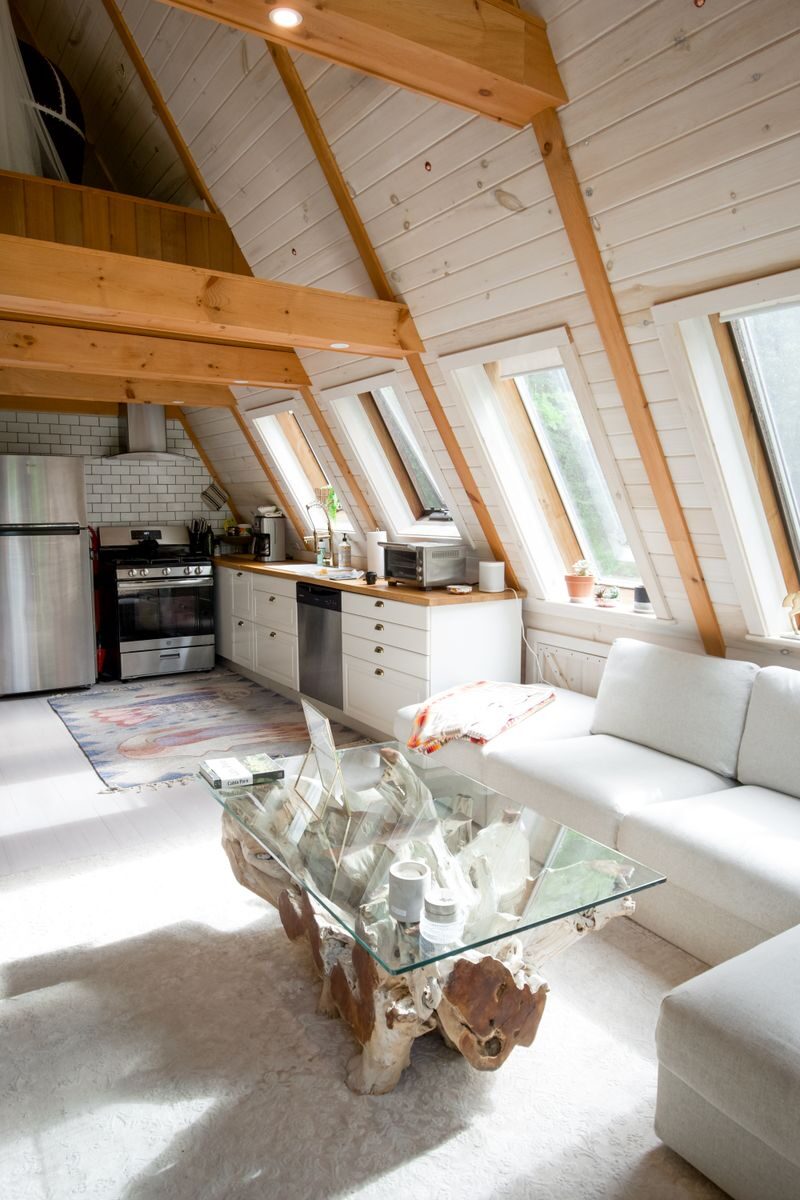
Simplicity in Solitude: Embracing Off-Grid Living with Minimalist Grace
Living off-grid is a lifestyle choice that appeals to many people seeking simplicity, self-sufficiency, and a closer connection to nature. In a world that is increasingly fast-paced and technology-driven, embracing off-grid living with minimalist grace offers a unique opportunity to slow down, simplify, and appreciate the beauty of a simpler way of life.
The Beauty of Off-Grid Living
Off-grid living allows individuals to disconnect from the grid and live independently of traditional utilities such as electricity, water, and sewage. This means relying on renewable energy sources like solar power, collecting rainwater for consumption, and using composting toilets. While this may seem daunting to some, many off-grid enthusiasts find it liberating to live off the land and reduce their environmental impact.
Benefits of Off-Grid Living
There are numerous benefits to off-grid living, including:
- Reduced environmental impact
- Increased self-sufficiency
- Closer connection to nature
- Lower utility bills
- Greater sense of independence
Embracing Minimalism in Off-Grid Living
Minimalism is a key aspect of off-grid living, as it requires individuals to simplify their possessions and focus on what truly matters. Living off-grid often means living in a smaller space, which necessitates decluttering and only keeping essentials. This minimalist approach not only reduces physical clutter but also promotes mental clarity and a greater sense of peace.
Tips for Embracing Minimalism in Off-Grid Living
Here are some tips for embracing minimalism in off-grid living:
- Declutter regularly
- Focus on quality over quantity
- Repurpose and recycle items
- Practice mindful consumption
Challenges of Off-Grid Living
While off-grid living offers many benefits, it also comes with its own set of challenges. One of the biggest challenges is the initial cost of setting up an off-grid system, which can be expensive. Additionally, living off-grid requires a certain level of self-reliance and problem-solving skills, as individuals must troubleshoot issues with their renewable energy systems and water sources.
Overcoming Challenges in Off-Grid Living
Here are some ways to overcome challenges in off-grid living:
- Start small and gradually expand your off-grid system
- Learn new skills such as basic carpentry and plumbing
- Join off-grid communities for support and guidance
- Stay adaptable and open to learning from mistakes
Creating a Sustainable Off-Grid Lifestyle
Creating a sustainable off-grid lifestyle involves making conscious choices that benefit both the individual and the environment. This includes using renewable energy sources, conserving water, practicing sustainable agriculture, and minimizing waste. By embracing a sustainable off-grid lifestyle, individuals can reduce their carbon footprint and contribute to a healthier planet.
Tips for Creating a Sustainable Off-Grid Lifestyle
Here are some tips for creating a sustainable off-grid lifestyle:
- Install solar panels or wind turbines for renewable energy
- Collect rainwater for drinking and irrigation
- Grow your own food using organic practices
- Compost kitchen scraps and yard waste
Embracing Solitude in Off-Grid Living
One of the defining characteristics of off-grid living is the solitude it offers. Living off-grid often means living in remote locations, away from the hustle and bustle of city life. While solitude can be intimidating for some, many people find it to be a source of peace, inspiration, and creativity.
Benefits of Solitude in Off-Grid Living
There are numerous benefits to embracing solitude in off-grid living, including:
- Greater self-awareness
- Increased creativity
- Improved mental health
- Deeper connection to nature
Common Questions About Off-Grid Living
Here are some common questions about off-grid living:
1. Is off-grid living legal?
Off-grid living is legal in many areas, but it is important to check local zoning laws and regulations before pursuing this lifestyle.
2. How do you stay connected in off-grid living?
Many off-grid individuals use satellite internet or cellular hotspots to stay connected to the outside world.
3. What do you do for entertainment in off-grid living?
Off-grid living offers a unique opportunity to connect with nature, engage in hobbies like gardening and hiking, and practice mindfulness.
4. How do you handle emergencies in off-grid living?
It is important to have a well-stocked first aid kit, emergency supplies, and a communication plan in place for emergencies in off-grid living.
Conclusion
Embracing off-grid living with minimalist grace offers a unique opportunity to simplify, connect with nature, and live a more sustainable lifestyle. By embracing minimalism, overcoming challenges, creating a sustainable lifestyle, and embracing solitude, individuals can experience the beauty and benefits of off-grid living. With careful planning, perseverance, and a willingness to learn, off-grid living can be a rewarding and fulfilling journey towards a simpler, more intentional way of life.