Shaping the Future: Exploring the Latest Green Innovation Trends in Renewable Energy
In recent years, the world has seen a growing focus on renewable energy as a sustainable solution to combat climate change and reduce our reliance on fossil fuels. As technology continues to advance, new green innovation trends are emerging in the renewable energy sector. From solar power to wind energy, these innovations are shaping the future of energy production and consumption. In this article, we will explore some of the latest trends in renewable energy and how they are revolutionizing the way we power our world.
Solar Power
Solar power has long been a popular choice for renewable energy, and recent innovations in solar technology are making it more efficient and affordable than ever before. One of the latest trends in solar power is the development of solar panels with higher efficiency ratings. These panels are able to convert more sunlight into electricity, making them a more cost-effective option for homeowners and businesses looking to go solar.
Another trend in solar power is the integration of solar panels into building materials such as roofing tiles and windows. This allows for seamless integration of solar power into new construction projects, reducing the need for traditional power sources and lowering energy costs over time.
Wind Energy
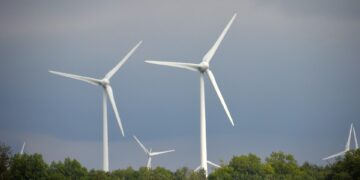
Wind energy is another popular choice for renewable energy, and recent innovations in wind turbine technology are making it a more viable option for large-scale energy production. One of the latest trends in wind energy is the development of larger and more efficient wind turbines. These turbines are able to generate more electricity with less wind, making them a more reliable source of renewable energy.
Another trend in wind energy is the use of offshore wind farms. These farms are located in bodies of water such as oceans and lakes, where wind speeds are typically higher and more consistent. Offshore wind farms have the potential to generate large amounts of electricity, making them a key player in the transition to renewable energy.
Hydroelectric Power
Hydroelectric power has long been a staple in the renewable energy sector, and recent innovations in hydropower technology are making it an even more attractive option for energy production. One of the latest trends in hydroelectric power is the development of small-scale hydroelectric systems. These systems are designed to harness the power of flowing water in rivers and streams, providing a reliable source of renewable energy for remote or off-grid locations.
Another trend in hydroelectric power is the use of pumped storage hydropower. This technology involves pumping water from a lower reservoir to a higher reservoir during times of low energy demand, and then releasing it to generate electricity when demand is high. Pumped storage hydropower is a flexible and efficient way to store and generate electricity, making it a valuable asset in the renewable energy landscape.
Bioenergy
Bioenergy is a renewable energy source that is derived from organic materials such as plants and waste products. Recent innovations in bioenergy technology are making it a more sustainable and efficient option for energy production. One of the latest trends in bioenergy is the development of advanced biofuels. These fuels are made from non-food sources such as algae and switchgrass, making them a more environmentally friendly alternative to traditional fossil fuels.
Another trend in bioenergy is the use of anaerobic digestion. This process involves breaking down organic materials in the absence of oxygen, producing biogas that can be used to generate electricity or heat. Anaerobic digestion is a cost-effective way to convert waste into energy, reducing landfill waste and greenhouse gas emissions in the process.
Geothermal Energy
Geothermal energy is a renewable energy source that is derived from the heat of the Earth’s core. Recent innovations in geothermal technology are making it a more accessible and efficient option for energy production. One of the latest trends in geothermal energy is the development of enhanced geothermal systems. These systems involve drilling deep into the Earth’s crust to access hot rocks and water, which can then be used to generate electricity or heat buildings.
Another trend in geothermal energy is the use of geothermal heat pumps. These pumps use the constant temperature of the Earth’s core to heat and cool buildings, reducing the need for traditional heating and cooling systems. Geothermal heat pumps are a cost-effective and environmentally friendly option for residential and commercial buildings, making them a popular choice for energy-conscious consumers.
Conclusion
As the world continues to shift towards renewable energy, new green innovation trends are emerging in the sector. From solar power to wind energy, these innovations are shaping the future of energy production and consumption. By staying informed about the latest trends in renewable energy, we can all play a part in creating a more sustainable and environmentally friendly world for future generations.
By harnessing the power of renewable energy sources such as solar, wind, hydroelectric, bioenergy, and geothermal, we can reduce our reliance on fossil fuels and combat climate change. The latest trends in renewable energy are paving the way for a cleaner and more sustainable future, and it is up to all of us to embrace these innovations and make a positive impact on the planet.