In recent years, there has been a significant shift towards renewable energy sources as the world seeks to reduce its carbon footprint and combat climate change. This shift has led to an explosion of innovation in the renewable energy sector, with new technologies and trends emerging at a rapid pace. In this article, we will explore some of the latest green innovation trends in renewable power that are revolutionizing the energy industry.
1. Solar Power
One of the most well-known and widely adopted forms of renewable energy is solar power. Solar panels have become increasingly efficient and affordable, making them a popular choice for homeowners and businesses looking to reduce their reliance on fossil fuels. In addition to traditional rooftop solar panels, there are now innovative new solar technologies such as solar shingles and solar windows that are revolutionizing the way we think about solar power.
2. Wind Power
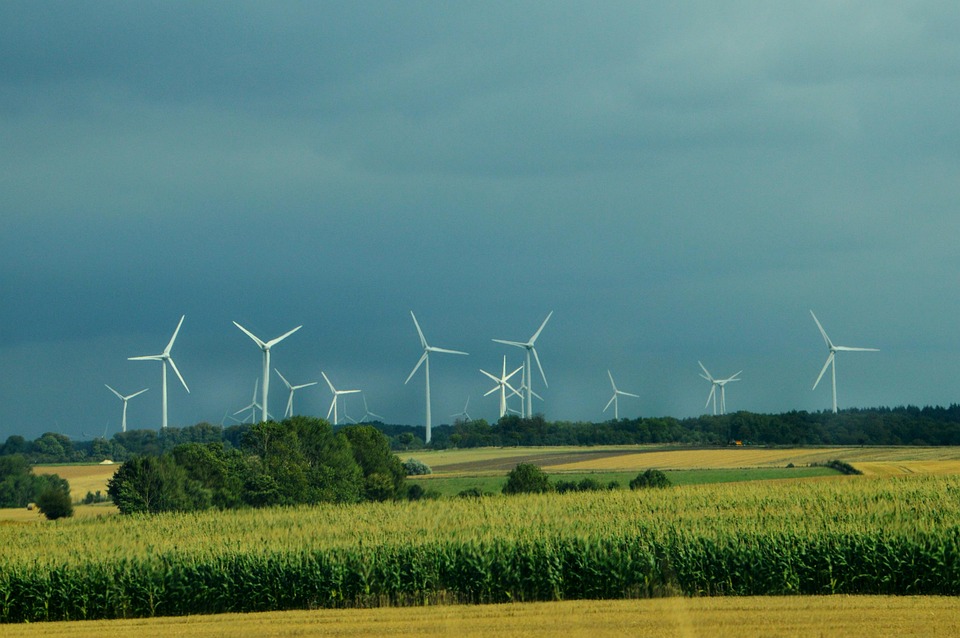
Another major player in the renewable energy sector is wind power. Wind turbines have been around for decades, but recent advancements in technology have made them more efficient and cost-effective than ever before. Offshore wind farms are also becoming increasingly popular, harnessing the power of the ocean breeze to generate electricity. With new developments in wind turbine design and construction, wind power is set to play a major role in the transition to a greener energy future.
3. Energy Storage
One of the biggest challenges facing renewable energy is its intermittent nature. The sun doesn’t always shine, and the wind doesn’t always blow, which can make it difficult to rely solely on solar and wind power for our energy needs. That’s where energy storage comes in. Advances in battery technology have made it possible to store excess energy generated by renewable sources for use when the sun isn’t shining or the wind isn’t blowing. This has the potential to revolutionize the way we think about energy production and consumption, paving the way for a more reliable and sustainable energy grid.
4. Smart Grids
Smart grids are another innovative trend in renewable energy that is revolutionizing the way we generate, distribute, and consume electricity. Smart grids use advanced technology to optimize the flow of electricity, making the grid more efficient and resilient. By incorporating renewable energy sources, energy storage, and smart meters, smart grids can help reduce energy waste, lower costs, and increase the reliability of the grid. As more and more countries invest in smart grid technology, we can expect to see significant improvements in the way we produce and use energy.
5. Geothermal Energy
Geothermal energy is another promising renewable energy source that is gaining traction in the industry. By tapping into the heat stored beneath the earth’s surface, geothermal power plants can generate electricity without producing greenhouse gas emissions. Geothermal energy has the potential to provide a reliable source of baseload power, complementing other intermittent renewable sources like solar and wind. With ongoing research and development, geothermal energy is poised to play a key role in the transition to a more sustainable energy future.
6. Bioenergy
Bioenergy, which includes biomass, biofuels, and biogas, is another important trend in renewable energy innovation. By harnessing organic materials such as plants, algae, and waste products, bioenergy can generate electricity, heat, and transportation fuels. Bioenergy is considered carbon-neutral, as the carbon dioxide released during combustion is offset by the carbon dioxide absorbed during the growth of the organic material. With advancements in bioenergy technology, we can expect to see increased use of biofuels and biogas as alternatives to fossil fuels in the coming years.
7. Hydroelectric Power
Hydroelectric power has long been a staple of renewable energy, providing a reliable and low-cost source of electricity. With the development of new technologies such as run-of-river hydroelectric plants and pumped storage hydroelectricity, hydroelectric power is becoming more versatile and sustainable than ever before. By harnessing the power of flowing water, hydroelectric plants can generate electricity without producing greenhouse gas emissions, making them an important part of the renewable energy mix.
8. Ocean Energy
Ocean energy, which includes wave energy, tidal energy, and ocean thermal energy conversion, is an emerging trend in renewable energy innovation. By harnessing the power of the ocean’s tides, waves, and temperature differentials, ocean energy can generate electricity in a clean and sustainable way. While ocean energy technologies are still in the early stages of development, they have the potential to provide a significant source of renewable power in the future. As research and investment in ocean energy continue to grow, we can expect to see more ocean energy projects coming online in the years to come.
Conclusion
In conclusion, the renewable energy sector is undergoing a period of rapid innovation and growth, with new technologies and trends revolutionizing the way we think about energy production and consumption. From solar and wind power to energy storage, smart grids, geothermal energy, bioenergy, hydroelectric power, and ocean energy, there are a wide range of renewable energy sources that are helping to pave the way towards a cleaner and more sustainable energy future. By investing in these green innovation trends and embracing renewable power, we can reduce our reliance on fossil fuels, lower greenhouse gas emissions, and create a more resilient and secure energy grid for future generations.