Revitalize Your Soil: Proven Techniques for Healthy and Productive Home Farming
Having healthy soil is the foundation of a successful home farming operation. When your soil is rich in nutrients and teeming with beneficial microorganisms, your plants will thrive and yield bountiful harvests. In this article, we will explore proven techniques for revitalizing your soil and ensuring the health and productivity of your home farm.
The Importance of Healthy Soil
Healthy soil is essential for growing healthy plants. When soil is depleted of nutrients and lacking in microbial activity, plants struggle to grow and produce. By revitalizing your soil, you can create a thriving ecosystem that supports plant growth and enhances the health of your entire garden.
Common Soil Problems
There are several common soil problems that can inhibit plant growth and productivity. These include:
- Compacted soil
- Poor drainage
- Nutrient deficiencies
- Imbalance of pH levels
- Lack of organic matter
Techniques for Revitalizing Your Soil
There are several techniques you can use to revitalize your soil and improve its health and productivity. These include:
1. Compost
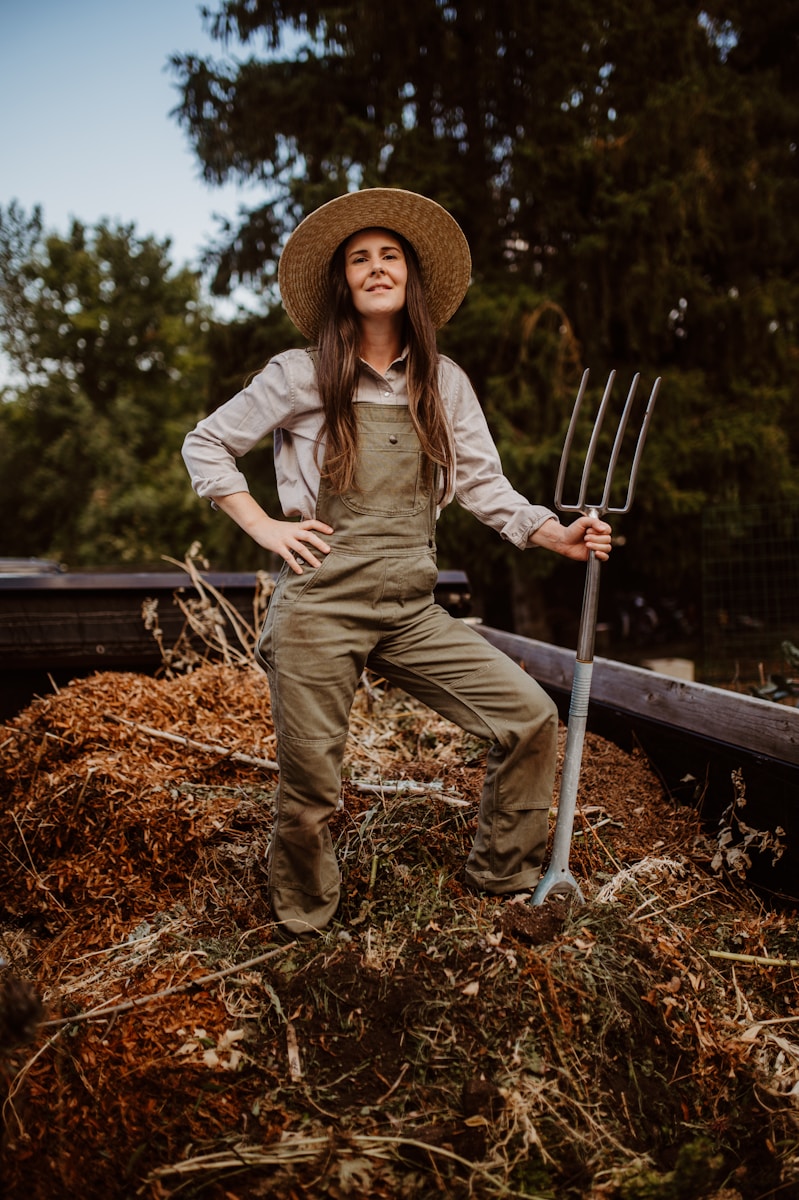
Composting is an excellent way to enrich your soil with organic matter and essential nutrients. By composting kitchen scraps, yard waste, and other organic materials, you can create a nutrient-rich soil amendment that will improve the health of your garden. Compost also helps improve soil structure, water retention, and microbial activity.
2. Cover Crops
Cover crops are plants that are grown specifically to improve soil health. They can help break up compacted soil, suppress weeds, and add nutrients to the soil. Cover crops like clover, vetch, and rye are commonly used in home gardens to revitalize soil and improve overall plant health.
3. Mulching
Mulching is another effective way to improve soil health. Mulch helps retain moisture, suppress weeds, and regulate soil temperature. Organic mulches like straw, leaves, and grass clippings can also break down over time and add nutrients to the soil.
4. Crop Rotation
Crop rotation is a practice where different crops are planted in the same area each year. This helps prevent nutrient depletion and reduces the buildup of pests and diseases. By rotating your crops, you can maintain soil health and productivity over time.
Common Questions About Revitalizing Soil
Here are some common questions about revitalizing soil for home farming:
1. How often should I add compost to my soil?
It is recommended to add compost to your soil at least once a year. However, you can also add compost as needed based on the nutrient requirements of your plants.
2. What cover crops are best for revitalizing soil?
Cover crops like clover, vetch, and rye are excellent choices for revitalizing soil. These plants are known for their ability to add nutrients to the soil and improve soil structure.
3. How can I test the health of my soil?
You can test the health of your soil by performing a soil test. Soil tests can determine nutrient levels, pH levels, and microbial activity in your soil, helping you identify any deficiencies that need to be addressed.
Conclusion
Revitalizing your soil is essential for creating a healthy and productive home farming operation. By using techniques like composting, cover cropping, mulching, and crop rotation, you can improve the health of your soil and ensure the success of your garden. By addressing common soil problems and providing valuable nutrients to your plants, you can enjoy bountiful harvests and a thriving garden year after year.
Remember to regularly test the health of your soil and make adjustments as needed to maintain optimal growing conditions. With healthy soil as the foundation of your home farming operation, you can enjoy a bountiful harvest and the satisfaction of growing your own food.