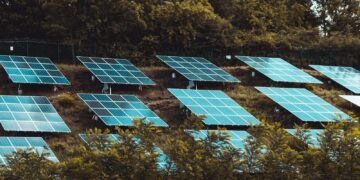
Powering Your Home Sustainably: The Future of Bioenergy Technologies
In today’s world, the need for sustainable energy sources has never been more pressing. With the effects of climate change becoming increasingly evident, it is essential that we transition to cleaner, renewable energy sources to power our homes and businesses. Bioenergy technologies offer a promising solution to this challenge, harnessing the power of organic materials to generate electricity and heat. In this article, we will explore the future of bioenergy technologies and how they can help us power our homes sustainably.
What is Bioenergy?
Bioenergy is a form of renewable energy that is derived from organic materials such as plant and animal waste. These materials, known as biomass, can be used to produce electricity, heat, and transportation fuels. Bioenergy technologies encompass a wide range of processes, including combustion, gasification, and anaerobic digestion. These processes convert biomass into useful energy sources, reducing our reliance on fossil fuels and lowering greenhouse gas emissions.
The Benefits of Bioenergy
There are several key benefits to using bioenergy as a sustainable energy source. First and foremost, bioenergy is renewable, meaning that it can be continuously replenished through the growth of biomass. This sets it apart from finite fossil fuels, which are rapidly depleting. Additionally, bioenergy is carbon-neutral, as the carbon dioxide released during combustion is offset by the carbon dioxide absorbed by the plants during their growth. This helps to mitigate climate change and reduce our overall carbon footprint.
Bioenergy also offers economic benefits, creating new opportunities for job growth and investment in rural communities. By utilizing locally-sourced biomass, bioenergy projects can stimulate local economies and reduce dependence on imported energy sources. Finally, bioenergy can help to diversify our energy supply, increasing energy security and reducing vulnerability to supply disruptions.
The Future of Bioenergy Technologies
As technology continues to advance, the future of bioenergy looks increasingly promising. New innovations in bioenergy technologies are making it more efficient, cost-effective, and environmentally friendly than ever before. One of the most exciting developments in bioenergy is the use of advanced biofuels, such as cellulosic ethanol and biodiesel. These fuels are produced from non-food biomass sources, such as agricultural residues and woody biomass, making them more sustainable and less competition with food production.
Another key area of innovation in bioenergy is the development of bioenergy combined heat and power (CHP) systems. These systems generate both electricity and heat from biomass, maximizing energy efficiency and reducing waste. By capturing and utilizing the heat generated during electricity production, bioenergy CHP systems can achieve overall efficiencies of up to 80%, far higher than traditional power plants.
Furthermore, advancements in bioenergy conversion technologies are enabling the production of bio-based chemicals and materials, opening up new markets and opportunities for the bioenergy industry. Bio-based plastics, bio-based lubricants, and bio-based adhesives are just a few examples of the diverse range of products that can be produced from biomass.
How to Power Your Home Sustainably with Bioenergy
If you are interested in powering your home sustainably with bioenergy, there are several options available to you. One of the simplest ways to incorporate bioenergy into your home is through the use of biomass heating systems. These systems burn biomass, such as wood pellets or agricultural residues, to produce heat for your home. Biomass heating systems can be integrated into existing heating systems, providing a renewable and cost-effective alternative to traditional fossil fuels.
Another popular option for sustainable home energy is the installation of a biogas digester. Biogas digesters use anaerobic digestion to break down organic waste, such as food scraps and animal manure, to produce biogas. This biogas can then be used to generate electricity and heat for your home, reducing your reliance on grid electricity and lowering your carbon footprint.
For those looking to take their sustainable home energy to the next level, bioenergy CHP systems offer a comprehensive solution. These systems combine the benefits of biomass heating and biogas digestion to generate both electricity and heat for your home. By capturing and utilizing the heat produced during electricity generation, bioenergy CHP systems can significantly increase energy efficiency and reduce overall energy costs.
Conclusion
In conclusion, bioenergy technologies offer a promising solution to our energy challenges, providing a sustainable and renewable alternative to traditional fossil fuels. With advancements in bioenergy conversion technologies and the development of new biofuels, the future of bioenergy looks brighter than ever. By incorporating bioenergy into our homes and businesses, we can reduce our carbon footprint, support local economies, and move towards a more sustainable energy future. Powering your home sustainably with bioenergy is not only good for the planet, but also for your wallet. So why wait? Start exploring the possibilities of bioenergy today and make a positive impact on the world around you.