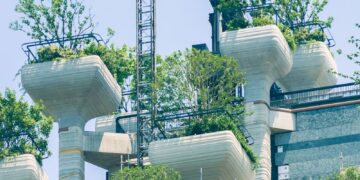
In today’s rapidly evolving world, the demand for sustainable electricity solutions for urban dwellings is at an all-time high. With the growing population in cities around the globe, the need for reliable and environmentally friendly power sources is more important than ever. In this article, we will explore the various options available for powering the future of urban living sustainably, while also addressing common questions and concerns that arise in the process.
Why Sustainable Electricity Solutions are Essential for Urban Dwellings
As cities continue to grow and develop, the strain on traditional power sources such as fossil fuels and coal becomes increasingly unsustainable. Not only do these sources contribute to air pollution and climate change, but they are also finite resources that will eventually run out. This is where sustainable electricity solutions come into play, offering a cleaner, more efficient, and renewable alternative to traditional power sources.
The Benefits of Sustainable Electricity Solutions
There are numerous benefits to utilizing sustainable electricity solutions in urban dwellings. Some of the key advantages include:
1. Environmental Benefits: Sustainable electricity solutions such as solar power, wind power, and hydropower produce significantly fewer greenhouse gas emissions compared to traditional power sources. This helps to reduce air pollution and combat climate change.
2. Cost Savings: While the initial investment in sustainable electricity solutions may be higher than traditional power sources, the long-term cost savings can be substantial. Solar panels, for example, can generate free electricity once installed, offsetting or even eliminating monthly utility bills.
3. Energy Independence: By generating their own electricity through sustainable means, urban dwellings can reduce their reliance on the grid and be less susceptible to power outages or fluctuations in energy prices.
4. Job Creation: The renewable energy sector is a growing industry that has the potential to create thousands of new jobs in urban areas. This can help stimulate the local economy and provide opportunities for residents to work in a sustainable and rewarding field.
Types of Sustainable Electricity Solutions
There are several sustainable electricity solutions available for urban dwellings, each with its own unique benefits and considerations. Some of the most popular options include:
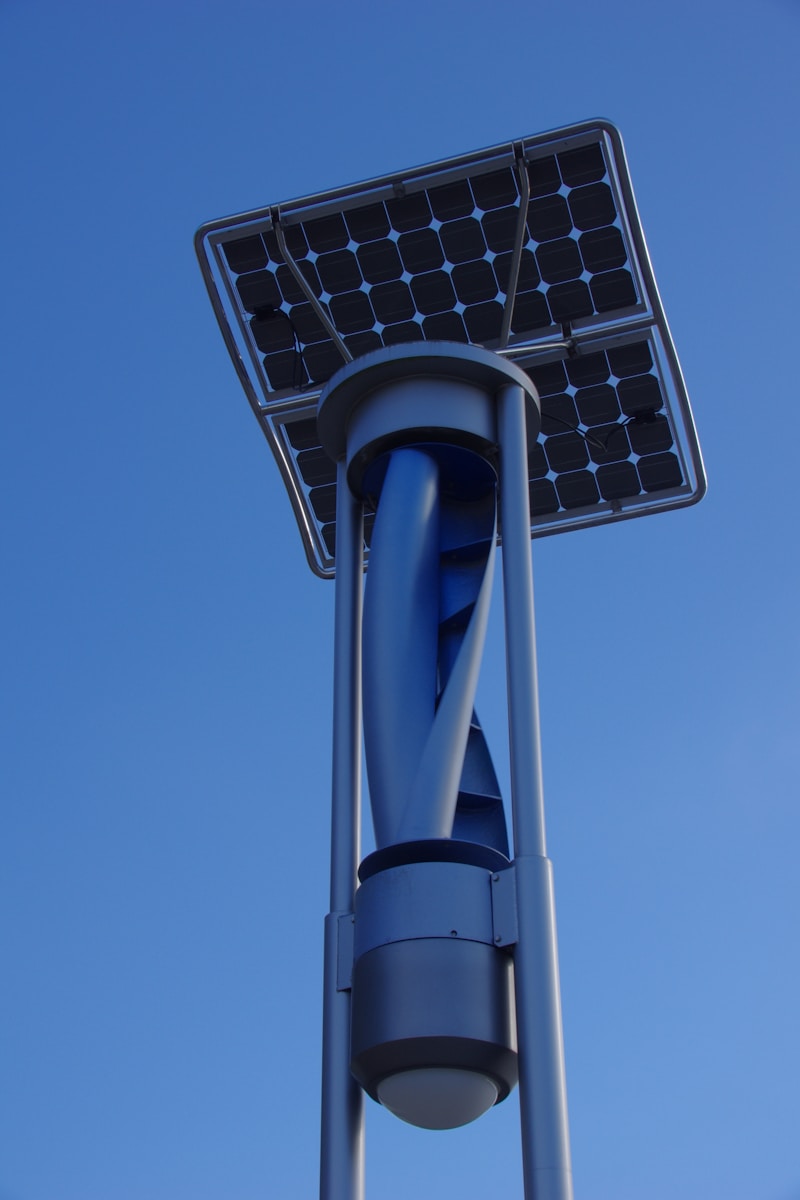
1. Solar Power: Solar panels convert sunlight into electricity, providing a clean and renewable energy source for urban dwellings. With advancements in technology, solar panels have become more efficient and affordable, making them a popular choice for homeowners and businesses alike.
2. Wind Power: Wind turbines harness the power of the wind to generate electricity, offering a reliable and sustainable energy source for urban areas with access to consistent wind patterns. While wind power can be more expensive to install than solar power, it can be a viable option for those looking to diversify their renewable energy sources.
3. Hydropower: Hydropower utilizes the energy of flowing water to generate electricity, making it a reliable and renewable energy source for urban dwellings located near rivers or streams. While large-scale hydropower projects can be costly and have environmental impacts, micro-hydropower systems are a more sustainable option for smaller urban areas.
4. Geothermal Power: Geothermal energy taps into the heat of the earth’s core to generate electricity, providing a reliable and consistent energy source for urban dwellings. While geothermal power plants can be expensive to build, geothermal heat pumps are a cost-effective option for residential heating and cooling.
Common Questions and Concerns
As with any new technology or solution, there are common questions and concerns that arise when considering sustainable electricity options for urban dwellings. Some of the most frequently asked questions include:
1. Will sustainable electricity solutions work in my area?
2. What is the initial cost of installation?
3. How long will it take to see a return on investment?
4. What maintenance is required for sustainable electricity systems?
5. How can I ensure the reliability of sustainable electricity sources?
Conclusion
In conclusion, sustainable electricity solutions are essential for powering the future of urban dwellings in a clean, efficient, and environmentally friendly manner. By utilizing renewable energy sources such as solar power, wind power, hydropower, and geothermal power, urban areas can reduce their reliance on traditional power sources and contribute to a more sustainable future for generations to come. With the benefits of cost savings, energy independence, job creation, and environmental protection, sustainable electricity solutions are a win-win for urban dwellings looking to power their future in a responsible and sustainable way.