Powering the Future: Renewable Energy Solutions for Tiny House Living
As the world continues to shift towards sustainable living practices, many individuals are turning to tiny house living as a way to minimize their environmental footprint. One of the biggest challenges faced by tiny house owners is finding an efficient and reliable source of energy to power their homes. Fortunately, renewable energy solutions offer a viable and eco-friendly alternative to traditional power sources. In this article, we will explore the various renewable energy options available for tiny house living, including solar panels, wind turbines, and hydroelectric systems.
Solar Power
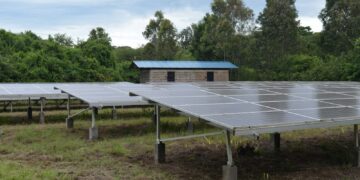
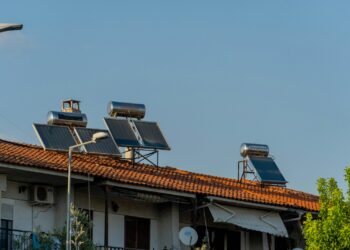
Solar power is perhaps the most popular and widely used renewable energy source for tiny house living. Solar panels are easy to install and require minimal maintenance, making them an ideal choice for off-grid living. By harnessing the sun’s energy, tiny house owners can generate electricity to power their homes, appliances, and electronic devices.
One of the main advantages of solar power is its scalability. Tiny house owners can start with a small solar panel system and gradually expand it as their energy needs grow. Additionally, solar panels can be mounted on the roof of a tiny house or on a nearby structure, maximizing their exposure to sunlight and increasing their efficiency.
When considering solar power for your tiny house, it is important to calculate your energy needs and determine the size of the solar panel system required to meet those needs. Factors such as the amount of sunlight your location receives, the angle of your solar panels, and the efficiency of your appliances will all affect the performance of your solar power system.
Wind Power
Wind power is another renewable energy option for tiny house living. Wind turbines can be installed on the property surrounding a tiny house to capture the energy of the wind and convert it into electricity. Like solar power, wind power is a clean and sustainable energy source that can help reduce reliance on traditional power sources.
When choosing a wind turbine for your tiny house, it is important to consider factors such as the average wind speed in your area, the height of the turbine tower, and the size of the rotor blades. Proper placement and installation of the wind turbine are also crucial to maximizing its energy production.
While wind power can be an effective energy solution for tiny house living, it is important to note that wind turbines can be noisy and may not be suitable for all locations. Additionally, wind power systems can be more complex and costly to install than solar power systems, so careful planning and budgeting are essential.
Hydroelectric Power
For tiny house owners living near a water source such as a river or stream, hydroelectric power can be a viable renewable energy solution. By harnessing the energy of flowing water, hydroelectric systems can generate electricity to power a tiny house and its appliances.
Hydroelectric power systems typically consist of a water turbine connected to a generator, which converts the mechanical energy of the flowing water into electrical energy. While hydroelectric power can be a reliable and efficient energy source, it requires careful planning and permitting due to its potential impact on the environment and wildlife.
Before installing a hydroelectric power system for your tiny house, it is important to assess the flow rate and head height of the water source, as well as any regulatory requirements or restrictions in your area. Proper maintenance and monitoring of the system are also essential to ensure its long-term performance and sustainability.
Conclusion
Renewable energy solutions offer a sustainable and eco-friendly way to power tiny house living. Whether you choose solar power, wind power, hydroelectric power, or a combination of these technologies, there are plenty of options available to meet your energy needs while minimizing your environmental impact.
By carefully planning and implementing a renewable energy system for your tiny house, you can enjoy the benefits of clean, reliable, and affordable energy for years to come. With the right combination of renewable energy sources and efficient appliances, you can power the future of tiny house living while reducing your carbon footprint and living more sustainably.
So, if you’re considering tiny house living and looking for a reliable and eco-friendly energy solution, be sure to explore the possibilities of renewable energy and take the first step towards a more sustainable lifestyle.
Remember, the future is renewable – let’s power it together!