Powering the Future: A Comprehensive Guide to Zero-Emission Home Energy Systems
As the world continues to grapple with the impact of climate change, the importance of transitioning to zero-emission energy systems has never been more crucial. One area where significant progress can be made is in the realm of home energy systems. By adopting zero-emission technologies, homeowners can reduce their carbon footprint and contribute to a more sustainable future.
Why Zero-Emission Home Energy Systems?
The traditional sources of energy used in homes, such as fossil fuels, are major contributors to greenhouse gas emissions. By switching to zero-emission energy systems, homeowners can significantly reduce their environmental impact. Additionally, zero-emission technologies often come with cost-saving benefits in the long run, making them a smart investment for the future.
Types of Zero-Emission Home Energy Systems
Solar Power
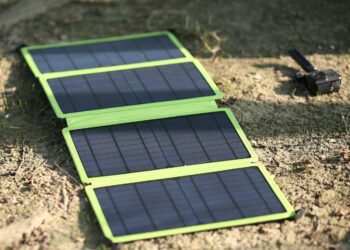
Solar power is one of the most popular zero-emission energy systems for homes. By installing solar panels on your roof, you can harness the power of the sun to generate electricity for your household. Solar power is a renewable and sustainable energy source that can significantly reduce your reliance on traditional grid electricity.
Wind Power
Wind power is another zero-emission energy option for homeowners. By installing a wind turbine on your property, you can generate electricity from the wind. Wind power is a clean and renewable energy source that can help you reduce your carbon footprint and lower your energy bills.
Geothermal Energy
Geothermal energy is a zero-emission energy system that utilizes the heat stored beneath the Earth’s surface. By installing a geothermal heat pump in your home, you can heat and cool your house using the natural temperature of the earth. Geothermal energy is a highly efficient and environmentally friendly option for homeowners.
Benefits of Zero-Emission Home Energy Systems
There are numerous benefits to adopting zero-emission energy systems in your home. Some of the key advantages include:
- Reduced carbon footprint
- Lower energy bills
- Increased energy independence
- Improved home value
- Contribution to a more sustainable future
Common Questions About Zero-Emission Home Energy Systems
How much do zero-emission energy systems cost?
The cost of zero-emission energy systems can vary depending on the size of your home, the type of system you choose, and the location of your property. However, many homeowners find that the long-term cost savings outweigh the initial investment.
Are zero-emission energy systems reliable?
Zero-emission energy systems are designed to be reliable and durable. With proper maintenance and upkeep, you can expect your system to provide consistent energy for many years to come.
Do zero-emission energy systems work in all climates?
While some zero-emission energy systems may be more effective in certain climates, there are options available for all types of environments. It’s important to consult with a professional to determine the best system for your specific location.
Conclusion
Transitioning to zero-emission home energy systems is a critical step towards a more sustainable future. By harnessing the power of renewable energy sources such as solar, wind, and geothermal, homeowners can reduce their carbon footprint, lower their energy bills, and contribute to a healthier planet. If you’re considering making the switch to zero-emission energy, be sure to explore the various options available and consult with a professional to determine the best system for your home.
With the right information and resources, you can power the future with zero-emission energy systems and make a positive impact on the environment.