Powering Small Spaces: Eco-Friendly Solutions for Sustainable Living in Tiny Homes
In recent years, there has been a growing trend towards minimalism and downsizing. Many people are choosing to live in tiny homes to reduce their environmental impact and live a simpler, more sustainable lifestyle. One of the biggest challenges of living in a tiny home is finding eco-friendly solutions to power these small spaces. In this article, we will explore some of the best options for powering tiny homes in an environmentally friendly way.
The Benefits of Eco-Friendly Energy Solutions
Before we dive into the specific solutions for powering tiny homes, let’s first discuss why it’s important to choose eco-friendly energy sources. By opting for sustainable energy solutions, you can reduce your carbon footprint, lower your utility bills, and decrease your reliance on non-renewable resources. Additionally, eco-friendly energy sources are often more reliable and resilient, making them a smart choice for off-grid living.
Solar Power
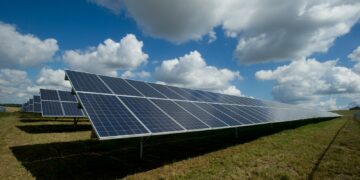
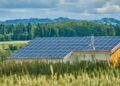
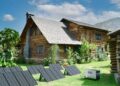
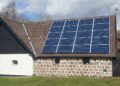
One of the most popular options for powering tiny homes is solar power. Solar panels can be installed on the roof of a tiny home to capture energy from the sun and convert it into electricity. This energy can then be used to power lights, appliances, and other electrical devices in the home.
Solar power is a clean, renewable source of energy that produces no emissions or pollution. It is also a low-maintenance option, as solar panels require very little upkeep once installed. While the upfront cost of installing solar panels can be high, many government incentives and rebates are available to help offset the cost.
Wind Power
Another eco-friendly energy option for tiny homes is wind power. Small wind turbines can be installed on the property to capture the natural energy of the wind and convert it into electricity. Wind power is a great option for areas that receive consistent wind patterns, as it can be a reliable source of energy.
Wind power is also a clean, renewable energy source that produces no emissions or pollution. While the upfront cost of installing a wind turbine can be high, it can be a cost-effective option in the long run, especially for off-grid living.
Hydro Power
For tiny homes located near a water source, hydro power can be a viable energy solution. Micro-hydro systems can be installed to capture the energy of flowing water and convert it into electricity. This energy can then be used to power the home’s electrical devices.
Hydro power is a clean, renewable energy source that produces no emissions or pollution. It can be a reliable source of energy for homes located near rivers or streams. While the upfront cost of installing a micro-hydro system can be high, it can provide a steady source of energy for off-grid living.
Battery Storage
Regardless of the energy source you choose for your tiny home, it’s important to have a reliable battery storage system in place. Battery storage allows you to store excess energy generated by your solar panels, wind turbine, or hydro system for use when the sun isn’t shining, the wind isn’t blowing, or the water isn’t flowing.
There are many different types of battery storage systems available, ranging from lead-acid batteries to lithium-ion batteries. It’s important to choose a battery storage system that is compatible with your energy source and meets your energy storage needs.
Energy Monitoring
To maximize the efficiency of your tiny home’s energy system, consider investing in an energy monitoring system. Energy monitoring systems allow you to track your energy usage in real-time, identify areas where you can reduce energy consumption, and optimize your energy system for maximum efficiency.
There are many different energy monitoring systems available, ranging from basic monitoring apps to more advanced smart home systems. By monitoring your energy usage, you can make informed decisions about how to reduce your energy consumption and lower your utility bills.
Conclusion
Powering a tiny home in an eco-friendly way is not only good for the environment, but it can also save you money in the long run. By choosing sustainable energy sources like solar power, wind power, and hydro power, you can reduce your carbon footprint, lower your utility bills, and live a more sustainable lifestyle. Additionally, investing in battery storage and energy monitoring can help you optimize your energy system for maximum efficiency.
If you’re considering living in a tiny home, be sure to explore the eco-friendly energy solutions mentioned in this article. By powering your tiny home with clean, renewable energy sources, you can enjoy a more sustainable and environmentally friendly lifestyle.