Powering a Sustainable Future: The Benefits of Smart Energy Management Systems for Eco Homes
As the world continues to grapple with the effects of climate change, there is an increasing urgency to transition towards more sustainable practices. One area where significant progress can be made is in the way we power our homes. Smart energy management systems offer a promising solution to reduce our carbon footprint while also providing numerous benefits for homeowners. In this article, we will explore the advantages of incorporating smart energy management systems in eco homes, and how they can help pave the way towards a more sustainable future.
What are Smart Energy Management Systems?
Smart energy management systems are advanced technologies that enable homeowners to monitor and control their energy usage in real-time. These systems typically consist of smart devices, such as thermostats, lighting controls, and appliances, that are connected to a central hub or app. By leveraging data analytics and automation, smart energy management systems can optimize energy usage, reduce waste, and lower utility bills.
Benefits of Smart Energy Management Systems for Eco Homes
1. Energy Efficiency
One of the primary benefits of smart energy management systems is their ability to improve energy efficiency in homes. By monitoring energy usage patterns and adjusting settings automatically, these systems can help homeowners reduce their overall energy consumption. This not only lowers utility bills but also reduces the carbon footprint of the household.
2. Cost Savings
Smart energy management systems can also lead to significant cost savings for homeowners. By optimizing energy usage and reducing waste, these systems can help lower utility bills over time. Additionally, some utility companies offer incentives or rebates for installing energy-efficient devices, further reducing the upfront costs of implementing a smart energy management system.
3. Remote Monitoring and Control
Another key advantage of smart energy management systems is the ability to monitor and control energy usage remotely. Through a mobile app or online portal, homeowners can track their energy consumption in real-time, adjust settings, and receive alerts for potential energy-saving opportunities. This level of control and visibility empowers homeowners to make informed decisions about their energy usage and identify areas for improvement.
4. Integration with Renewable Energy Sources
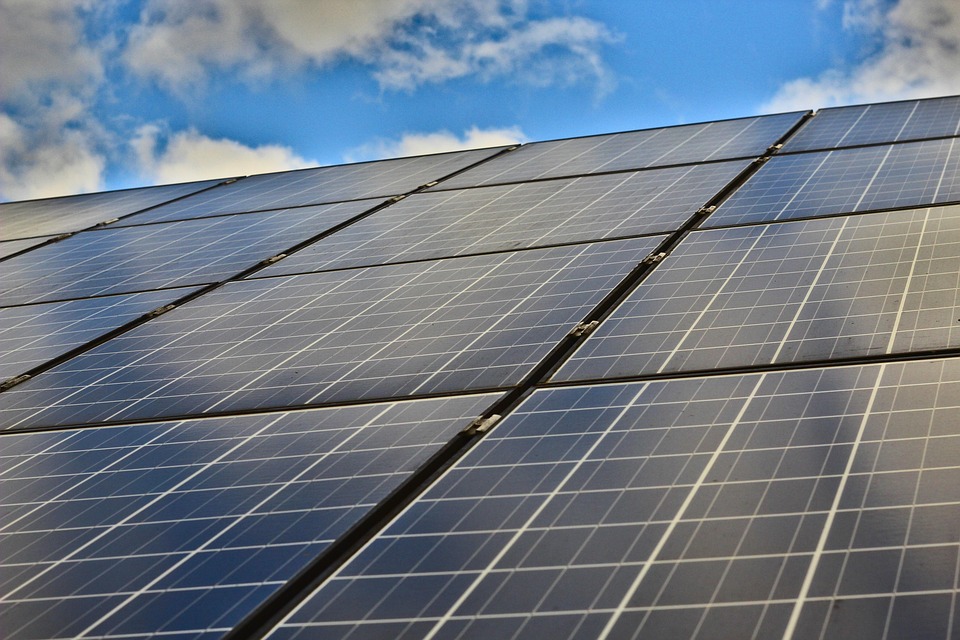
Smart energy management systems are also compatible with renewable energy sources, such as solar panels or wind turbines. By integrating these systems, homeowners can further reduce their reliance on traditional energy sources and transition towards a more sustainable energy mix. This not only helps reduce carbon emissions but also provides a more reliable and resilient energy supply for the home.
Common Questions about Smart Energy Management Systems
1. Are smart energy management systems difficult to install?
While some smart energy management systems may require professional installation, many are designed for easy DIY setup. Manufacturers often provide step-by-step instructions and online tutorials to guide homeowners through the installation process. Additionally, some utility companies offer assistance or incentives for installing energy-efficient devices, making it more accessible for homeowners to adopt smart energy management systems.
2. Can smart energy management systems work with existing home appliances?
Yes, smart energy management systems are designed to work with a wide range of existing home appliances. Whether it’s a smart thermostat, lighting control system, or smart plugs, these devices can be easily integrated into the home’s existing infrastructure. Manufacturers often provide compatibility information and guidelines to help homeowners select the right devices for their specific needs.
3. How do smart energy management systems contribute to a sustainable future?
Smart energy management systems play a crucial role in promoting a sustainable future by reducing energy consumption, lowering carbon emissions, and increasing the use of renewable energy sources. By optimizing energy usage and promoting energy efficiency, these systems help homeowners minimize their environmental impact and contribute to global efforts to combat climate change.
Conclusion
Smart energy management systems offer a multitude of benefits for eco homes, ranging from improved energy efficiency and cost savings to remote monitoring and integration with renewable energy sources. By leveraging the power of data analytics and automation, these systems empower homeowners to make informed decisions about their energy usage and reduce their carbon footprint. As we strive towards a more sustainable future, smart energy management systems will play a crucial role in transforming the way we power our homes and communities.