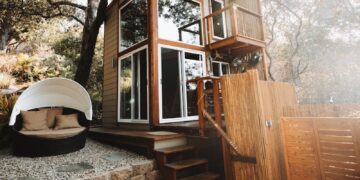
Off the Grid: Innovative Sustainable Housing Solutions for a Greener Future
In today’s world, sustainability and environmental consciousness are becoming increasingly important. As populations grow and resources become more limited, it is crucial that we find innovative solutions to build homes that are both eco-friendly and efficient. One such solution is off the grid housing, which is gaining popularity as a way to reduce our carbon footprint and live more sustainably.
What is Off the Grid Housing?
Off the grid housing refers to homes that are not connected to the traditional utility grid. This means that they are self-sufficient in terms of water, energy, and waste management. Off the grid homes typically rely on renewable energy sources such as solar panels, wind turbines, or hydroelectric power, and often have systems in place to collect and filter rainwater for use.
Benefits of Off the Grid Housing
There are many benefits to living off the grid. One of the most obvious benefits is the reduction in environmental impact. By generating their own energy and water, off the grid homes are able to significantly reduce their carbon footprint and reliance on fossil fuels. This can help to combat climate change and protect the planet for future generations.
Off the grid housing also offers greater independence and self-sufficiency. By being self-sustainable, homeowners are not at the mercy of utility companies or power outages, and can have greater control over their own resources. This can lead to increased resilience in the face of natural disasters or other emergencies.
Additionally, off the grid housing can save homeowners money in the long run. While the initial cost of setting up an off the grid system may be higher than traditional utilities, the savings on monthly bills can quickly add up. In fact, many off the grid homeowners report being able to recoup their initial investment within a few years of living off the grid.
Innovative Sustainable Housing Solutions
There are many innovative solutions that can be incorporated into off the grid housing to make them even more sustainable. One such solution is the use of passive solar design, which maximizes the use of natural light and heat to reduce the need for artificial lighting and heating. This can help to lower energy consumption and increase comfort in the home.
Another innovative solution is the use of green roofs, which are covered with plants and vegetation to help insulate the home and reduce stormwater runoff. Green roofs can also provide habitat for wildlife and improve air quality in urban areas.
Off the grid homes can also benefit from the use of sustainable building materials, such as reclaimed wood, recycled metal, and bamboo. These materials are often more durable and energy-efficient than traditional building materials, and can help to reduce the environmental impact of construction.
Common Questions About Off the Grid Housing
There are many common questions that people have about off the grid housing. One of the most common questions is whether it is legal to live off the grid. The answer to this question varies depending on location, as some municipalities have regulations in place that restrict off the grid living. It is important to research local laws and regulations before deciding to go off the grid.
Another common question is whether off the grid homes can still have modern amenities. The answer is yes – off the grid homes can still have all the amenities of a traditional home, including electricity, running water, and internet access. The main difference is that these amenities are generated and managed in a sustainable way.
Finally, many people wonder if off the grid housing is a viable option for everyone. While off the grid living may not be feasible for everyone, there are many different ways to incorporate sustainable practices into everyday life. Even small changes, such as installing energy-efficient appliances or using public transportation, can help to reduce your environmental impact and live more sustainably.
Conclusion
Off the grid housing offers a sustainable and innovative solution to the growing environmental challenges facing our planet. By generating their own energy, water, and waste management systems, off the grid homes can reduce their carbon footprint and live more independently. With the use of innovative technologies and sustainable building practices, off the grid housing is becoming an increasingly viable option for those looking to live more sustainably.
In conclusion, off the grid housing offers a greener future for all. By reducing our reliance on fossil fuels and traditional utilities, we can help to protect the planet for future generations. With the right knowledge and resources, anyone can incorporate sustainable practices into their daily lives and make a positive impact on the environment. Off the grid housing is just one of many ways that we can work towards a more sustainable and eco-friendly future.