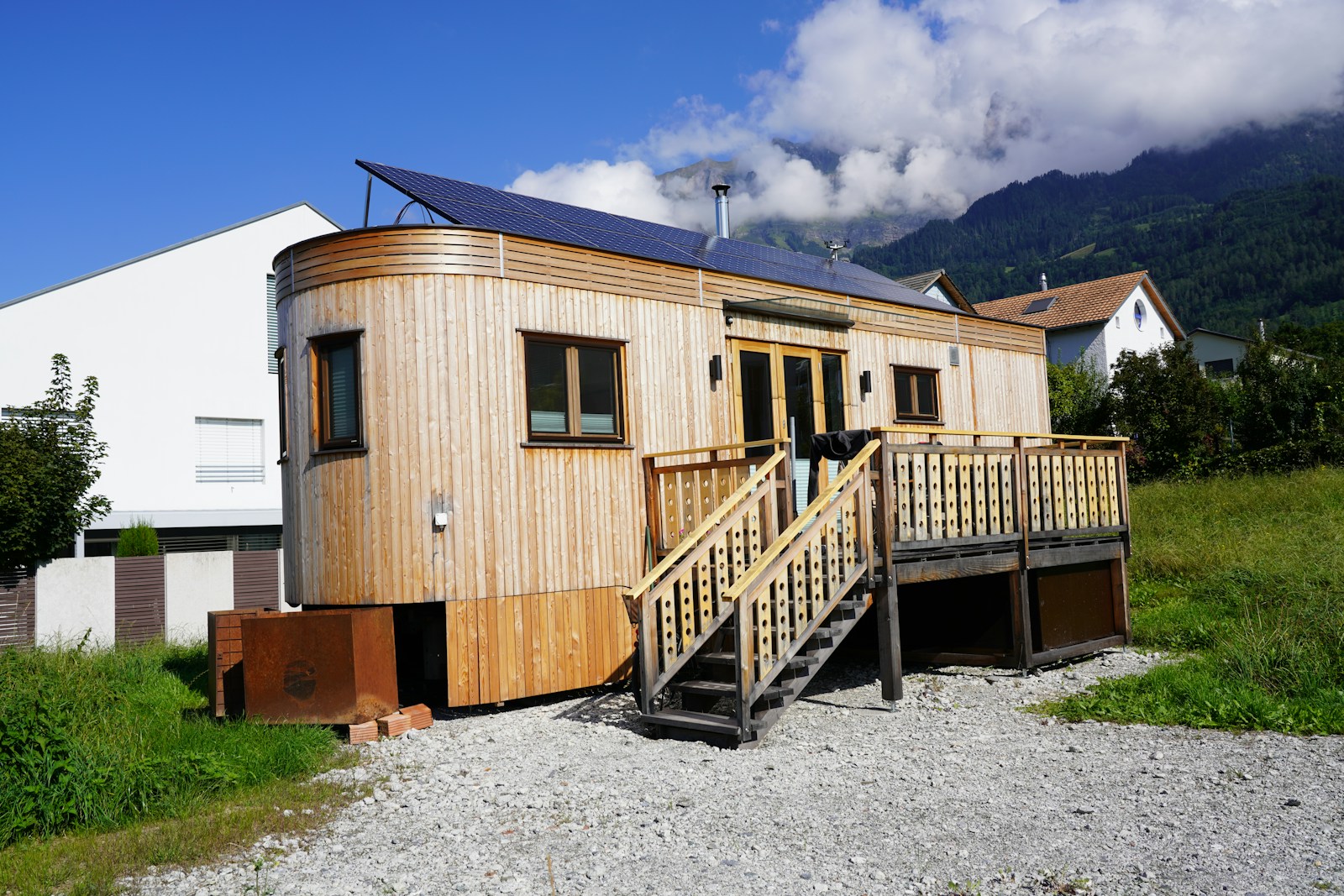
Minimalist Living: The Eco-Friendly Guide to Sustainable Downsizing
In today’s fast-paced world, many people are turning to minimalist living as a way to simplify their lives and reduce their environmental impact. Minimalism is not just about decluttering your home, it’s also about making conscious choices to live more sustainably. By downsizing and reducing your consumption, you can lower your carbon footprint and contribute to a healthier planet.
What is Minimalist Living?
Minimalist living is a lifestyle choice that focuses on simplicity, functionality, and mindfulness. It involves decluttering your space, reducing your possessions, and prioritizing quality over quantity. Minimalists strive to live with only the essentials, eliminating excess and unnecessary items that clutter their homes and lives.
Why Choose Minimalist Living?
There are many benefits to adopting a minimalist lifestyle, both for yourself and the environment. By simplifying your life and reducing your possessions, you can:
- Reduce stress and anxiety
- Save money
- Improve your mental clarity
- Increase your focus and productivity
- Lower your environmental impact
How to Embrace Minimalist Living
Here are some tips to help you transition to a minimalist lifestyle:
Declutter Your Space
Start by decluttering your home and getting rid of items you no longer use or need. Donate or sell items that are still in good condition, and recycle or repurpose items that are no longer usable.
Focus on Quality Over Quantity
When purchasing new items, focus on quality over quantity. Invest in high-quality, durable products that will last longer and reduce the need for frequent replacements.
Reduce Your Consumption
Avoid impulse buys and unnecessary purchases. Before buying something new, ask yourself if you really need it and if it aligns with your values and priorities.
Simplify Your Routine
Simplify your daily routine by eliminating unnecessary tasks and commitments. Focus on what truly matters to you and let go of activities that drain your time and energy.
The Eco-Friendly Benefits of Minimalist Living
Minimalist living is not only good for your mental health and well-being, but it’s also beneficial for the environment. By reducing your consumption and living more sustainably, you can significantly lower your carbon footprint and contribute to a healthier planet.
Reduced Waste
By owning fewer possessions and buying only what you need, you can reduce the amount of waste you produce. Minimalists prioritize quality over quantity, which means they are less likely to buy disposable or single-use items that end up in landfills.
Lower Energy Consumption
Minimalists tend to live in smaller homes with fewer appliances and electronics, which results in lower energy consumption. By downsizing and simplifying your living space, you can reduce your energy bills and minimize your impact on the environment.
Supporting Sustainable Practices
Minimalists often choose to support eco-friendly and sustainable brands that prioritize ethical production practices and use environmentally-friendly materials. By being mindful of where you shop and what you buy, you can support companies that are committed to reducing their environmental impact.
Common Questions About Minimalist Living
Is Minimalist Living Expensive?
Minimalist living doesn’t have to be expensive. In fact, adopting a minimalist lifestyle can help you save money in the long run by reducing your consumption and focusing on quality over quantity. By decluttering your space and eliminating unnecessary purchases, you can free up your finances and live more intentionally.
Can I Still Have Sentimental Items as a Minimalist?
While minimalism encourages you to declutter and simplify your space, it doesn’t mean you have to get rid of all your sentimental items. It’s okay to keep a few meaningful possessions that bring you joy and hold sentimental value. The key is to be intentional about what you keep and to avoid holding onto items out of guilt or obligation.
How Can I Maintain a Minimalist Lifestyle Long-Term?
Maintaining a minimalist lifestyle long-term requires ongoing effort and mindfulness. Regularly decluttering your space, being mindful of your purchases, and staying true to your values and priorities are key to sustaining a minimalist lifestyle. It’s important to regularly assess your belongings and habits to ensure they align with your minimalist goals.
Conclusion
Minimalist living is a sustainable and eco-friendly way to simplify your life, reduce your environmental impact, and prioritize what truly matters to you. By decluttering your space, focusing on quality over quantity, and reducing your consumption, you can lower your carbon footprint and contribute to a healthier planet. Embracing a minimalist lifestyle can lead to improved mental clarity, increased focus and productivity, and a greater sense of overall well-being. Make the conscious choice to downsize and simplify your life for a more sustainable future.