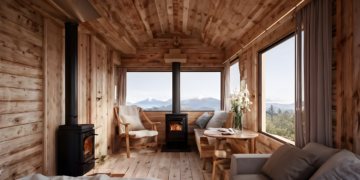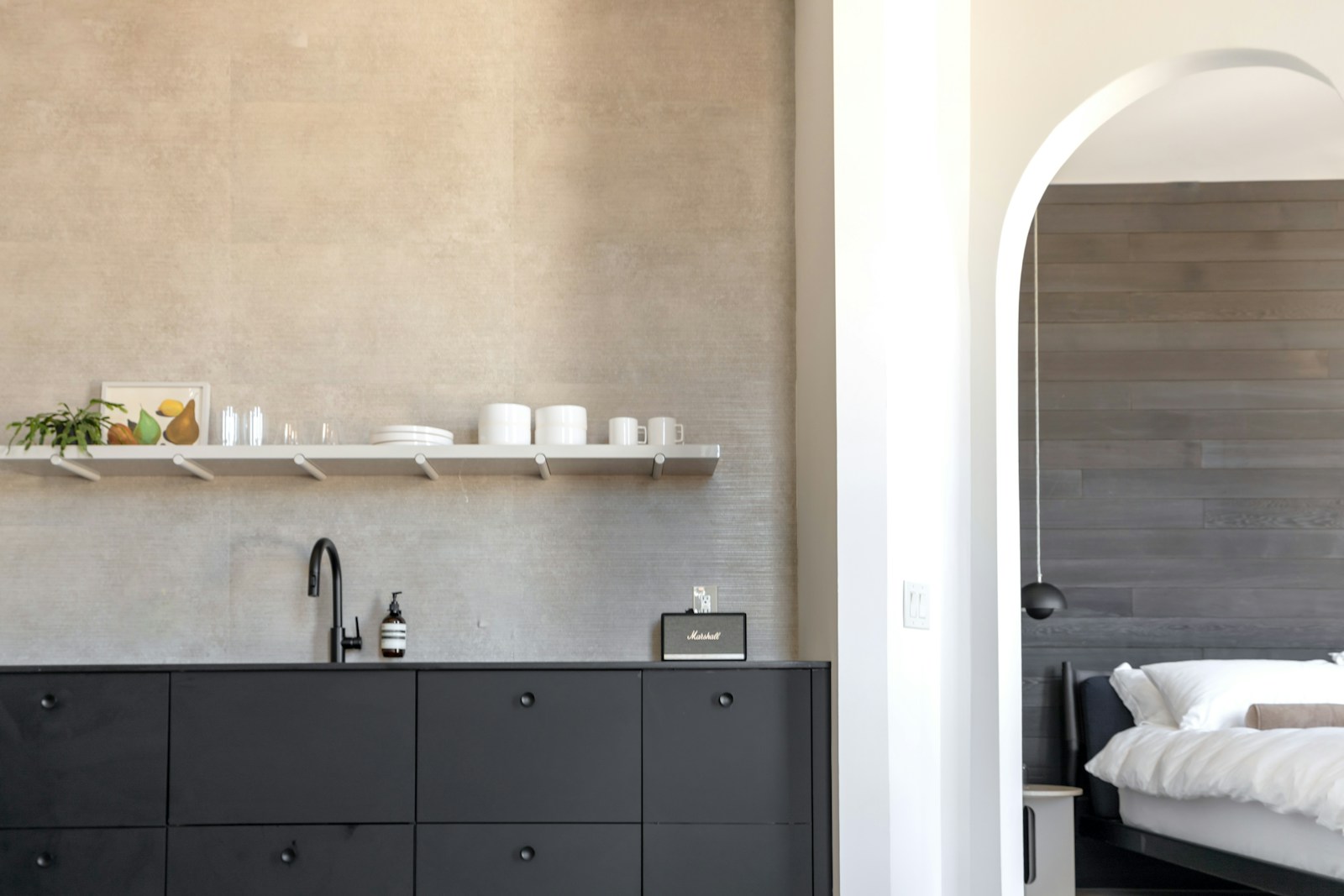
Living a minimalist lifestyle not only helps to declutter your physical space but also promotes energy efficiency in your home. By simplifying your living space and reducing unnecessary items, you can create a more sustainable and eco-friendly environment. In this article, we will discuss how to maximize energy efficiency in your home through minimalist living practices.
What is Minimalist Living?
Minimalist living is a lifestyle choice that focuses on simplicity and reducing material possessions to only the essentials. By embracing minimalism, individuals aim to declutter their physical space, streamline their belongings, and prioritize quality over quantity. This philosophy extends to various aspects of life, including home design, consumption habits, and environmental impact.
Benefits of Minimalist Living for Energy Efficiency
Embracing minimalist living can have numerous benefits for energy efficiency in your home. By reducing clutter and unnecessary items, you can create a more organized and efficient living space. Here are some of the key benefits of minimalist living for energy efficiency:
1. Reduced Energy Consumption: By simplifying your living space and eliminating unnecessary items, you can reduce the amount of energy needed to power and maintain your home. This can lead to lower energy bills and a smaller carbon footprint.
2. Improved Air Quality: Cluttered spaces can trap dust, allergens, and other pollutants, leading to poor indoor air quality. By decluttering and simplifying your living space, you can promote better air circulation and improve the overall air quality in your home.
3. Enhanced Natural Light: Minimalist living often involves removing bulky furniture and unnecessary decorations, allowing more natural light to enter your home. This can reduce the need for artificial lighting during the day and help you save on electricity costs.
4. Sustainable Materials: Minimalist living encourages the use of sustainable and eco-friendly materials in home design and decor. By opting for energy-efficient appliances, LED lighting, and natural materials, you can further reduce your environmental impact and promote sustainability.
Tips for Maximizing Energy Efficiency in Your Home
To maximize energy efficiency in your home through minimalist living, consider implementing the following tips:
1. Declutter Your Space: Start by decluttering your home and getting rid of items that you no longer need or use. Donate or recycle items that are still in good condition, and dispose of any broken or unused items responsibly.
2. Organize Efficiently: Once you have decluttered your space, organize your belongings in a way that maximizes efficiency and functionality. Use storage solutions such as bins, baskets, and shelves to keep your space tidy and clutter-free.
3. Opt for Multi-Functional Furniture: Choose furniture pieces that serve multiple purposes to maximize space and efficiency. For example, a sofa bed can provide seating during the day and a sleeping space at night, saving space and reducing the need for additional furniture.
4. Embrace Natural Light: Make the most of natural light in your home by keeping windows unobstructed and using light-colored curtains or blinds to allow sunlight to filter in. This can reduce the need for artificial lighting and lower your energy consumption.
5. Use Energy-Efficient Appliances: Invest in energy-efficient appliances that are certified by programs such as Energy Star. These appliances consume less energy and can help you save on electricity costs in the long run.
6. Unplug Electronics When Not in Use: Electronics and appliances that are plugged in but not in use can still consume energy in standby mode. Make it a habit to unplug devices when they are not in use to reduce energy waste.
Common Questions About Minimalist Living and Energy Efficiency
1. Can Minimalist Living Help Reduce Waste?
Yes, minimalist living can help reduce waste by promoting conscious consumption and minimizing the accumulation of unnecessary items. By decluttering your space and prioritizing quality over quantity, you can reduce the amount of waste generated in your home.
2. Is Minimalist Living Expensive?
Minimalist living does not have to be expensive. In fact, embracing minimalism can help you save money in the long run by reducing unnecessary purchases and focusing on quality over quantity. By investing in durable and sustainable products, you can create a minimalist living space without breaking the bank.
3. How Can I Incorporate Minimalist Living into My Home Design?
To incorporate minimalist living into your home design, start by decluttering and simplifying your space. Choose furniture and decor that serve a purpose and eliminate items that are purely decorative. Opt for neutral colors, clean lines, and natural materials to create a minimalist and timeless look.
Conclusion
Maximizing energy efficiency in your home through minimalist living is not only beneficial for the environment but also for your overall well-being. By decluttering your space, organizing efficiently, and embracing sustainable practices, you can create a more sustainable and eco-friendly living environment. Implement the tips mentioned in this article to start your journey towards a more energy-efficient and minimalist lifestyle.