Maximizing Yield, Minimizing Impact: Sustainable Farming Strategies for Small Plots
Small-scale farming presents unique challenges and opportunities for those looking to cultivate crops sustainably. With limited space and resources, it’s essential to maximize yield while minimizing environmental impact. In this article, we will explore some strategies for sustainable farming on small plots, focusing on techniques that can help you grow more food in a way that is beneficial for both the planet and your bottom line.
Utilize Intensive Planting Techniques
One of the most effective ways to maximize yield on a small plot is to utilize intensive planting techniques. This involves planting crops closer together than you would in a traditional farming setup, allowing you to grow more food in the same amount of space. Intensive planting can help you make the most of your limited land while also reducing the need for chemical inputs like pesticides and herbicides.
Some popular intensive planting techniques include square foot gardening, raised beds, and companion planting. Square foot gardening involves dividing your plot into square foot sections and planting different crops in each section. Raised beds provide better drainage and soil aeration, while companion planting involves growing different crops together to maximize space and deter pests.
Practice Crop Rotation
Crop rotation is a key strategy for sustainable farming on small plots. By rotating crops each season, you can help prevent soil depletion and reduce the risk of pests and diseases. Different plants have different nutrient requirements, so rotating crops can help ensure that your soil remains healthy and fertile over time.
When planning your crop rotation schedule, be sure to consider factors like plant families, nutrient needs, and pest cycles. For example, planting legumes like peas and beans can help fix nitrogen in the soil, while planting brassicas like broccoli and cabbage can help deter pests like cabbage worms.
Invest in Soil Health
Healthy soil is the foundation of a successful farm, especially on small plots where space is limited. Investing in soil health through practices like composting, cover cropping, and mulching can help improve fertility, water retention, and overall crop yields.
Composting is a great way to recycle organic waste and create nutrient-rich soil amendments for your farm. Cover cropping involves planting crops like clover or rye in between main crops to protect the soil from erosion and provide additional nutrients. Mulching helps retain moisture in the soil, reduce weed growth, and regulate temperature.
Use Water Efficiently
Water is a precious resource, especially for small-scale farmers who may not have access to irrigation systems. Using water efficiently is essential for maximizing yield and minimizing environmental impact on your farm.
One way to conserve water is through drip irrigation, which delivers water directly to the roots of plants where it is needed most. Mulching can also help retain moisture in the soil and reduce evaporation. Collecting rainwater in barrels or cisterns can provide a free source of water for your farm during dry periods.
Integrate Livestock into Your Farm
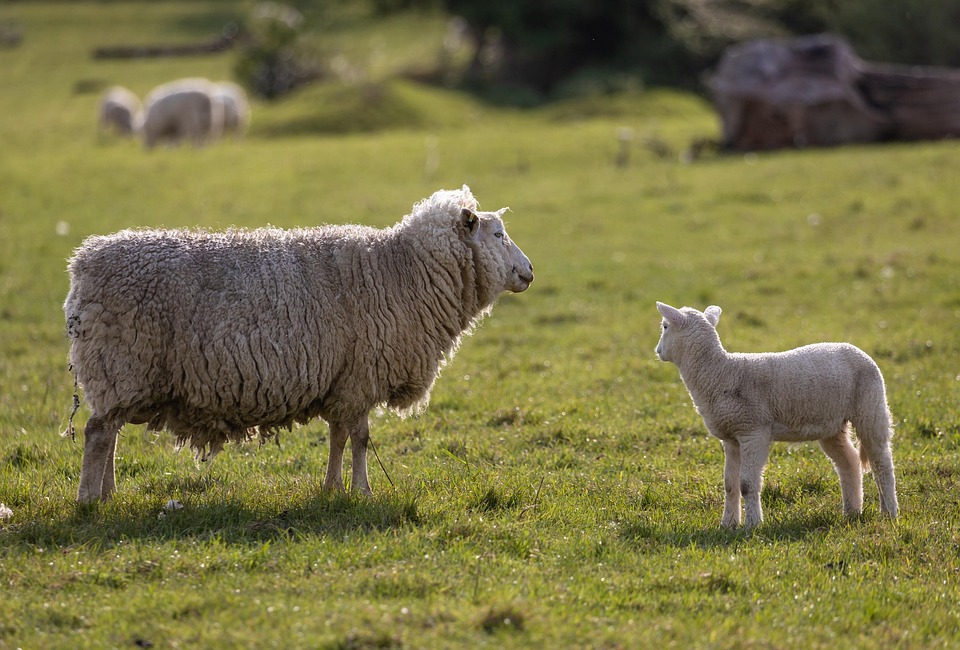
Integrating livestock into your small farm can help improve soil fertility, reduce waste, and provide additional income streams. Animals like chickens, goats, and pigs can help control pests, provide manure for composting, and even produce eggs or meat for sale.
When incorporating livestock into your farm, be sure to consider factors like space requirements, feed sources, and waste management. Rotating animals through different sections of your farm can help prevent overgrazing and allow the land to rest and regenerate.
Conclusion
Maximizing yield and minimizing impact on a small plot requires careful planning, sustainable practices, and a willingness to adapt to changing conditions. By utilizing intensive planting techniques, practicing crop rotation, investing in soil health, using water efficiently, and integrating livestock into your farm, you can grow more food in a way that is environmentally friendly and economically viable.
Ultimately, sustainable farming is about finding a balance between productivity and stewardship of the land. By implementing these strategies and staying committed to sustainability, you can create a successful and sustainable farm on even the smallest of plots.
Remember, the key to sustainable farming is to work with nature, not against it. By respecting the natural rhythms of the land and using sustainable practices, you can create a thriving farm that benefits both the environment and your community.