Maximizing Yield: Innovative Urban Farming Techniques for Small Spaces
In recent years, the popularity of urban farming has been on the rise as more people look for ways to grow their own food in limited spaces. With the increasing demand for fresh, locally grown produce, it’s essential for urban farmers to maximize their yield using innovative techniques. In this article, we will explore some creative ways to boost productivity in small urban farms.
Vertical Gardening
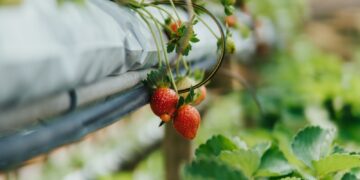
One of the most effective ways to maximize yield in a small space is through vertical gardening. By utilizing vertical structures such as trellises, walls, or hanging planters, you can grow plants upwards instead of outwards, taking advantage of unused vertical space. This technique not only increases the amount of produce you can grow in a limited area but also helps to improve air circulation and reduce the risk of pests and diseases.
Popular crops for vertical gardening include tomatoes, cucumbers, beans, and strawberries. To get started, choose a sunny spot for your vertical garden and install sturdy supports for your plants to climb. Make sure to water and fertilize regularly to ensure healthy growth.
Hydroponics
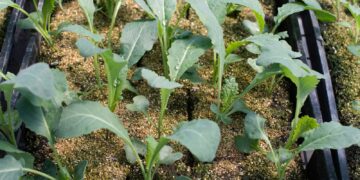
Hydroponics is a soilless growing technique that is ideal for urban farmers looking to maximize yield in limited space. By growing plants in nutrient-rich water instead of soil, hydroponic systems can produce higher yields in a shorter amount of time. This method also allows for precise control over water and nutrient levels, resulting in healthier plants and better overall productivity.
There are many different types of hydroponic systems available, including nutrient film technique (NFT), deep water culture (DWC), and aeroponics. Each system has its own advantages and disadvantages, so it’s essential to research and choose the best option for your specific needs. Popular crops for hydroponic farming include lettuce, herbs, and leafy greens.
Intensive Planting
Intensive planting is a technique that involves growing crops in close proximity to maximize space and yield. By planting crops closer together than traditional spacing, you can take advantage of every inch of available space and increase your overall productivity. This method is particularly useful for small urban farms where space is limited.
When practicing intensive planting, it’s essential to choose crops that are compatible and won’t compete for resources. Consider intercropping different plants together to maximize space and diversity. Additionally, make sure to provide adequate water, nutrients, and sunlight to support healthy growth.
Container Gardening
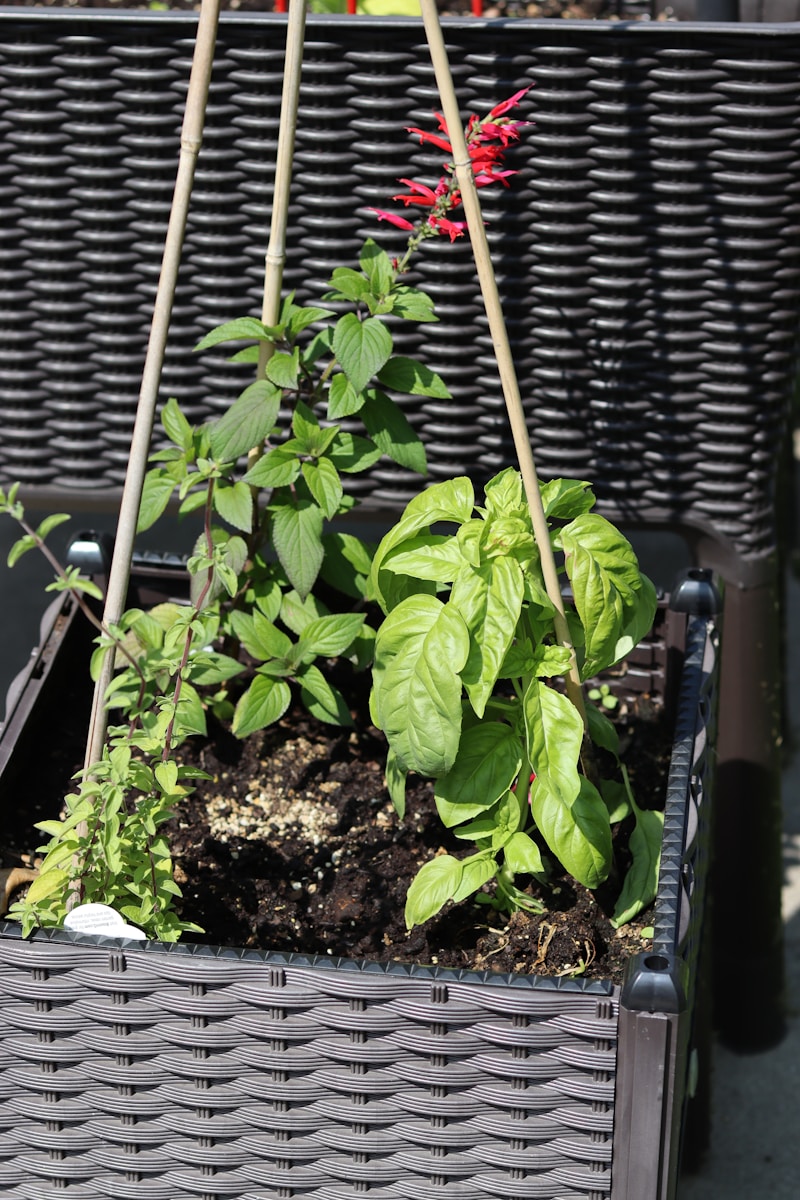
Container gardening is a popular choice for urban farmers with limited space. By growing plants in containers such as pots, buckets, or raised beds, you can create a portable and versatile growing space that can be placed on balconies, patios, or rooftops. Container gardening allows you to grow a wide variety of crops, including vegetables, herbs, and flowers, in a small area.
When choosing containers for your garden, make sure to consider factors such as drainage, size, and material. Use high-quality potting soil and fertilizer to support healthy plant growth. Remember to water regularly and monitor for signs of pests and diseases.
Companion Planting
Companion planting is a traditional gardening technique that involves planting different crops together to maximize yield and deter pests. By choosing plants that complement each other and provide mutual benefits, you can create a more productive and sustainable garden. Companion planting can help improve soil health, attract beneficial insects, and reduce the need for chemical pesticides.
Some popular companion planting combinations include tomatoes and basil, carrots and onions, and corn and beans. Research the best companion plants for your specific crops and consider incorporating them into your urban farm. Experiment with different combinations to see which ones work best for your garden.
Conclusion
Maximizing yield in a small urban farm requires creativity, innovation, and a willingness to try new techniques. By implementing vertical gardening, hydroponics, intensive planting, container gardening, and companion planting, you can boost productivity and grow a wide variety of crops in a limited space. Remember to provide adequate water, nutrients, and sunlight to support healthy plant growth. With the right strategies and a little experimentation, you can achieve a bountiful harvest in your urban farm.
Whether you’re a beginner or an experienced urban farmer, there are always new ways to maximize yield and improve productivity. Try out these innovative techniques in your small space and enjoy the benefits of fresh, locally grown produce right at your doorstep.