Maximizing Water Efficiency: A Comprehensive Guide to Implementing Drip Irrigation for Sustainable Agriculture
Water scarcity is a pressing issue affecting agriculture worldwide. With the increasing demand for food production and the limited availability of water resources, it is essential for farmers to adopt water-efficient irrigation methods to ensure sustainable agriculture. Drip irrigation is a highly effective and efficient method that can help maximize water efficiency and improve crop yields. In this comprehensive guide, we will discuss the benefits of drip irrigation, how to implement it, and common questions related to its use.
The Benefits of Drip Irrigation
Drip irrigation is a method of delivering water directly to the roots of plants through a network of tubes and emitters. This targeted approach minimizes water wastage by reducing evaporation and runoff. Some of the key benefits of drip irrigation include:
- Significant water savings: Drip irrigation can reduce water usage by up to 50% compared to traditional irrigation methods.
- Improved crop yields: By delivering water and nutrients directly to the roots, drip irrigation can help plants thrive and produce higher yields.
- Reduced weed growth: Since water is only delivered to the plants, weed growth is minimized, saving time and labor costs.
- Prevention of soil erosion: Drip irrigation helps maintain soil moisture levels, reducing the risk of erosion.
- Energy savings: Drip irrigation requires less energy to operate compared to other irrigation methods, resulting in cost savings.
How to Implement Drip Irrigation
Implementing drip irrigation on your farm is a relatively straightforward process that can be broken down into the following steps:
1. Planning and Design
Before installing a drip irrigation system, it is essential to carefully plan and design the layout to ensure optimal water distribution. Consider factors such as the type of crops grown, soil type, topography, and water source. Create a detailed plan that includes the location of the main water supply, tubing layout, and emitter placement.
2. Installation
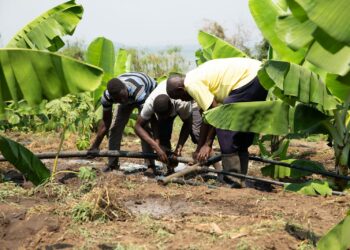
Once you have a design plan in place, it is time to install the drip irrigation system. Start by laying out the main water supply line and connecting it to the water source. Then, install the tubing and emitters according to your design plan. Make sure to secure the tubing in place to prevent damage and leaks.
3. Testing and Adjusting
After the installation is complete, test the system to ensure proper water flow and distribution. Make any necessary adjustments to the emitter spacing or water pressure to achieve optimal performance. Regularly monitor and maintain the system to prevent clogs or leaks.
Common Questions About Drip Irrigation
As with any new technology or method, there are common questions and concerns that farmers may have about drip irrigation. Here are some frequently asked questions and answers:
1. Is drip irrigation suitable for all crops?
Drip irrigation is suitable for a wide range of crops, including fruits, vegetables, and row crops. However, some crops may require specific considerations, such as spacing of emitters or water requirements. Consult with an agricultural expert to determine the best irrigation method for your specific crop.
2. How long should I run my drip irrigation system?
The duration of irrigation will depend on factors such as soil type, weather conditions, and crop water requirements. It is essential to monitor soil moisture levels and adjust the irrigation schedule accordingly. Consider using soil moisture sensors to automate irrigation and maximize water efficiency.
3. How do I prevent clogging in my drip irrigation system?
To prevent clogging in drip irrigation systems, it is essential to use high-quality filters and flush the system regularly. Install screen filters at the main water supply and add inline filters at each tubing section to remove debris. Flush the system periodically to remove sediment and prevent clogs.
4. What are the maintenance requirements for drip irrigation systems?
Maintenance of drip irrigation systems is relatively low compared to other irrigation methods. Regularly check for leaks, clogs, or damaged tubing and emitters. Clean filters and flush the system to prevent clogs. Inspect the system for wear and tear and replace any damaged components as needed.
Conclusion
Drip irrigation is a highly effective and efficient method for maximizing water efficiency in agriculture. By delivering water directly to the roots of plants, drip irrigation can help reduce water wastage, improve crop yields, and promote sustainable agriculture. By following the steps outlined in this guide and addressing common questions and concerns, farmers can successfully implement drip irrigation on their farms and reap the benefits of this innovative technology.
Remember to carefully plan and design your drip irrigation system, install it properly, and regularly monitor and maintain the system to ensure optimal performance. With the right approach and attention to detail, drip irrigation can help farmers achieve water savings, improve crop yields, and contribute to a more sustainable future for agriculture.