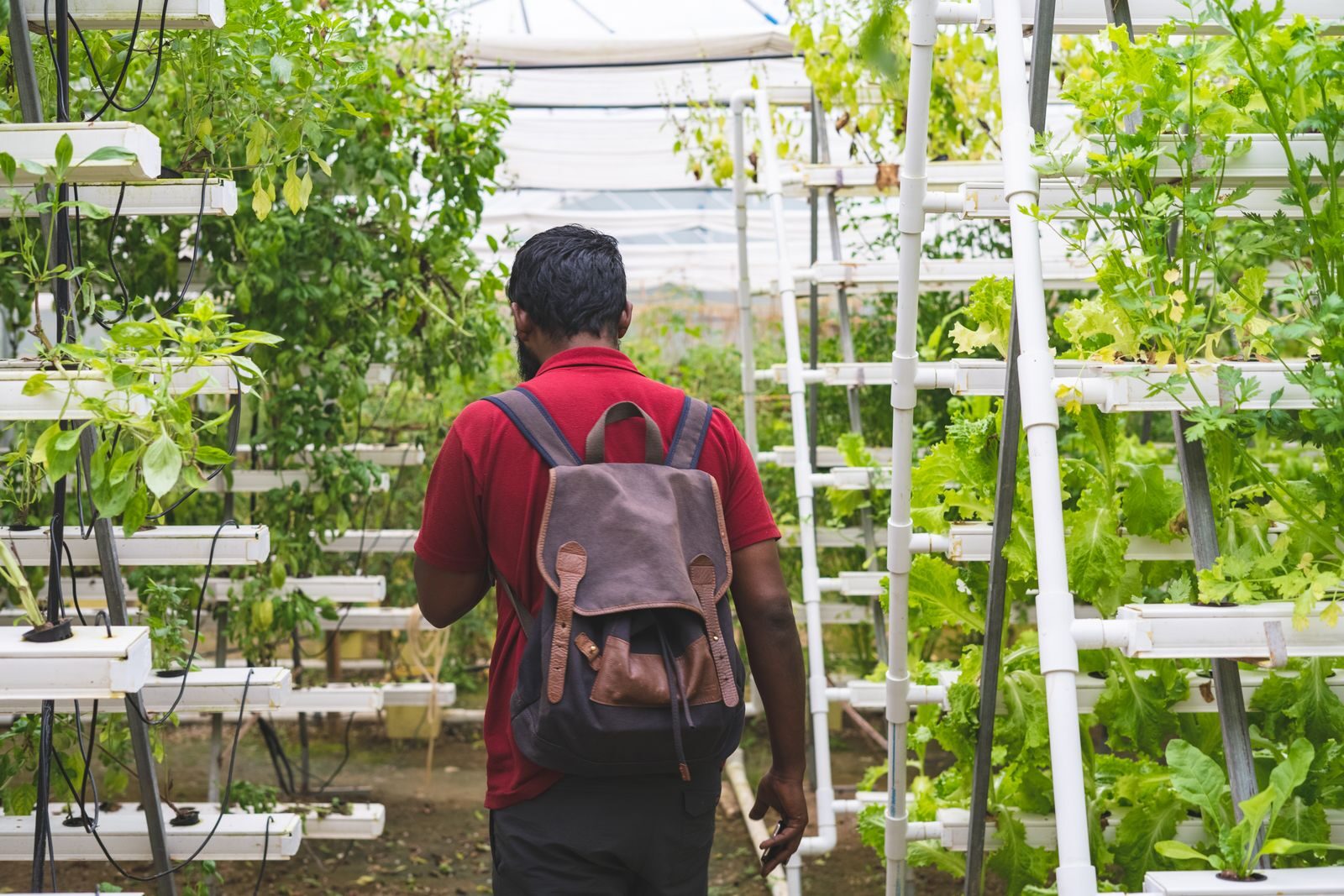
Hydroponic Harvest: A Beginner’s Guide to Thriving Gardens Without Soil
Hydroponic gardening is a revolutionary method of growing plants without soil. Instead, plants are grown in a nutrient-rich water solution that provides all the essential nutrients they need to thrive. This method of gardening has gained popularity in recent years due to its many benefits, including faster growth rates, higher yields, and the ability to grow plants in areas where traditional gardening is not possible.
What is Hydroponic Gardening?
Hydroponic gardening is a method of growing plants without soil. Instead of relying on soil to provide plants with nutrients, hydroponic gardening uses a nutrient-rich water solution to nourish plants. This method of gardening has been around for centuries, with ancient civilizations such as the Aztecs and Babylonians using hydroponic techniques to grow crops.
Benefits of Hydroponic Gardening
There are many benefits to hydroponic gardening, including:
- Faster Growth Rates: Plants grown hydroponically typically grow faster than those grown in soil.
- Higher Yields: Hydroponic gardening can produce higher yields than traditional gardening methods.
- Water Conservation: Hydroponic gardening uses significantly less water than traditional gardening methods.
- No Soil Needed: Hydroponic gardening allows you to grow plants in areas where soil is not available or not suitable for gardening.
- Less Maintenance: Hydroponic systems require less maintenance than traditional gardening methods.
Getting Started with Hydroponic Gardening
Getting started with hydroponic gardening is easier than you might think. Here are some steps to help you get started:
1. Choose a Hydroponic System
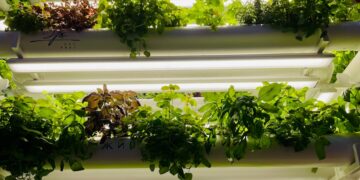
There are many different types of hydroponic systems available, including deep water culture, nutrient film technique, and drip systems. Research the different types of systems to determine which one is best for your needs.
2. Select Plants to Grow
Not all plants are suitable for hydroponic gardening. Some plants that thrive in hydroponic systems include lettuce, herbs, tomatoes, and peppers. Research the specific requirements of the plants you want to grow to ensure they will thrive in a hydroponic system.
3. Set Up Your Hydroponic System
Once you have chosen a hydroponic system and selected the plants you want to grow, it’s time to set up your system. Follow the manufacturer’s instructions for setting up your system and ensure it is properly calibrated before adding plants.
4. Monitor Nutrient Levels
One of the most important aspects of hydroponic gardening is monitoring nutrient levels. Nutrient levels can fluctuate, so it’s important to regularly check the nutrient solution and adjust as needed to ensure your plants are receiving the proper nutrients.
Common Questions About Hydroponic Gardening
1. Can I use tap water in my hydroponic system?
While tap water can be used in a hydroponic system, it’s important to consider the quality of your water. Tap water may contain chlorine or other chemicals that can harm your plants. Consider using filtered or distilled water to ensure your plants receive the cleanest water possible.
2. How often should I change the nutrient solution in my hydroponic system?
The frequency of changing the nutrient solution in your hydroponic system will depend on the type of system you are using and the plants you are growing. In general, it’s recommended to change the nutrient solution every 1-2 weeks to ensure your plants are receiving fresh nutrients.
3. Do I need special lights for my hydroponic system?
Plants grown in hydroponic systems require adequate light to thrive. While natural sunlight is ideal, many hydroponic gardeners use grow lights to provide supplemental light to their plants. LED grow lights are a popular choice for hydroponic gardening as they are energy-efficient and provide the full spectrum of light plants need to grow.
Conclusion
Hydroponic gardening is a rewarding and efficient way to grow plants without soil. By following the steps outlined in this guide and addressing common questions, you can start your own thriving hydroponic garden. With the right system, plants, and care, you can enjoy the many benefits of hydroponic gardening and harvest a bountiful crop of fresh, healthy produce.
Whether you are a seasoned gardener looking for a new challenge or a beginner interested in exploring alternative gardening methods, hydroponic gardening is a great option to consider. With the right knowledge and resources, you can create a thriving garden without soil and enjoy the many benefits that hydroponic gardening has to offer.