The Future of Food Production: Aquaponics vs. Hydroponics
As the world’s population continues to grow, the demand for sustainable food production methods is becoming increasingly important. Traditional agriculture practices are facing challenges such as water scarcity, soil depletion, and climate change. In response to these challenges, innovative farming techniques like aquaponics and hydroponics are gaining popularity for their ability to produce high yields with minimal environmental impact.
What is Aquaponics?
Aquaponics is a sustainable farming technique that combines aquaculture (the raising of fish) with hydroponics (the growing of plants in water). In an aquaponic system, fish waste provides nutrients for the plants, while the plants filter and clean the water for the fish. This symbiotic relationship creates a closed-loop system where waste is minimized, and resources are recycled efficiently.
Benefits of Aquaponics:
- Requires less water than traditional farming methods
- Eliminates the need for chemical fertilizers
- Produces two types of food (fish and plants) in one system
- Reduces environmental impact by recycling nutrients
- Can be implemented in urban areas and small spaces
What is Hydroponics?
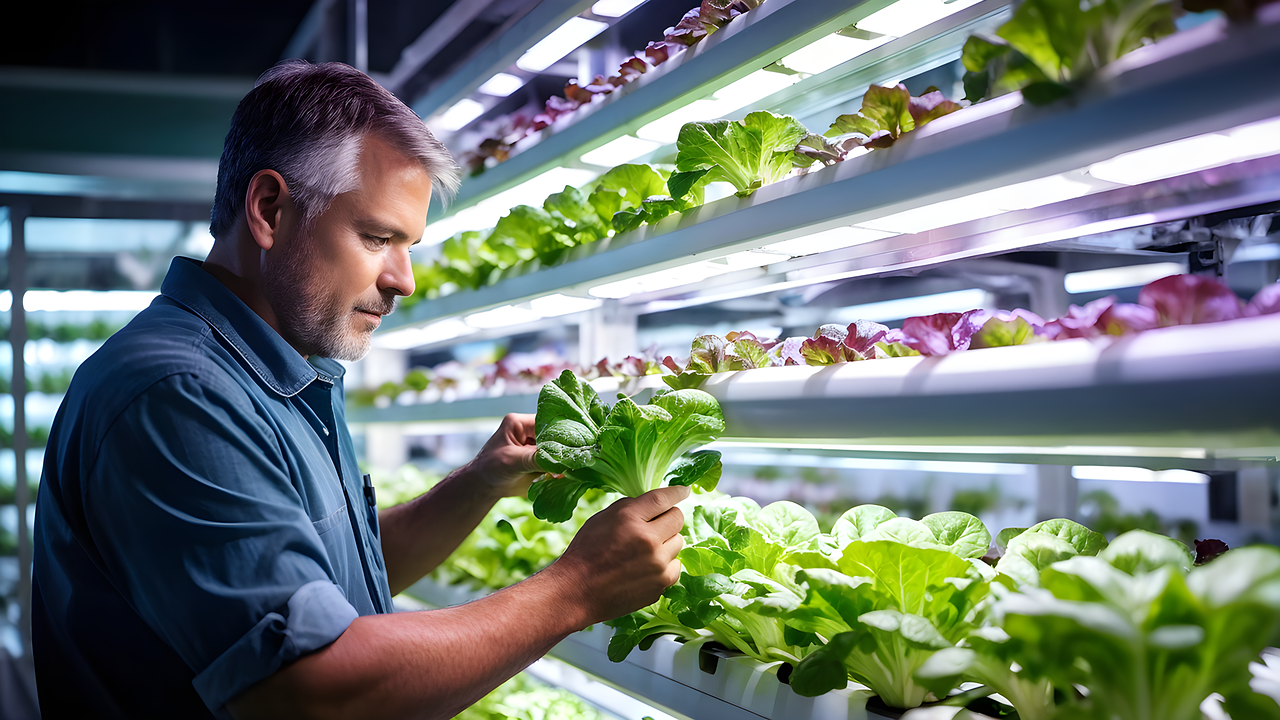
Hydroponics is a soilless farming technique that involves growing plants in a nutrient-rich water solution. The roots of the plants are submerged in the water, allowing them to absorb nutrients directly. Hydroponic systems can vary in complexity, from simple wick systems to advanced nutrient film techniques.
Benefits of Hydroponics:
- Can be implemented in areas with poor soil quality
- Increases crop yields compared to traditional farming methods
- Reduces water usage by recycling nutrient solution
- Allows for precise control over nutrient levels and pH
- Minimizes the risk of pests and diseases
Aquaponics vs. Hydroponics: A Comparison
While both aquaponics and hydroponics offer sustainable food production solutions, they have distinct differences in terms of their inputs, outputs, and maintenance requirements.
Input Requirements:
Aquaponics requires fish as an input, which adds an additional element to the system. The health and well-being of the fish must be monitored to ensure they are providing enough nutrients for the plants. Hydroponics, on the other hand, relies solely on nutrient solutions to feed the plants.
Output:
Aquaponics produces both fish and plants, providing a diverse range of food options. Hydroponics focuses solely on plant production. While aquaponics may require more maintenance due to the fish component, it offers a more holistic approach to food production.
Maintenance:
Both aquaponics and hydroponics require regular monitoring of nutrient levels, pH, and water quality. Aquaponics systems may require additional attention to the fish population, feeding schedules, and waste management. Hydroponics systems are generally easier to maintain due to their simplicity.
The Future of Food Production
As the world faces increasing challenges in food security and environmental sustainability, aquaponics and hydroponics offer promising solutions for the future of food production. These innovative farming techniques have the potential to revolutionize the way we grow food, providing a more efficient and environmentally friendly alternative to traditional agriculture.
Key Benefits of Aquaponics and Hydroponics:
- Reduce water usage and environmental impact
- Produce high yields in limited space
- Minimize the need for chemical inputs
- Provide a diverse range of food options
By embracing aquaponics and hydroponics, we can create a more sustainable and resilient food system that can feed a growing population while protecting the planet for future generations. The future of food production lies in innovative solutions like aquaponics and hydroponics, which offer a glimpse into a more sustainable and prosperous future.
Conclusion
As we look towards the future of food production, aquaponics and hydroponics stand out as promising solutions for sustainable agriculture. These innovative farming techniques offer a more efficient and environmentally friendly alternative to traditional farming methods, addressing key challenges such as water scarcity, soil depletion, and climate change. By embracing aquaponics and hydroponics, we can create a more resilient and sustainable food system that can feed a growing population while protecting the planet for future generations.