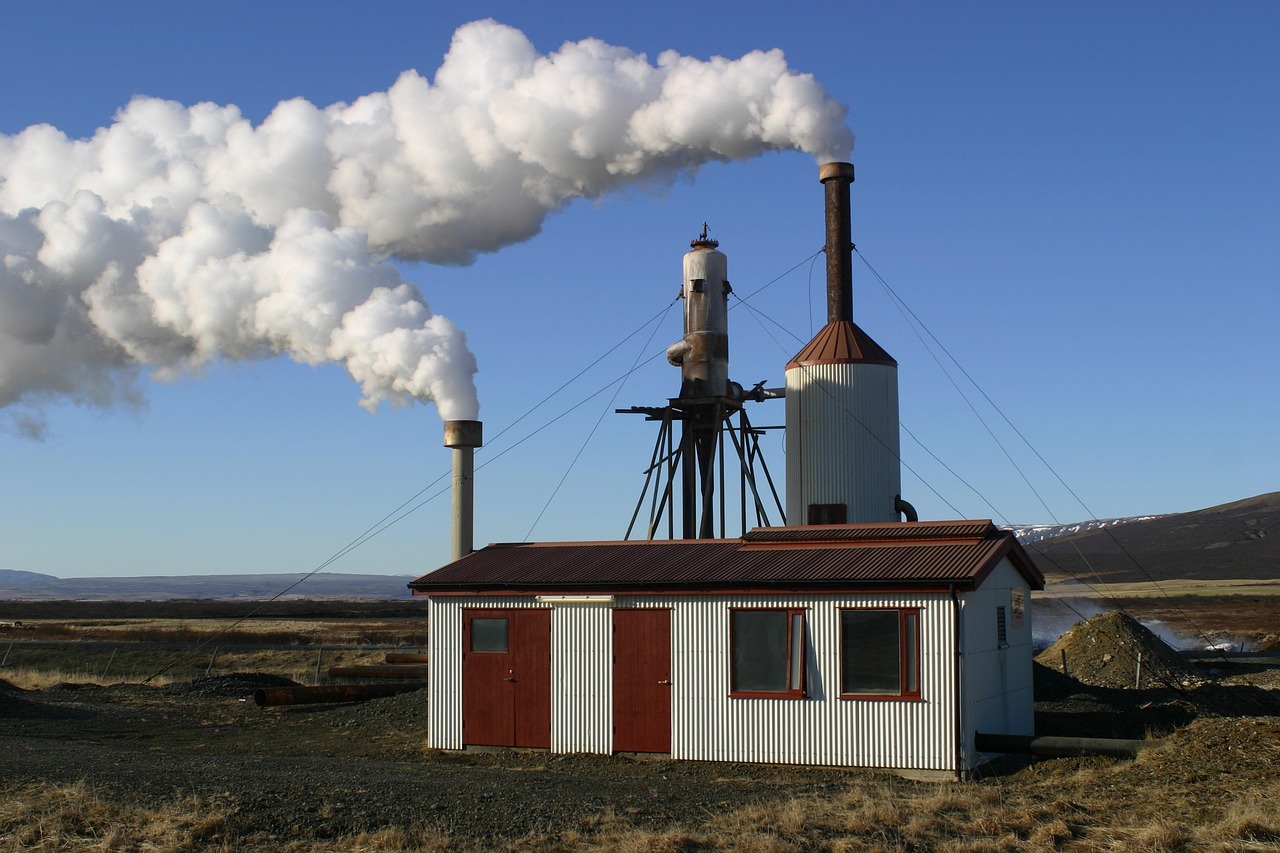
Harnessing Earth’s Power: A Guide to Using Geothermal Energy in Your Home
Geothermal energy is a renewable and sustainable source of power that is derived from the heat of the Earth’s core. This energy can be harnessed and utilized to power homes, businesses, and even entire communities. In this article, we will explore the benefits of geothermal energy and provide a comprehensive guide on how you can incorporate this eco-friendly energy source into your home.
What is Geothermal Energy?
Geothermal energy is a form of renewable energy that is derived from the heat of the Earth’s core. This heat is harnessed through a process called geothermal heating, where heat pumps are used to transfer the heat from the ground into a building. This energy can be used for heating, cooling, and even generating electricity.
The Benefits of Geothermal Energy
There are numerous benefits to utilizing geothermal energy in your home. Some of the key advantages include:
- Cost savings: Geothermal energy is a highly efficient and cost-effective source of energy, which can lead to significant savings on your energy bills.
- Environmental benefits: Geothermal energy is a clean and renewable source of power that produces no greenhouse gas emissions, making it an environmentally friendly option for homeowners.
- Reliability: Geothermal energy is a reliable source of power that can provide consistent heating and cooling throughout the year, regardless of external weather conditions.
How to Harness Geothermal Energy in Your Home
There are several ways to incorporate geothermal energy into your home. One of the most common methods is through a geothermal heat pump system, which utilizes the stable temperature of the ground to provide heating and cooling for your home. Here are the steps to harness geothermal energy in your home:
1. Conduct a Site Assessment
Before installing a geothermal heat pump system, it is important to assess your property to determine if it is suitable for geothermal energy. Factors such as soil type, land availability, and climate conditions can impact the feasibility of a geothermal system.
2. Design the System
Once you have determined that your property is suitable for geothermal energy, the next step is to design the system. This involves choosing the right type of heat pump, determining the size of the system, and planning the layout of the ground loop.
3. Install the System
The installation of a geothermal heat pump system should be done by a professional contractor who is experienced in geothermal energy. The system will involve drilling holes into the ground to install the ground loop, connecting the heat pump to the loop, and testing the system to ensure it is functioning properly.
4. Maintain the System
Once the geothermal heat pump system is installed, it is important to regularly maintain and service the system to ensure optimal performance. This includes checking the filters, inspecting the heat pump, and ensuring that the system is running efficiently.
Common Questions About Geothermal Energy
Here are some common questions about geothermal energy:
1. Is geothermal energy expensive to install?
While the upfront cost of installing a geothermal heat pump system can be higher than traditional heating and cooling systems, the long-term savings on energy bills can offset the initial investment.
2. Is geothermal energy suitable for all climates?
Geothermal energy is suitable for most climates, as the stable temperature of the ground can provide consistent heating and cooling throughout the year. However, extreme climates may require additional heating or cooling sources.
3. How long does a geothermal system last?
A well-maintained geothermal system can last for 20-25 years or more, making it a long-lasting and durable option for homeowners.
Conclusion
Geothermal energy is a renewable and sustainable source of power that can provide numerous benefits for homeowners. By harnessing the heat of the Earth’s core, you can reduce your energy bills, lower your carbon footprint, and enjoy reliable heating and cooling throughout the year. If you are considering incorporating geothermal energy into your home, be sure to conduct a site assessment, design the system properly, install the system with a professional contractor, and maintain the system regularly for optimal performance. With the right approach, you can harness Earth’s power and enjoy the benefits of geothermal energy in your home.