Harnessing Earth’s Power: A Beginner’s Guide to Geothermal Energy for Homeowners
Geothermal energy is a renewable energy source that harnesses the heat from the Earth’s core to generate electricity and heat buildings. It is a sustainable alternative to traditional fossil fuels and can help homeowners reduce their carbon footprint and save money on energy bills. In this beginner’s guide, we will explore the basics of geothermal energy and how homeowners can effectively utilize this natural resource.
What is Geothermal Energy?
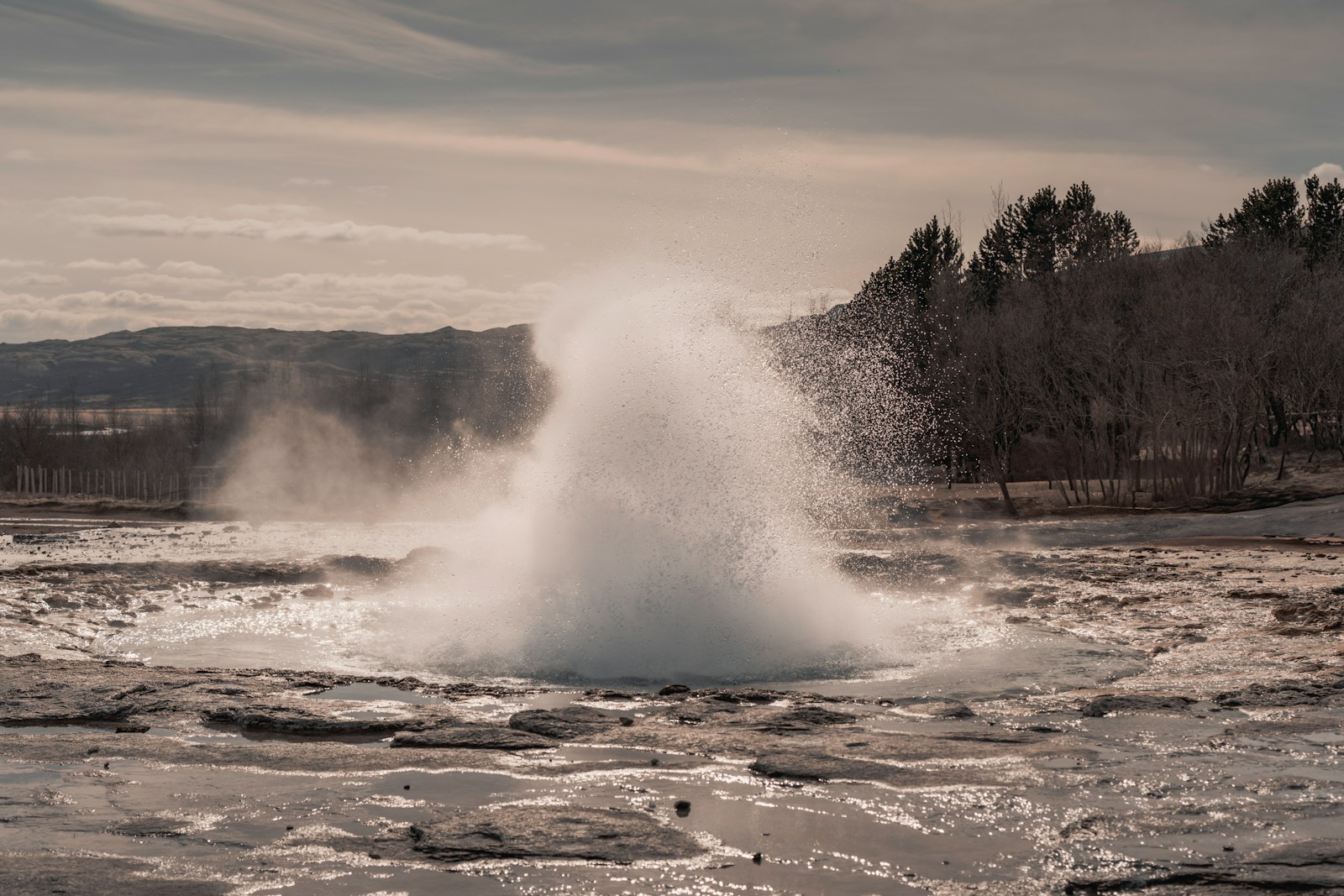
Geothermal energy is heat that is generated from the Earth’s core. This heat is continuously produced by the decay of radioactive materials in the Earth’s mantle and crust. Geothermal energy can be harnessed in different ways, including geothermal power plants that generate electricity and geothermal heat pumps that heat and cool buildings.
How Does Geothermal Energy Work?
Geothermal energy is extracted from the Earth using geothermal heat pumps. These pumps transfer heat from the ground to a building in the winter and remove heat from the building and transfer it back to the ground in the summer. Geothermal heat pumps use a closed-loop system of pipes filled with a heat-transfer fluid, typically water or antifreeze, to transfer heat to and from the Earth.
Benefits of Geothermal Energy for Homeowners
There are several benefits of using geothermal energy for homeowners, including:
- Lower energy bills: Geothermal heat pumps are highly efficient and can significantly reduce heating and cooling costs compared to traditional HVAC systems.
- Environmentally friendly: Geothermal energy is a renewable energy source that produces little to no greenhouse gas emissions, helping to reduce a homeowner’s carbon footprint.
- Long-term savings: While the upfront cost of installing a geothermal system may be higher than traditional HVAC systems, homeowners can recoup their investment through lower energy bills over time.
- Low maintenance: Geothermal heat pumps have fewer moving parts than traditional HVAC systems, resulting in lower maintenance costs and longer lifespan.
Types of Geothermal Systems for Homeowners
There are two main types of geothermal systems that homeowners can choose from:
Ground Source Heat Pump (GSHP)
A ground source heat pump uses the stable temperature of the ground to heat and cool a building. This type of system is typically installed underground and can be either horizontal or vertical depending on the space available. GSHPs are highly efficient and can provide consistent heating and cooling throughout the year.
Direct-Use Geothermal Systems
Direct-use geothermal systems utilize hot water from geothermal reservoirs to heat buildings or provide hot water for domestic use. This type of system is less common for residential use but can be a cost-effective option for homeowners in areas with access to geothermal resources.
Factors to Consider Before Installing a Geothermal System
Before installing a geothermal system in your home, there are several factors to consider:
- Geological conditions: The availability of geothermal resources in your area will determine the feasibility of installing a geothermal system.
- Space requirements: Ground source heat pumps require space for the installation of underground pipes, so it’s important to assess the available space on your property.
- Cost: While geothermal systems can save homeowners money in the long run, the upfront cost of installation can be significant. It’s important to consider your budget and financing options before investing in a geothermal system.
- Energy efficiency: Geothermal systems are highly efficient, but factors such as insulation and building design can impact the overall efficiency of the system.
Installation and Maintenance of Geothermal Systems
Installing a geothermal system in your home should be done by a qualified professional with experience in geothermal technology. The installation process involves drilling boreholes for the underground pipes, connecting the heat pump to the distribution system, and testing the system for optimal performance.
Regular maintenance of a geothermal system is essential to ensure its efficiency and longevity. This includes regular inspections, cleaning of filters and coils, and checking for any leaks or malfunctions. Most geothermal systems have a lifespan of 15-20 years with proper maintenance.
Conclusion
Geothermal energy is a sustainable and efficient alternative to traditional heating and cooling systems for homeowners. By harnessing the Earth’s natural heat, homeowners can reduce their energy bills, lower their carbon footprint, and enjoy long-term savings. Before installing a geothermal system, it’s important to consider factors such as geological conditions, space requirements, cost, and energy efficiency. With proper installation and maintenance, a geothermal system can provide reliable heating and cooling for many years to come.
Overall, geothermal energy offers a promising solution for homeowners looking to reduce their reliance on fossil fuels and embrace a more sustainable way of living.