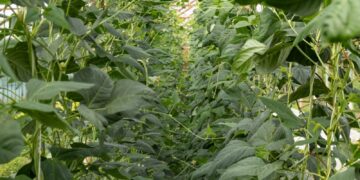
Grow Your Own Bounty: A Beginner’s Guide to Starting an Organic Vegetable Garden at Home
Are you tired of spending a fortune on organic vegetables at the grocery store? Do you want to have a bountiful harvest of fresh, healthy produce right in your own backyard? If so, starting an organic vegetable garden at home may be the perfect solution for you. Not only will you save money, but you’ll also have the satisfaction of knowing exactly where your food comes from and how it was grown.
Benefits of Organic Vegetable Gardening
There are countless benefits to growing your own organic vegetables at home. For starters, organic produce is free from harmful pesticides and chemicals that are often used in conventional farming. This means that you can enjoy fresher, healthier vegetables that are not only good for you, but also good for the environment. Additionally, growing your own vegetables can save you money in the long run, as organic produce can be quite expensive at the store.
Choosing the Right Location
Before you start your organic vegetable garden, you’ll need to choose the right location. Most vegetables require at least 6-8 hours of sunlight per day, so be sure to pick a spot in your yard that receives plenty of sun. You’ll also want to make sure that the location has good drainage, as standing water can rot the roots of your plants. Lastly, consider the proximity to a water source, as your garden will need regular watering.
Preparing the Soil
Once you’ve chosen the perfect location for your organic vegetable garden, it’s time to prepare the soil. Start by removing any weeds or debris from the area, and then loosen the soil with a shovel or fork. Next, add organic matter such as compost or aged manure to improve the soil’s fertility and structure. Mix the organic matter into the soil thoroughly, and then level the surface with a rake.
Choosing Your Vegetables
When it comes to choosing which vegetables to grow in your garden, the possibilities are endless. Consider what vegetables you enjoy eating, as well as what grows well in your climate and soil type. Some easy-to-grow vegetables for beginners include tomatoes, cucumbers, zucchini, lettuce, and peppers. Be sure to read the seed packets or plant tags for specific planting instructions and spacing requirements.
Planting Your Vegetables
Now that you’ve chosen your vegetables, it’s time to plant them in your garden. Follow the planting instructions on the seed packets or plant tags, and be sure to space your plants according to their specific requirements. Water your newly planted vegetables thoroughly, and continue to water them regularly to keep the soil moist. You may also want to consider adding a layer of mulch around your plants to help retain moisture and suppress weeds.
Caring for Your Garden
Once your organic vegetable garden is planted, it’s important to care for it properly to ensure a bountiful harvest. Be sure to water your plants regularly, especially during hot, dry weather. You may also need to fertilize your plants periodically with an organic fertilizer to provide them with essential nutrients. Keep an eye out for pests and diseases, and address any issues promptly to prevent them from spreading.
Harvesting Your Vegetables
As your vegetables begin to mature, you’ll be able to enjoy the fruits of your labor by harvesting them for fresh, delicious meals. Most vegetables are ready to harvest when they are fully ripe and have reached their desired size. Be sure to harvest your vegetables regularly to encourage continued growth and prevent them from becoming overripe. Remember, the more you harvest, the more your plants will produce!
Common Questions About Organic Vegetable Gardening
1. Can I grow organic vegetables in containers?
Yes, you can absolutely grow organic vegetables in containers. In fact, container gardening is a great option for those with limited space or poor soil quality. Just be sure to choose a large enough container for your vegetables, and use a high-quality organic potting mix to provide them with the nutrients they need.
2. How can I prevent pests in my organic vegetable garden?
There are several natural methods for preventing pests in your organic vegetable garden. You can plant companion plants that repel pests, such as marigolds or garlic. You can also use physical barriers like row covers or netting to keep pests away from your plants. Additionally, you can make homemade pest sprays using ingredients like neem oil or garlic to deter pests from your garden.
3. How often should I water my organic vegetable garden?
The frequency of watering your organic vegetable garden will depend on several factors, including the weather, the type of vegetables you’re growing, and the quality of your soil. In general, most vegetables need about 1-2 inches of water per week, either from rain or irrigation. Be sure to water your garden deeply and infrequently to encourage deep root growth and prevent water waste.
Conclusion
Starting an organic vegetable garden at home is a rewarding and fulfilling experience that can provide you with fresh, healthy produce all season long. By choosing the right location, preparing the soil, selecting your vegetables, and caring for your garden properly, you can enjoy a bountiful harvest of organic vegetables right in your own backyard. So roll up your sleeves, get your hands dirty, and start growing your own bounty today!
Remember to have patience and enjoy the process of nurturing your plants from seed to harvest. With a little time and effort, you’ll be able to reap the rewards of your hard work and enjoy the delicious taste of homegrown organic vegetables.