From Seed to Table: A Beginner’s Guide to Growing Your Own Organic Vegetable Garden at Home
Are you looking to venture into the world of gardening and grow your own organic vegetables at home? If so, you’ve come to the right place! In this comprehensive guide, we will take you through the entire process of starting a vegetable garden from seed to table. Whether you have a green thumb or are a complete novice, this guide will help you cultivate a thriving garden that will yield delicious, nutritious produce for you and your family to enjoy.
Benefits of Growing Your Own Organic Vegetable Garden
Before we dive into the nitty-gritty of gardening, let’s take a moment to explore the numerous benefits of growing your own organic vegetable garden. Not only does it allow you to have a ready supply of fresh, nutrient-rich produce at your fingertips, but it also promotes environmental sustainability, reduces your carbon footprint, and saves you money in the long run.
Choosing the Right Location
The first step in starting your vegetable garden is selecting the right location. Most vegetables thrive in full sun, so choose a spot in your yard that receives at least 6-8 hours of sunlight per day. Make sure the area has well-drained soil and is easily accessible for watering and maintenance.
Preparing the Soil
Once you’ve identified the perfect location for your garden, it’s time to prepare the soil. Start by removing any weeds, rocks, or debris from the area. Then, enrich the soil with compost or organic matter to improve its fertility and drainage. You can also perform a soil test to determine its pH level and nutrient content, allowing you to make any necessary adjustments before planting.
Choosing Your Vegetables
When selecting which vegetables to grow in your garden, consider your climate, soil type, and available space. Some beginner-friendly options include tomatoes, cucumbers, zucchini, peppers, lettuce, and carrots. Choose a variety of vegetables that you and your family enjoy eating to ensure a bountiful harvest.
Planting Seeds or Seedlings
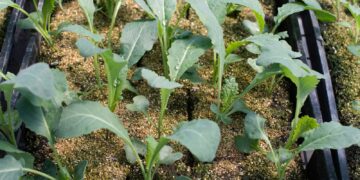
Once you’ve decided on which vegetables to grow, it’s time to plant your seeds or seedlings. Follow the instructions on the seed packet or plant tag for proper spacing, depth, and planting time. Water your seeds or seedlings regularly and keep an eye on them as they begin to sprout and grow.
Watering and Maintenance
Proper watering and maintenance are essential for the health and success of your vegetable garden. Water your plants regularly, making sure to keep the soil consistently moist but not waterlogged. Monitor for signs of pests, diseases, or nutrient deficiencies, and take prompt action to address any issues that arise.
Harvesting Your Produce
As your vegetables begin to mature, it’s time to reap the rewards of your hard work and dedication. Harvest your produce when it is ripe and ready to eat, taking care not to damage the plants or disturb their growth. Enjoy the fresh flavors of your homegrown vegetables in salads, soups, stir-fries, and more.
Troubleshooting Common Issues
Even the most experienced gardeners encounter challenges along the way. Some common issues that may arise in your vegetable garden include pests, diseases, nutrient deficiencies, and adverse weather conditions. By staying vigilant and proactive, you can minimize the impact of these problems and keep your garden thriving.
Conclusion
Growing your own organic vegetable garden at home is a rewarding and fulfilling experience that offers numerous benefits for your health, well-being, and the environment. By following the steps outlined in this guide, you can cultivate a vibrant garden that will provide you with an abundant supply of fresh, nutritious produce to enjoy throughout the growing season. So roll up your sleeves, grab your gardening tools, and get ready to embark on a journey from seed to table!