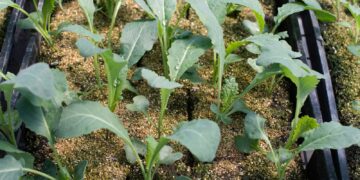
From Farm to Market: Expert Growing Tips for Local Produce Success
When it comes to growing local produce, there are a few key tips that can help to ensure success. From selecting the right crops to proper care and harvesting techniques, following expert advice can make a big difference in the quality and quantity of your harvest. In this article, we will explore some of the best practices for growing local produce and getting it to market.
Selecting the Right Crops
One of the most important steps in growing local produce is selecting the right crops to grow. Consider the climate and soil conditions in your area, as well as the market demand for certain types of produce. It’s also important to think about your own preferences and expertise when choosing which crops to grow. Some popular options for local produce include tomatoes, peppers, cucumbers, and leafy greens.
Preparing the Soil
Before planting your crops, it’s essential to prepare the soil properly. This may involve testing the soil to determine its pH levels and nutrient content, as well as adding compost or other organic matter to improve soil quality. Proper soil preparation can help to ensure that your plants have the nutrients they need to thrive and produce a bountiful harvest.
Planting and Care
When it comes to planting your crops, it’s important to follow the recommendations for spacing and depth provided on seed packets or plant labels. Proper spacing can help to prevent overcrowding and competition for resources among plants. Additionally, be sure to water your crops regularly and provide them with adequate sunlight and nutrients to support healthy growth.
Pest and Disease Management
One common challenge that growers face when growing local produce is managing pests and diseases. To prevent infestations, consider using natural pest control methods such as introducing beneficial insects or planting companion plants that repel pests. Additionally, be sure to monitor your crops regularly for signs of disease and take action promptly to prevent the spread of infections.
Harvesting and Storage
When it comes time to harvest your local produce, it’s important to do so at the peak of ripeness to ensure the best flavor and nutritional value. Different crops have different harvesting requirements, so be sure to research the best practices for each type of produce you are growing. After harvesting, store your produce in a cool, dark place to help extend its shelf life and maintain its quality.
Getting to Market
Once you have successfully grown your local produce, the next step is getting it to market. Consider selling your produce at farmers’ markets, through a CSA (Community Supported Agriculture) program, or to local restaurants and grocery stores. Be sure to price your produce competitively and market it effectively to attract customers and increase sales.
Common Questions
Here are some common questions that growers may have when it comes to growing local produce:
1. What are the best crops to grow for local markets?
Popular options for local produce include tomatoes, peppers, cucumbers, and leafy greens. Consider the climate and market demand in your area when selecting which crops to grow.
2. How can I prevent pests and diseases in my crops?
To prevent infestations, consider using natural pest control methods such as introducing beneficial insects or planting companion plants that repel pests. Monitor your crops regularly for signs of disease and take action promptly to prevent the spread of infections.
3. How should I store my harvested produce?
Store your harvested produce in a cool, dark place to help extend its shelf life and maintain its quality. Different crops have different storage requirements, so be sure to research the best practices for each type of produce you are growing.
Conclusion
Growing local produce can be a rewarding and profitable endeavor with the right knowledge and techniques. By following expert tips for selecting crops, preparing the soil, planting and caring for your crops, managing pests and diseases, harvesting and storing your produce, and getting it to market, you can increase your chances of success. Remember to stay informed about best practices and continue to learn and adapt as you grow your local produce business.
By following these expert growing tips, you can increase your chances of success and produce high-quality local produce that is in demand in your community.