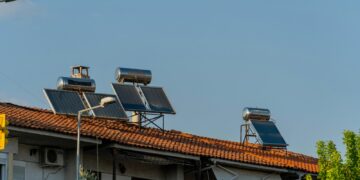
Empowering the Community: How to Launch Your Own Solar Initiative
With the increasing focus on sustainability and renewable energy, launching a solar initiative in your community can have a significant impact on both the environment and the local economy. By harnessing the power of the sun, you can reduce carbon emissions, lower energy costs, and create jobs in your area. In this article, we will discuss the steps to take in order to launch your own solar initiative and empower your community to embrace clean energy.
Why Go Solar?
There are many reasons why launching a solar initiative in your community is a smart move. Here are a few key benefits:
- Reduce carbon emissions: Solar energy is a clean, renewable source of power that produces no greenhouse gas emissions.
- Lower energy costs: By generating your own solar power, you can reduce your reliance on traditional utility companies and lower your energy bills.
- Create jobs: The solar industry is a growing field that provides opportunities for employment in installation, maintenance, and manufacturing.
Getting Started
The first step in launching your own solar initiative is to assess the feasibility of solar energy in your area. You will need to consider factors such as the amount of sunlight your location receives, the availability of suitable rooftop space for solar panels, and any local regulations or incentives for solar energy.
Assessing Solar Potential
There are several online tools available that can help you determine the solar potential of your community. These tools take into account factors such as the angle of your roof, shading from nearby trees or buildings, and the average amount of sunlight your area receives. By inputting this information, you can get a rough estimate of how much solar energy your community could potentially generate.
Calculating Costs
Once you have assessed the solar potential of your community, the next step is to calculate the costs of launching a solar initiative. This includes the cost of solar panels, inverters, mounting hardware, and installation services. You will also need to factor in any rebates, tax credits, or other incentives that may be available to help offset the upfront costs of going solar.
Building Support
Before launching your solar initiative, it is important to build support within your community. This can be done through outreach and education efforts to raise awareness about the benefits of solar energy and garner support from local residents, businesses, and government officials.
Community Outreach
Host informational meetings, workshops, or webinars to educate the community about the benefits of solar energy and how they can get involved in the initiative. You can also reach out to local media outlets to raise awareness about your project and generate interest in going solar.
Engaging Stakeholders
Engage with key stakeholders in your community, such as local government officials, utility companies, and environmental organizations. By building partnerships with these groups, you can leverage their resources and expertise to help launch and sustain your solar initiative.
Choosing a Solar Provider
When it comes to choosing a solar provider for your community initiative, there are several factors to consider. You will want to select a reputable company with a track record of successful installations and satisfied customers. It is also important to choose a provider that offers competitive pricing, quality products, and excellent customer service.
Requesting Bids
Reach out to multiple solar providers in your area and request bids for your community initiative. Compare the proposals based on factors such as pricing, warranties, installation timelines, and customer reviews. By getting multiple bids, you can ensure that you are getting the best value for your investment in solar energy.
Reviewing Contracts
Before signing a contract with a solar provider, carefully review the terms and conditions to ensure that you understand all aspects of the agreement. Make sure that the contract includes details such as the scope of work, pricing, warranties, and payment terms. If you have any questions or concerns, don’t hesitate to ask the provider for clarification.
Installing Solar Panels
Once you have selected a solar provider and signed a contract, the next step is to schedule the installation of solar panels for your community initiative. The installation process typically involves several steps, including site assessment, permitting, panel mounting, electrical wiring, and system testing.
Site Assessment
Prior to installing solar panels, a site assessment will be conducted to determine the best location for the panels on your property. Factors such as roof orientation, shading, and structural integrity will be taken into account to ensure optimal solar production.
Permitting
Obtaining the necessary permits for solar panel installation is an important step in the process. Your solar provider will handle the permitting process on your behalf, ensuring that all local regulations and building codes are met.
System Testing
Once the solar panels have been installed, the system will undergo testing to ensure that it is functioning properly and producing the expected amount of solar energy. Your solar provider will conduct performance tests to verify that the system is operating at peak efficiency.
Maintaining Your Solar System
After your solar panels have been installed, it is important to maintain your system to ensure optimal performance and longevity. Regular maintenance tasks may include cleaning the panels, inspecting for damage, monitoring energy production, and scheduling periodic inspections by a professional solar technician.
Cleaning
Regularly clean your solar panels to remove dirt, dust, and debris that can reduce their efficiency. Use a soft brush or sponge and mild detergent to gently scrub the panels, being careful not to scratch the surface. Avoid using abrasive cleaners or high-pressure water, as this can damage the panels.
Monitoring Energy Production
Keep track of your solar system’s energy production to ensure that it is meeting your expectations. Many solar providers offer monitoring services that allow you to track energy production in real-time and receive alerts if there are any issues with your system.
Conclusion
Launching a solar initiative in your community is a rewarding way to empower residents to embrace clean energy and reduce their carbon footprint. By following the steps outlined in this article, you can successfully launch your own solar initiative and make a positive impact on the environment and economy. With the right planning, support, and partnership, your community can become a shining example of sustainability and renewable energy.