Empower Your Home: Top Tips for Investing in Renewable Energy for Homeowners
With the rising costs of energy and the increasing concerns over environmental sustainability, many homeowners are turning to renewable energy sources to power their homes. Investing in renewable energy not only helps reduce your carbon footprint but can also save you money in the long run. If you’re considering making the switch to renewable energy, here are some top tips to help you get started.
1. Conduct a Home Energy Audit
Before investing in renewable energy, it’s important to first assess your current energy consumption. Conducting a home energy audit can help you identify areas where you can improve energy efficiency and reduce your overall energy usage. This can help you determine the size and type of renewable energy system that will best suit your needs.
2. Choose the Right Renewable Energy Source
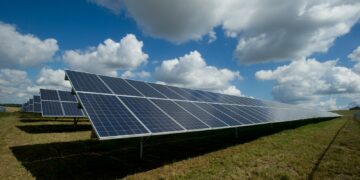
There are several renewable energy sources available for homeowners, including solar, wind, geothermal, and hydropower. Each source has its own benefits and considerations, so it’s important to research and choose the one that best fits your location, budget, and energy needs. Solar panels are one of the most popular choices for homeowners due to their affordability and accessibility.
3. Consider Incentives and Rebates
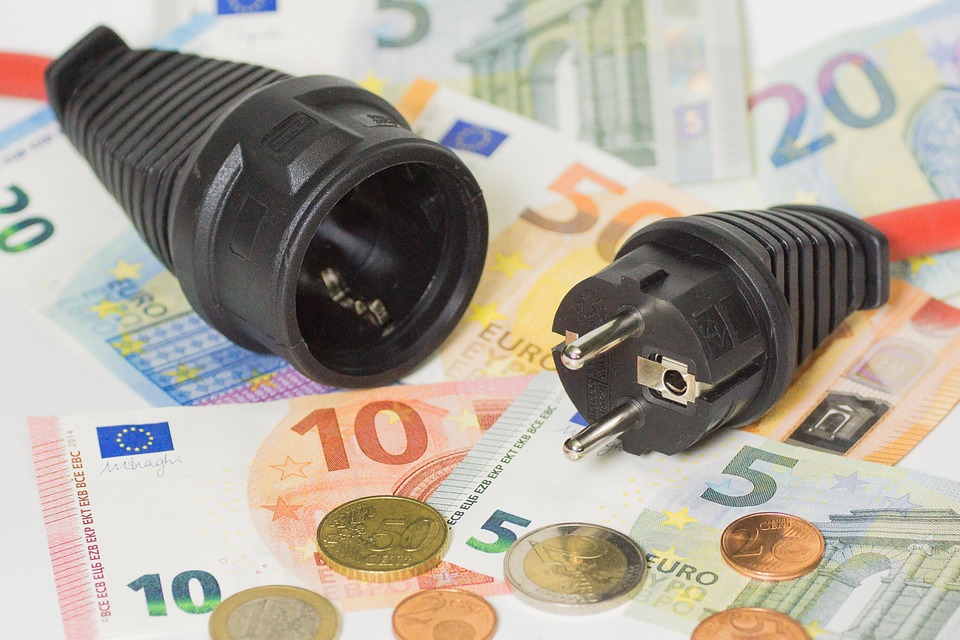
Many governments and utility companies offer incentives and rebates for homeowners who invest in renewable energy systems. These incentives can help offset the upfront costs of installation and make renewable energy more affordable for homeowners. Be sure to research available incentives in your area before making a decision.
4. Work with a Qualified Installer
Installing a renewable energy system requires specialized knowledge and expertise. It’s important to work with a qualified installer who can help you design and install a system that meets your energy needs and local regulations. Look for installers who are certified by reputable organizations such as the North American Board of Certified Energy Practitioners (NABCEP).
5. Monitor and Maintain Your System
Once your renewable energy system is installed, it’s important to monitor and maintain it regularly to ensure optimal performance. Keep track of your energy production and consumption to identify any issues or inefficiencies. Regular maintenance can help extend the lifespan of your system and maximize its energy production.
6. Consider Energy Storage
Energy storage systems, such as batteries, can help you store excess energy generated by your renewable energy system for use during times when the sun isn’t shining or the wind isn’t blowing. Energy storage can help increase the reliability and efficiency of your renewable energy system and reduce your reliance on the grid.
7. Educate Yourself and Stay Informed
Renewable energy technology is constantly evolving, so it’s important to educate yourself and stay informed about the latest advancements and trends in the industry. Joining renewable energy forums and attending workshops and conferences can help you stay up-to-date on new technologies and best practices.
8. Start Small and Scale Up
If you’re new to renewable energy, consider starting small with a smaller system and gradually scaling up as you become more comfortable and knowledgeable. This can help you learn how to effectively manage and maintain a renewable energy system before investing in a larger, more complex system.
9. Calculate Your Return on Investment
Before investing in renewable energy, it’s important to calculate your return on investment to determine how long it will take for your system to pay for itself through energy savings. Consider factors such as upfront costs, energy production, incentives, and maintenance costs to determine the financial feasibility of investing in renewable energy.
10. Share Your Experience
Once you’ve invested in renewable energy for your home, consider sharing your experience with friends, family, and neighbors. By sharing your success story and the benefits of renewable energy, you can inspire others to make the switch and help create a more sustainable future for all.
Investing in renewable energy for your home is a great way to reduce your carbon footprint, save money on energy costs, and contribute to a more sustainable future. By following these top tips, you can empower your home with renewable energy and make a positive impact on the environment.