In today’s world, the importance of renewable energy cannot be overstated. With climate change becoming an increasingly pressing issue, more and more homeowners are looking for ways to reduce their carbon footprint and save money on their energy bills. Investing in renewable energy sources for your home is a great way to achieve both of these goals. In this article, we will discuss some top renewable energy investment tips for homeowners to empower their homes and make a positive impact on the environment.
Why Invest in Renewable Energy?
Before we delve into the tips for investing in renewable energy, let’s first discuss why it is important to do so. Renewable energy sources such as solar, wind, and geothermal power are sustainable and environmentally friendly alternatives to traditional fossil fuels. By investing in renewable energy for your home, you can significantly reduce your carbon footprint and help combat climate change. Additionally, renewable energy can help you save money on your energy bills in the long run, as it can provide a reliable and cost-effective source of power for your home.
Solar Power
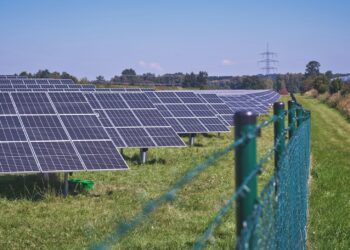
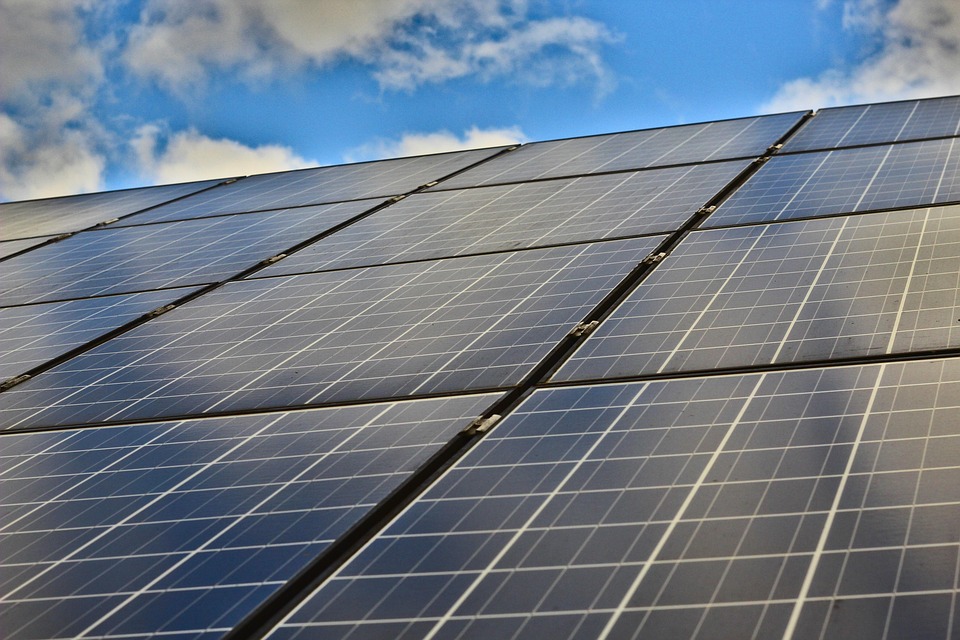
One of the most popular renewable energy sources for homeowners is solar power. Solar panels can be installed on the roof of your home to convert sunlight into electricity. This can help you reduce your reliance on the grid and lower your energy bills. When considering investing in solar power for your home, there are a few key factors to keep in mind:
1. Determine Your Energy Needs
Before installing solar panels, it is important to assess your energy needs and determine how much electricity you use on a daily basis. This will help you determine the size and number of solar panels you will need to meet your energy requirements.
2. Consider Your Roof’s Orientation and Tilt
The efficiency of your solar panels will depend on the orientation and tilt of your roof. Ideally, your roof should be facing south and have a tilt angle that matches your geographical location. This will ensure that your solar panels receive maximum sunlight throughout the day.
3. Explore Incentives and Rebates
Many governments and utility companies offer incentives and rebates for homeowners who invest in solar power. These incentives can help offset the cost of installing solar panels and make renewable energy more affordable for homeowners.
Wind Power
Another renewable energy source that homeowners can consider investing in is wind power. Wind turbines can be installed on your property to generate electricity from the wind. While wind power may not be as widely used as solar power, it can still be a viable option for homeowners looking to reduce their reliance on the grid. Here are some tips for investing in wind power for your home:
1. Assess Your Wind Resource
Before installing a wind turbine, it is important to assess the wind resource on your property. You can use an anemometer to measure the wind speed and direction at different locations on your property to determine the feasibility of installing a wind turbine.
2. Consider Zoning and Permitting Requirements
Before installing a wind turbine, you will need to check with your local zoning and permitting authorities to ensure that you comply with any regulations or restrictions. Some areas may have height restrictions or noise limits for wind turbines.
3. Evaluate the Cost and Return on Investment
Investing in a wind turbine can be a significant financial commitment, so it is important to evaluate the cost and potential return on investment before making a decision. Consider factors such as the cost of the turbine, installation, maintenance, and potential savings on your energy bills.
Geothermal Power
Geothermal power is another renewable energy source that homeowners can consider investing in. Geothermal heat pumps can be installed in your home to harness the heat from the earth’s core and provide heating and cooling for your home. Here are some tips for investing in geothermal power for your home:
1. Assess Your Property’s Suitability
Before installing a geothermal heat pump, it is important to assess your property’s suitability for geothermal energy. Factors such as soil type, land availability, and proximity to water sources can affect the feasibility of installing a geothermal system.
2. Consider the Cost and Savings Potential
While geothermal heat pumps can be more expensive to install than traditional heating and cooling systems, they can provide significant savings on your energy bills in the long run. Consider the upfront cost of installing a geothermal system and the potential savings on your energy bills to determine if it is a worthwhile investment for your home.
3. Hire a Qualified Installer
Installing a geothermal heat pump is a complex process that requires specialized knowledge and equipment. It is important to hire a qualified installer who has experience with geothermal systems to ensure that the installation is done correctly and efficiently.
Conclusion
Investing in renewable energy sources for your home is a great way to reduce your carbon footprint, save money on your energy bills, and make a positive impact on the environment. Whether you choose to invest in solar power, wind power, geothermal power, or a combination of these renewable energy sources, there are many benefits to empowering your home with clean and sustainable energy. By following the tips outlined in this article and exploring your options for renewable energy investments, you can take the first step towards creating a more sustainable and energy-efficient home.