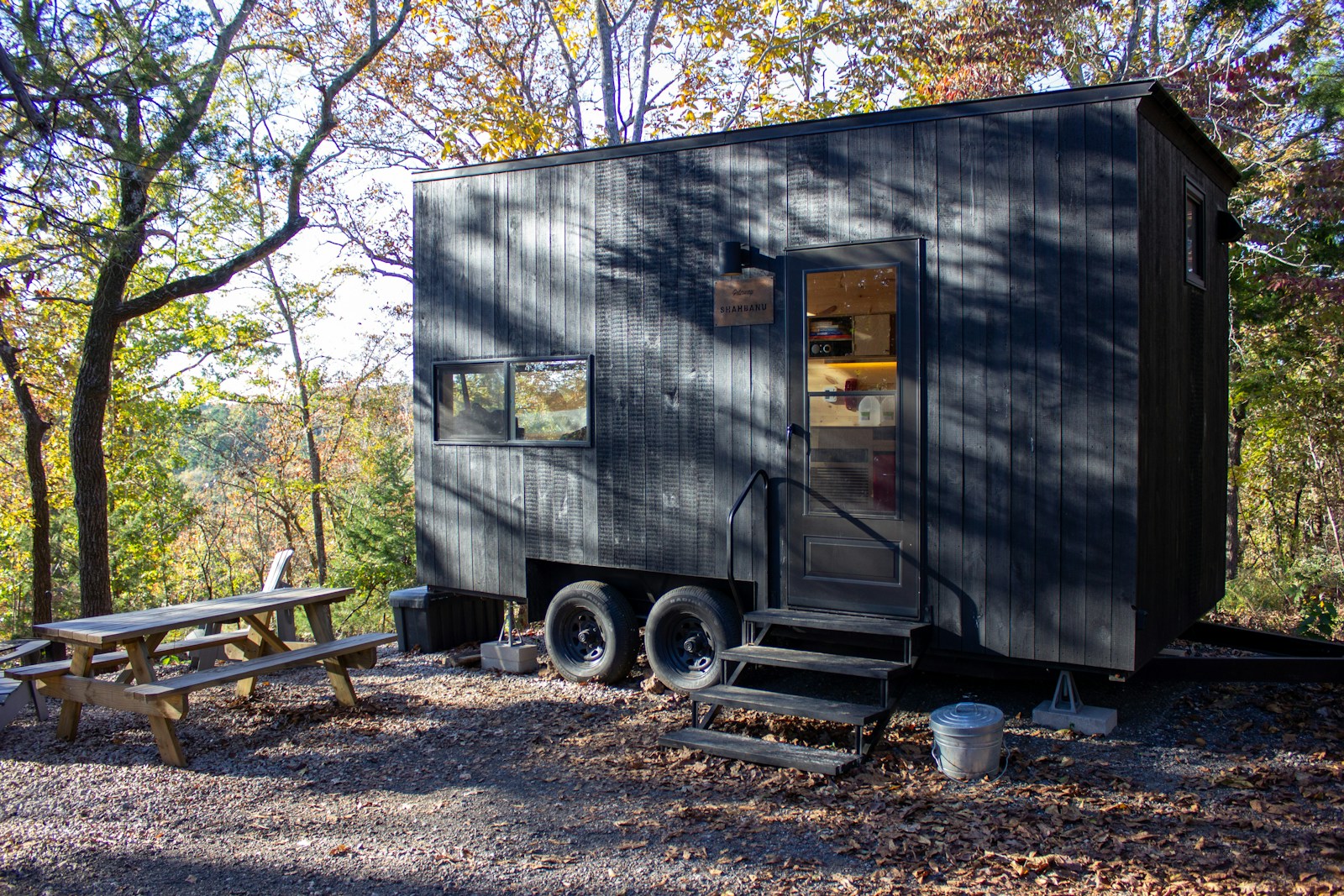
Embracing Simplicity: The Art of Off-Grid Living with Minimalist Ideals
In today’s fast-paced world, many people are seeking a simpler way of life. They are looking to disconnect from the chaos of modern society and embrace a more minimalist lifestyle. One way to achieve this is through off-grid living, where individuals live independently of public utilities and rely on sustainable sources of energy and water. This article will explore the benefits of embracing simplicity through off-grid living and how minimalist ideals can enhance this lifestyle.
What is Off-Grid Living?
Off-grid living is a lifestyle choice where individuals choose to live independently of public utilities such as electricity, water, and sewer systems. Instead, they rely on renewable energy sources such as solar panels or wind turbines for electricity, rainwater collection for water, and composting toilets for waste management. By disconnecting from the grid, off-grid living allows individuals to live more sustainably and reduce their environmental impact.
The Benefits of Off-Grid Living
There are many benefits to off-grid living, including:
- Sustainability: Off-grid living allows individuals to reduce their reliance on fossil fuels and other non-renewable resources, making it a more sustainable way of living.
- Self-sufficiency: By generating their own electricity and collecting their own water, off-grid individuals become more self-sufficient and less reliant on outside sources for their basic needs.
- Cost savings: While there is an initial investment required to set up an off-grid system, in the long run, individuals can save money on utility bills and other expenses associated with traditional living.
- Connection to nature: Off-grid living allows individuals to connect with nature on a deeper level, appreciating the natural beauty of their surroundings and living in harmony with the environment.
Minimalist Ideals in Off-Grid Living
Minimalism is a philosophy that emphasizes living with less and focusing on what truly matters. This philosophy aligns well with off-grid living, as individuals must simplify their lives in order to thrive in a self-sufficient environment. By embracing minimalist ideals in off-grid living, individuals can:
- Reduce clutter: By living in a smaller space and owning fewer possessions, individuals can reduce clutter and create a more peaceful living environment.
- Focus on experiences over things: Minimalism encourages individuals to prioritize experiences and relationships over material possessions, leading to a more fulfilling and meaningful life.
- Embrace sustainability: Minimalism and off-grid living go hand in hand, as both philosophies promote sustainable living practices and a reduced environmental footprint.
Common Questions About Off-Grid Living
Here are some common questions about off-grid living:
1. Is off-grid living legal?
Off-grid living is legal in most areas, but there may be zoning regulations or building codes that individuals must adhere to. It’s important to research the laws and regulations in your area before embarking on an off-grid lifestyle.
2. How do off-grid individuals access basic amenities such as healthcare and groceries?
Off-grid individuals can access basic amenities by living in close proximity to towns or cities where healthcare facilities and grocery stores are available. Many off-grid communities also have shared resources such as community gardens and healthcare clinics.
3. What are the challenges of off-grid living?
Some challenges of off-grid living include the initial cost of setting up an off-grid system, the need for regular maintenance of renewable energy sources, and the potential for isolation from mainstream society. However, many off-grid individuals find these challenges to be outweighed by the benefits of living a simpler, more sustainable lifestyle.
Conclusion
Off-grid living offers a unique opportunity to embrace simplicity and minimalist ideals in a world that is often characterized by excess and consumerism. By disconnecting from the grid and living independently of public utilities, individuals can reduce their environmental footprint, save money, and connect with nature on a deeper level. By integrating minimalist ideals into off-grid living, individuals can further simplify their lives and focus on what truly matters. Whether you are considering off-grid living as a lifestyle choice or simply looking to incorporate more minimalist practices into your daily life, embracing simplicity can lead to a more fulfilling and meaningful existence.