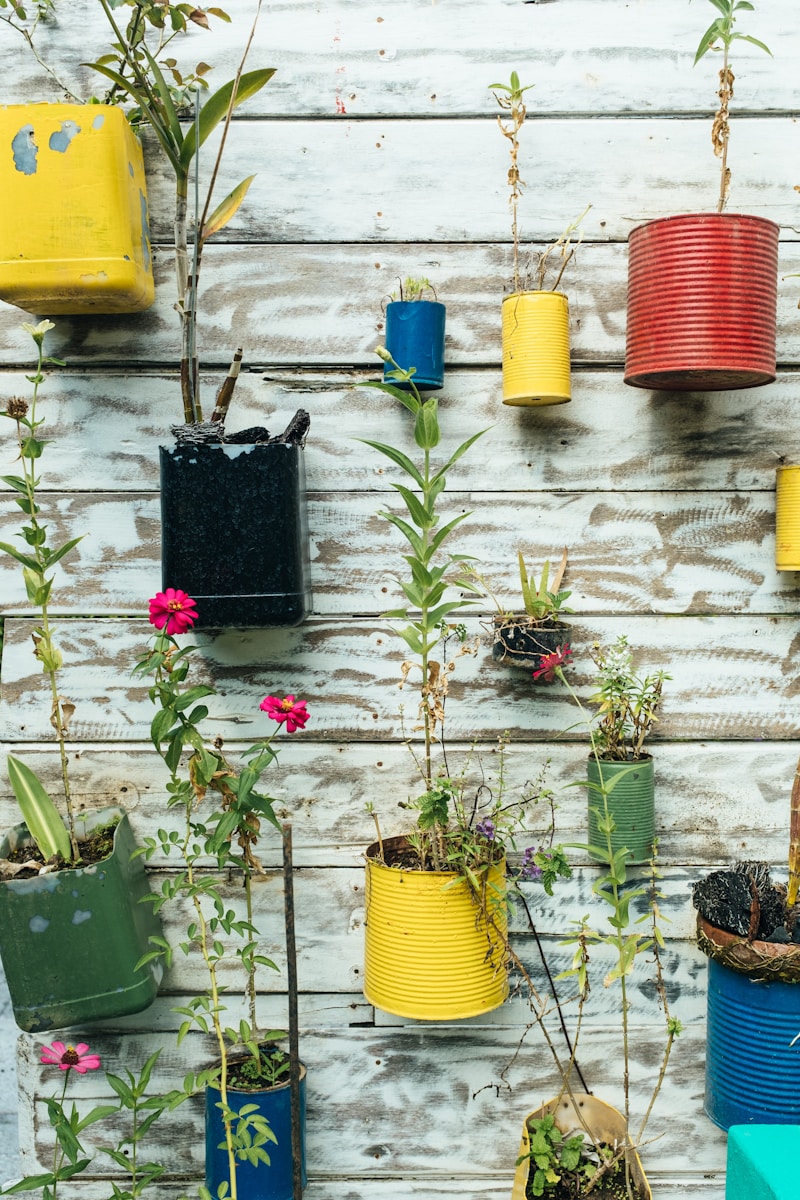
Living a more sustainable lifestyle doesn’t have to be difficult or overwhelming. In fact, there are many easy eco-living tips that beginners can implement to reduce their environmental impact and live more responsibly. From making simple swaps in your daily routine to adopting eco-friendly habits, there are plenty of ways to make a positive difference for the planet. In this article, we will explore some simple sustainable tips for beginners to help you get started on your eco-friendly journey.
Reduce, Reuse, Recycle
One of the easiest ways to live a more sustainable lifestyle is to follow the mantra of “reduce, reuse, recycle.” By reducing your consumption of single-use items, reusing items whenever possible, and recycling materials that can be repurposed, you can significantly reduce your environmental footprint. Start by being mindful of the products you buy and opting for items with minimal packaging or packaging that is recyclable. When shopping, bring your own reusable bags and containers to avoid using plastic bags or containers. Additionally, try to repair items that are broken instead of throwing them away, and donate or sell items that you no longer need rather than tossing them in the trash.
Conserve Energy
Another important aspect of eco-living is conserving energy. By reducing your energy consumption, you can lower your carbon footprint and save money on your utility bills. There are many simple ways to conserve energy in your home, such as turning off lights and electronics when not in use, using energy-efficient appliances, and adjusting your thermostat to reduce heating and cooling costs. Additionally, consider investing in renewable energy sources, such as solar panels or wind turbines, to further reduce your reliance on fossil fuels.
Choose Sustainable Products
When shopping for everyday items, opt for products that are made from sustainable materials and produced in an environmentally-friendly manner. Look for items that are certified organic, Fair Trade, or cruelty-free, as these products are typically more eco-friendly than conventional alternatives. Additionally, choose products that are made from recycled materials or can be easily recycled at the end of their life cycle. By supporting companies that prioritize sustainability, you can help drive positive change in the marketplace and encourage more responsible production and consumption practices.
Eat a Plant-Based Diet
One of the most impactful ways to reduce your environmental impact is to adopt a plant-based diet. Animal agriculture is a major contributor to greenhouse gas emissions, deforestation, and water pollution, so reducing your consumption of meat and dairy products can significantly lower your carbon footprint. Try incorporating more plant-based foods into your meals, such as fruits, vegetables, legumes, and whole grains, and experiment with plant-based alternatives to meat and dairy products. Not only is a plant-based diet better for the planet, but it can also improve your health and support animal welfare.
Practice Water Conservation
Water is a precious resource that is essential for life, so it is important to conserve water whenever possible. Simple steps like fixing leaks, taking shorter showers, and using water-efficient appliances can help reduce your water usage and protect this valuable resource. Additionally, consider harvesting rainwater for watering plants or flushing toilets, and install low-flow fixtures in your home to further reduce water waste. By being mindful of your water consumption and making small changes in your daily routine, you can help preserve water for future generations.
Support Local and Sustainable Agriculture
When shopping for groceries, try to buy locally grown and organic produce whenever possible. Supporting local farmers and sustainable agriculture practices helps reduce the environmental impact of food production and supports the local economy. Look for farmers markets, co-ops, and community-supported agriculture (CSA) programs in your area to find fresh, seasonal produce that is grown in a sustainable and eco-friendly manner. By choosing locally sourced foods, you can reduce the carbon footprint of your meals and enjoy fresher, healthier ingredients.
Reduce Waste
One of the biggest challenges facing the planet is the amount of waste that is generated every day. To reduce your contribution to this problem, try to minimize your waste by avoiding single-use items, buying in bulk, and composting organic materials. Use reusable containers for food storage and packing lunches, and bring your own reusable utensils and straws when eating out. Additionally, try to buy products with minimal or recyclable packaging, and find creative ways to repurpose items that would otherwise be thrown away. By being mindful of your waste production and making conscious choices to reduce, reuse, and recycle, you can help minimize the impact of your lifestyle on the environment.
Get Involved in Your Community
One of the best ways to make a positive impact on the environment is to get involved in your community and support local sustainability initiatives. Join a community garden, volunteer for environmental clean-up projects, or participate in local advocacy efforts to promote eco-friendly policies and practices. By working together with your neighbors and community members, you can amplify your impact and create positive change on a larger scale. Additionally, consider attending local events and workshops on sustainability topics to learn more about eco-friendly practices and connect with like-minded individuals who share your passion for the planet.
Conclusion
Living a more sustainable lifestyle is not only good for the planet, but it can also improve your quality of life and save you money in the long run. By following these simple sustainable tips for beginners, you can reduce your environmental impact, support eco-friendly practices, and inspire others to join you on the journey to a more sustainable future. Remember that every small change you make can have a big impact, so start implementing these tips today and make a positive difference for the planet. Together, we can create a more sustainable world for future generations to enjoy.