Cultivating Diversity: The Key to Sustainable Farming Practices and Biodiversity Preservation
As the world’s population continues to grow, the demand for food is increasing at an unprecedented rate. In order to meet this demand, many farmers have turned to industrialized farming practices that prioritize high yields and monoculture crops. While this may seem like a practical solution to feeding a growing population, it comes with a host of negative consequences for the environment, human health, and biodiversity.
The Problem with Monoculture Farming
Monoculture farming is the practice of growing a single crop on a large scale. While this may seem efficient in terms of maximizing yields, it actually depletes the soil of essential nutrients, increases the risk of pest infestations, and contributes to the loss of biodiversity. When farmers rely on a single crop, they are essentially putting all of their eggs in one basket. If a disease or pest were to wipe out that crop, the entire harvest would be lost.
Soil Degradation
One of the biggest issues with monoculture farming is soil degradation. When the same crop is planted year after year, the soil becomes depleted of essential nutrients. This leads to decreased fertility, which in turn requires farmers to use more chemical fertilizers to maintain yields. These fertilizers can leach into nearby water sources, causing pollution and harming aquatic ecosystems.
Pest Infestations
Monoculture crops are also more susceptible to pest infestations. When a single crop is grown over a large area, pests have a field day as they can easily find their preferred food source. This leads to farmers having to use more pesticides to control pests, which can have negative impacts on human health and the environment. Additionally, pesticides can kill off beneficial insects, leading to further imbalances in the ecosystem.
The Benefits of Crop Diversity
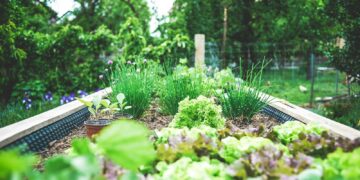
On the other hand, cultivating diversity on the farm can have a host of benefits for both the environment and the farmer. By planting a variety of crops, farmers can improve soil health, reduce the risk of pest infestations, and promote biodiversity. Crop diversity also helps to ensure food security, as a diverse range of crops can better withstand changing environmental conditions.
Soil Health
When farmers plant a variety of crops, they can improve soil health by rotating crops that have different nutrient needs. For example, legumes can fix nitrogen in the soil, reducing the need for synthetic fertilizers. Additionally, diverse crop rotations can help break pest cycles, reducing the need for chemical pesticides.
Biodiversity Preservation
By cultivating diversity on the farm, farmers can also help preserve biodiversity. When a variety of crops are planted, it provides habitat for a diverse range of insects, birds, and other wildlife. This helps to create a more balanced ecosystem where natural predators can help control pest populations, reducing the need for chemical pesticides.
Practical Steps for Cultivating Diversity on the Farm
There are a number of practical steps that farmers can take to cultivate diversity on their farms and promote sustainable farming practices. Some of these include:
1. Crop Rotation
Rotate crops to improve soil health and break pest cycles. By planting different crops each season, farmers can reduce the build-up of pests and diseases in the soil, leading to healthier crops.
2. Intercropping
Planting different crops together in the same field can help improve soil health, reduce pest infestations, and promote biodiversity. For example, planting a legume crop with a cereal crop can help fix nitrogen in the soil and improve overall yields.
3. Agroforestry
Integrating trees and shrubs into agricultural landscapes can help improve soil health, provide habitat for wildlife, and sequester carbon. Agroforestry systems can also help improve water retention in the soil, reducing the risk of erosion and nutrient runoff.
Common Questions About Cultivating Diversity on the Farm
Q: Won’t cultivating diversity on the farm require more labor and resources?
A: While it’s true that transitioning to a more diverse farming system may require some initial investment in terms of labor and resources, the long-term benefits far outweigh the costs. By improving soil health, reducing the risk of pest infestations, and promoting biodiversity, farmers can ultimately reduce their reliance on synthetic inputs and improve overall yields.
Q: How can farmers transition to a more diverse farming system?
A: Farmers can start by gradually implementing practices such as crop rotation, intercropping, and agroforestry. By experimenting with different crops and techniques, farmers can find what works best for their specific farm and climate conditions. There are also a number of resources available, such as extension services and agricultural organizations, that can provide support and guidance for transitioning to a more sustainable farming system.
Conclusion
Cultivating diversity on the farm is not only beneficial for the environment and biodiversity, but also for the farmer’s bottom line. By improving soil health, reducing the risk of pest infestations, and promoting biodiversity, farmers can create a more resilient and sustainable farming system that can withstand the challenges of a changing climate. By implementing practices such as crop rotation, intercropping, and agroforestry, farmers can help preserve biodiversity, improve soil health, and promote sustainable farming practices for future generations.
Overall, cultivating diversity on the farm is the key to sustainable farming practices and biodiversity preservation. By taking steps to promote crop diversity, farmers can improve soil health, reduce the risk of pest infestations, and promote biodiversity. This not only benefits the environment and wildlife, but also ensures food security and resilience in the face of a changing climate. By working together to promote diversity on the farm, we can create a more sustainable and resilient agricultural system for generations to come.