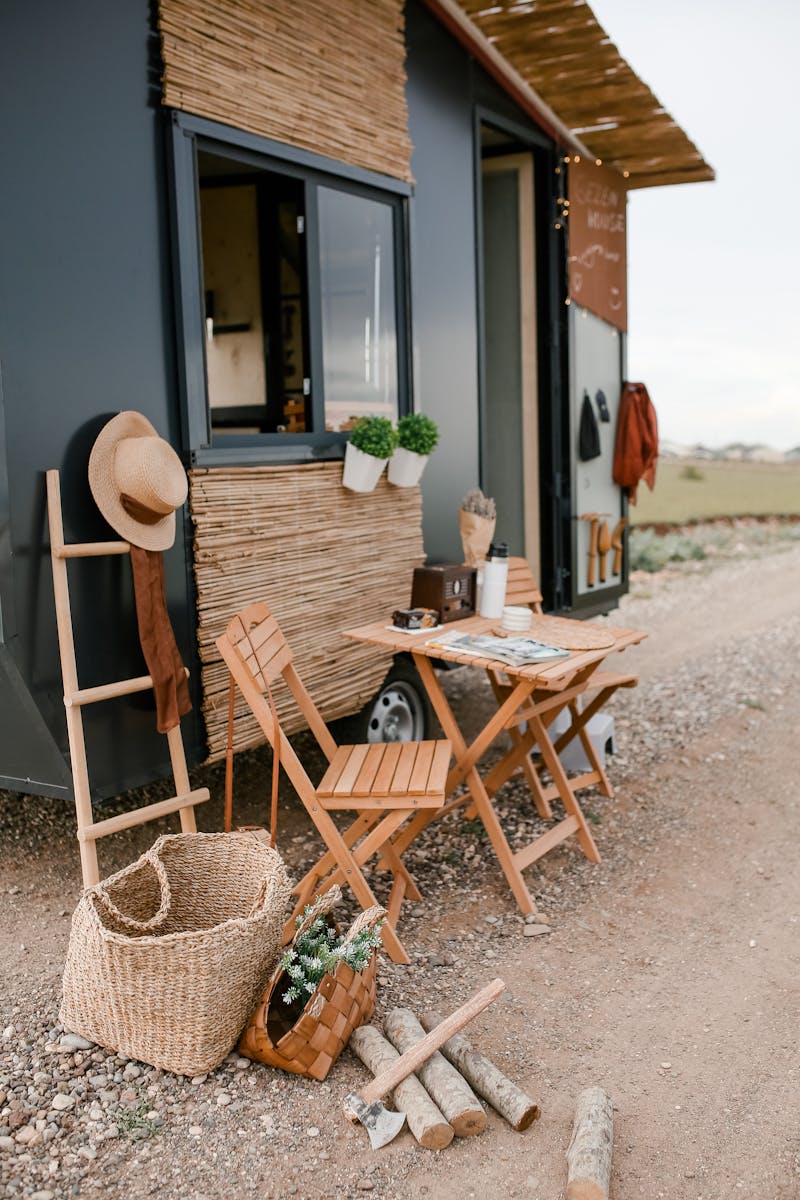
Crafting a Green Oasis: The Ultimate Guide to Building a Sustainable Tiny Home
Living in a tiny home has become an increasingly popular choice for those looking to downsize, simplify their lives, and reduce their carbon footprint. With the rising awareness of environmental issues, more people are turning to sustainable living practices, and tiny homes are a great way to achieve this goal. In this ultimate guide, we will explore the steps to building a sustainable tiny home that not only minimizes your impact on the environment but also provides a comfortable and eco-friendly living space.
Why Choose a Tiny Home?
There are several reasons why people choose to live in tiny homes. One of the main benefits is the reduced environmental impact. Tiny homes require less energy to heat and cool, use fewer resources in construction, and produce less waste. By living in a tiny home, you can significantly lower your carbon footprint and contribute to a more sustainable way of living.
Another reason to choose a tiny home is the financial savings. Tiny homes are much more affordable than traditional homes, both in terms of construction costs and ongoing maintenance. With lower utility bills and less space to furnish, tiny homes offer a more budget-friendly living option.
Designing Your Sustainable Tiny Home
When designing your sustainable tiny home, there are several key factors to consider. First and foremost, you will want to focus on energy efficiency. This includes choosing high-quality insulation, energy-efficient appliances, and incorporating passive solar design principles to maximize natural light and heat.
Additionally, you should think about the materials you use in construction. Opt for sustainable, non-toxic materials that are locally sourced whenever possible. Consider using reclaimed wood, bamboo flooring, and recycled glass countertops to reduce your environmental impact.
Key Considerations for Sustainable Tiny Home Design:
- Energy efficiency
- Use of sustainable materials
- Passive solar design
- Water conservation
- Indoor air quality
Building Your Sustainable Tiny Home
When it comes to building your sustainable tiny home, there are a few different options to consider. You can choose to build it yourself, hire a contractor, or purchase a pre-built tiny home. If you decide to build it yourself, be sure to do your research and consult with professionals to ensure that your home is structurally sound and meets all building codes.
If you opt to hire a contractor, make sure to select one who has experience with sustainable building practices and understands your vision for a green home. They can help you navigate the construction process and ensure that your tiny home is built to the highest standards of sustainability.
DIY vs. Hiring a Contractor
Building a tiny home yourself can be a rewarding experience, but it requires a significant amount of time, effort, and expertise. Hiring a contractor can save you time and ensure that your home is built to professional standards. Consider your skills, budget, and timeline when deciding which option is best for you.
Living Sustainably in Your Tiny Home
Once your sustainable tiny home is built, it’s important to continue practicing eco-friendly habits to minimize your impact on the environment. This includes reducing energy consumption, conserving water, and minimizing waste. Consider installing a rainwater collection system, composting toilet, and solar panels to further reduce your environmental footprint.
Additionally, focus on creating a healthy indoor environment by using non-toxic cleaning products, improving indoor air quality, and incorporating plants into your living space. By living sustainably in your tiny home, you can enjoy a healthier and more eco-friendly lifestyle.
Tips for Sustainable Living in a Tiny Home:
- Reduce energy consumption
- Conserve water
- Minimize waste
- Use non-toxic products
- Incorporate plants for improved air quality
Conclusion
Building a sustainable tiny home is a rewarding and fulfilling experience that allows you to live more simply and in harmony with the environment. By focusing on energy efficiency, sustainable materials, and eco-friendly practices, you can create a green oasis that not only benefits you but also future generations. Follow the tips and guidelines in this ultimate guide to craft your own sustainable tiny home and enjoy a more sustainable way of living.
Remember, every small step towards sustainability makes a difference, so start building your green oasis today!
By following these guidelines and tips, you can create a sustainable tiny home that is not only eco-friendly but also comfortable, affordable, and beautiful. Start your journey towards sustainable living today and enjoy all the benefits of a green oasis right at your doorstep.