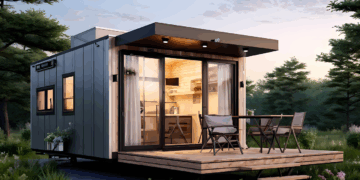
Building Green: Harnessing the Power of Natural Materials for Your DIY Dream Home
As more and more people become aware of the impact that human activity has on the environment, the trend towards green building practices has gained momentum. Building a home that is energy-efficient, sustainable, and environmentally friendly not only helps to reduce your carbon footprint but also creates a healthier living environment for you and your family. One of the key ways to achieve this is by harnessing the power of natural materials in your DIY dream home.
The Benefits of Using Natural Materials
Natural materials such as wood, stone, clay, and straw have been used in construction for centuries. These materials are not only renewable and biodegradable but also have excellent thermal properties, which can help to regulate the temperature inside your home and reduce your energy bills. In addition, natural materials are non-toxic and do not emit harmful chemicals into the air, creating a healthier indoor environment for you and your family.
Wood
Wood is one of the most versatile and sustainable building materials available. It is renewable, biodegradable, and has excellent insulating properties. When sourced from responsibly managed forests, wood can be a sustainable choice for your DIY dream home. You can use wood for framing, flooring, siding, and even interior finishes to create a warm and inviting living space.
Stone
Stone is another natural material that can add a touch of elegance and sophistication to your home. Whether you choose to use stone for your exterior walls, fireplace, or countertops, it is a durable and long-lasting material that requires minimal maintenance. Stone also has excellent thermal mass, which can help to regulate the temperature inside your home and reduce your energy consumption.
Clay
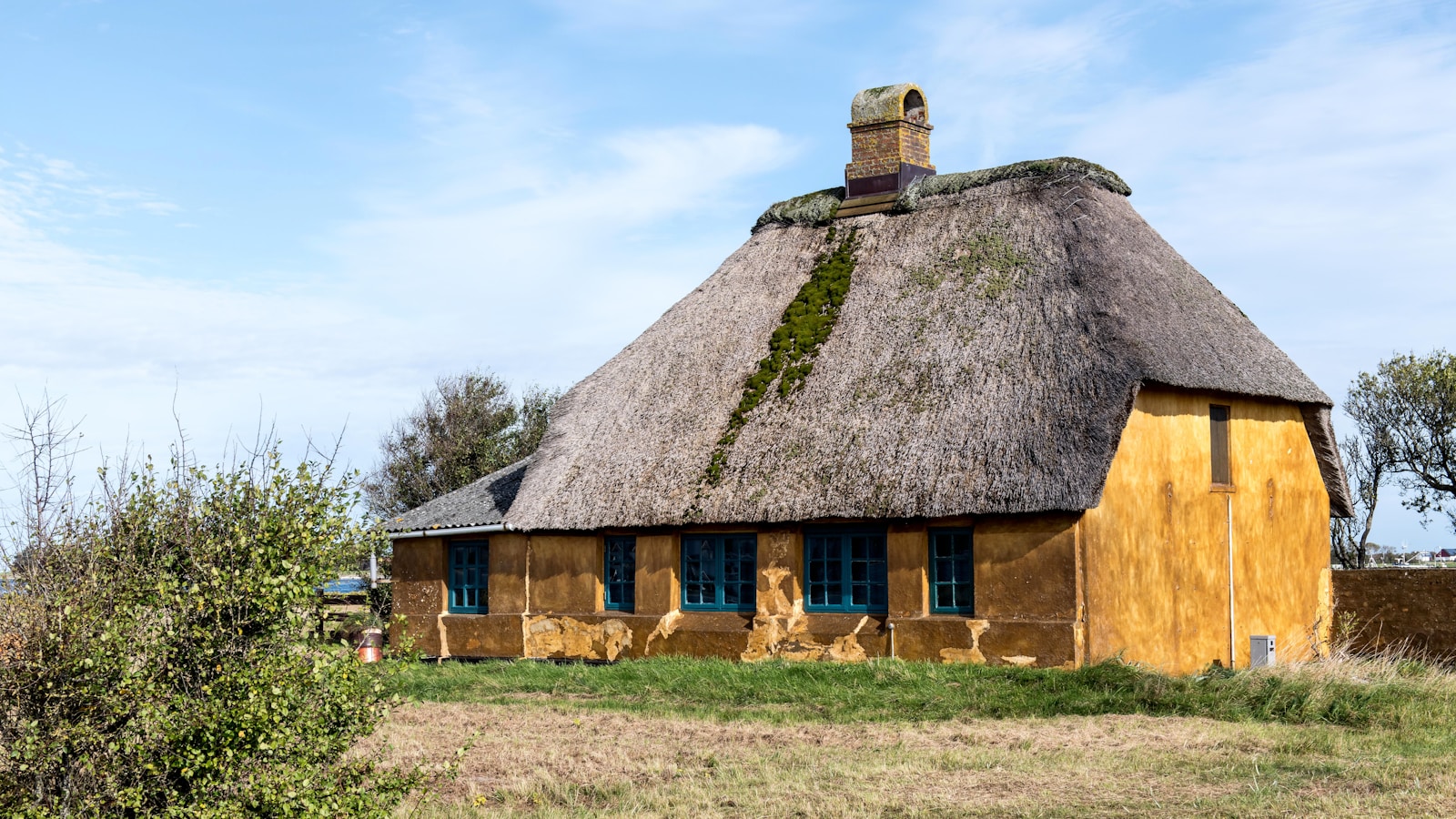
Clay is a versatile material that has been used in construction for thousands of years. It is non-toxic, fire-resistant, and has excellent thermal properties. You can use clay to build walls, floors, and even countertops in your DIY dream home. Clay is also a great material for creating a natural plaster finish on your walls, adding a touch of warmth and texture to your living space.
Straw
Straw bales are an eco-friendly alternative to traditional insulation materials. When properly sealed and plastered, straw bales can provide excellent insulation and help to regulate the temperature inside your home. In addition, straw bales are a renewable resource that is often discarded as waste, making them a sustainable choice for your DIY dream home.
Common Questions About Building Green
1. Is building a green home more expensive than traditional construction?
While the upfront costs of building a green home may be slightly higher than traditional construction, the long-term savings on energy bills and maintenance costs can offset the initial investment. In addition, there are various government incentives and tax credits available for green building projects that can help to reduce the overall cost.
2. Are natural materials as durable as traditional building materials?
When properly installed and maintained, natural materials can be just as durable as traditional building materials. In fact, some natural materials such as stone and clay are known for their longevity and resistance to wear and tear. With proper care and maintenance, your DIY dream home built with natural materials can last for generations.
3. How can I ensure that my DIY dream home is energy-efficient?
There are several ways to ensure that your DIY dream home is energy-efficient, such as using natural materials with excellent insulating properties, installing energy-efficient windows and doors, and incorporating passive solar design principles into your home’s layout. By optimizing your home’s energy performance, you can reduce your energy bills and minimize your environmental impact.
Conclusion
Building a green home with natural materials is not only good for the environment but also for your health and well-being. By harnessing the power of wood, stone, clay, and straw in your DIY dream home, you can create a sustainable and energy-efficient living space that is both beautiful and functional. With careful planning and attention to detail, you can build a home that reflects your values and enhances your quality of life for years to come.
So why not take the first step towards building your green dream home today?