In recent years, the trend of building green, eco-friendly homes has gained significant popularity among novice builders. Not only do these homes help reduce our carbon footprint, but they also offer a range of benefits such as lower energy costs, improved indoor air quality, and increased property value. However, many people are under the misconception that building a green home is expensive and out of reach for those on a budget. In this article, we will explore how novice builders can create budget-friendly eco homes without breaking the bank.
What is a Green Home?
Before diving into the specifics of building a budget-friendly eco home, it’s important to understand what exactly constitutes a green home. Green homes are designed to be energy-efficient, environmentally friendly, and sustainable. This means they are built using materials that have minimal impact on the environment, incorporate energy-saving features such as solar panels and high-efficiency appliances, and are designed to maximize natural light and ventilation.
Benefits of Building a Green Home
There are numerous benefits to building a green home, both for the environment and for the homeowner. Some of the key advantages include:
– Lower energy costs: By incorporating energy-efficient features such as solar panels, LED lighting, and high-efficiency appliances, green homes can significantly reduce energy bills.
– Improved indoor air quality: Green homes are designed to maximize natural ventilation and minimize the use of toxic materials, resulting in better indoor air quality for residents.
– Increased property value: Studies have shown that green homes tend to have higher resale values compared to traditional homes, making them a wise investment for homeowners.
Tips for Building a Budget-Friendly Eco Home
Building a budget-friendly eco home doesn’t have to be complicated or expensive. By following these tips, novice builders can create a sustainable and environmentally friendly home without breaking the bank:
1. Start with a Good Design
The foundation of any green home is a well-thought-out design that maximizes energy efficiency and sustainability. Consider factors such as orientation, natural light, and ventilation when designing your home to minimize the need for artificial lighting and heating.
2. Choose Sustainable Materials
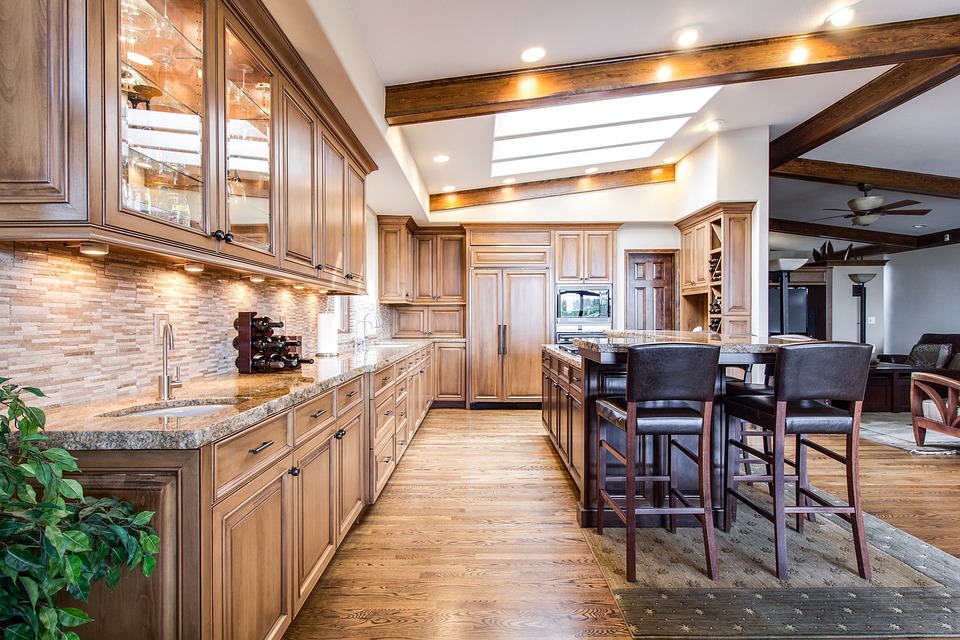
When selecting materials for your eco home, opt for sustainable options such as reclaimed wood, bamboo flooring, and recycled glass countertops. These materials are not only environmentally friendly but also cost-effective and durable.
3. Incorporate Energy-Efficient Features
To reduce energy costs, consider incorporating energy-efficient features such as solar panels, high-efficiency appliances, and LED lighting. While these features may require an initial investment, they will pay off in the long run through lower energy bills.
4. Focus on Insulation
Proper insulation is key to maintaining a comfortable indoor temperature and reducing the need for heating and cooling. Invest in high-quality insulation for your eco home to minimize energy consumption and increase comfort.
5. Opt for Passive Solar Design
Passive solar design is a cost-effective way to harness the sun’s energy for heating and lighting. By orienting your home to maximize sunlight exposure and incorporating features such as large windows and thermal mass, you can reduce your reliance on artificial heating and lighting.
6. Consider Water-Efficient Fixtures
In addition to energy efficiency, it’s important to consider water efficiency when building a green home. Install water-saving fixtures such as low-flow toilets and showerheads to reduce water consumption and lower utility bills.
7. Embrace Natural Ventilation
Maximizing natural ventilation is another key aspect of building a green home. By strategically placing windows and vents to encourage airflow, you can reduce the need for air conditioning and improve indoor air quality.
8. DIY Where Possible
To save money on construction costs, consider taking on some DIY projects yourself. Whether it’s painting, landscaping, or installing fixtures, doing some of the work yourself can help reduce labor costs and stay within budget.
Conclusion
Building a budget-friendly eco home is not only achievable but also a rewarding experience for novice builders. By following these tips and incorporating sustainable features into your home design, you can create a green, energy-efficient, and environmentally friendly home without breaking the bank. Start your journey towards a greener future today and reap the benefits of a sustainable lifestyle.