Building a Greener Future: The Blueprint for Sustainable Real Estate Design
In recent years, there has been a growing emphasis on sustainable development and environmental protection in the real estate industry. With the increasing awareness of climate change and the need to reduce carbon emissions, developers and architects are now looking for ways to build greener, more sustainable buildings. In this article, we will discuss the importance of sustainable real estate design and provide a blueprint for creating environmentally-friendly buildings.
The Benefits of Sustainable Real Estate Design
There are numerous benefits to designing and constructing sustainable buildings. Not only do they help protect the environment, but they also offer a number of economic and social advantages. Some of the key benefits of sustainable real estate design include:
- Reduced energy consumption and operating costs
- Improved indoor air quality and occupant health
- Enhanced property value and marketability
- Compliance with regulations and green building certifications
- Positive impact on the local community and environment
Key Elements of Sustainable Real Estate Design
When it comes to designing sustainable buildings, there are several key elements to consider. These include:
Energy Efficiency
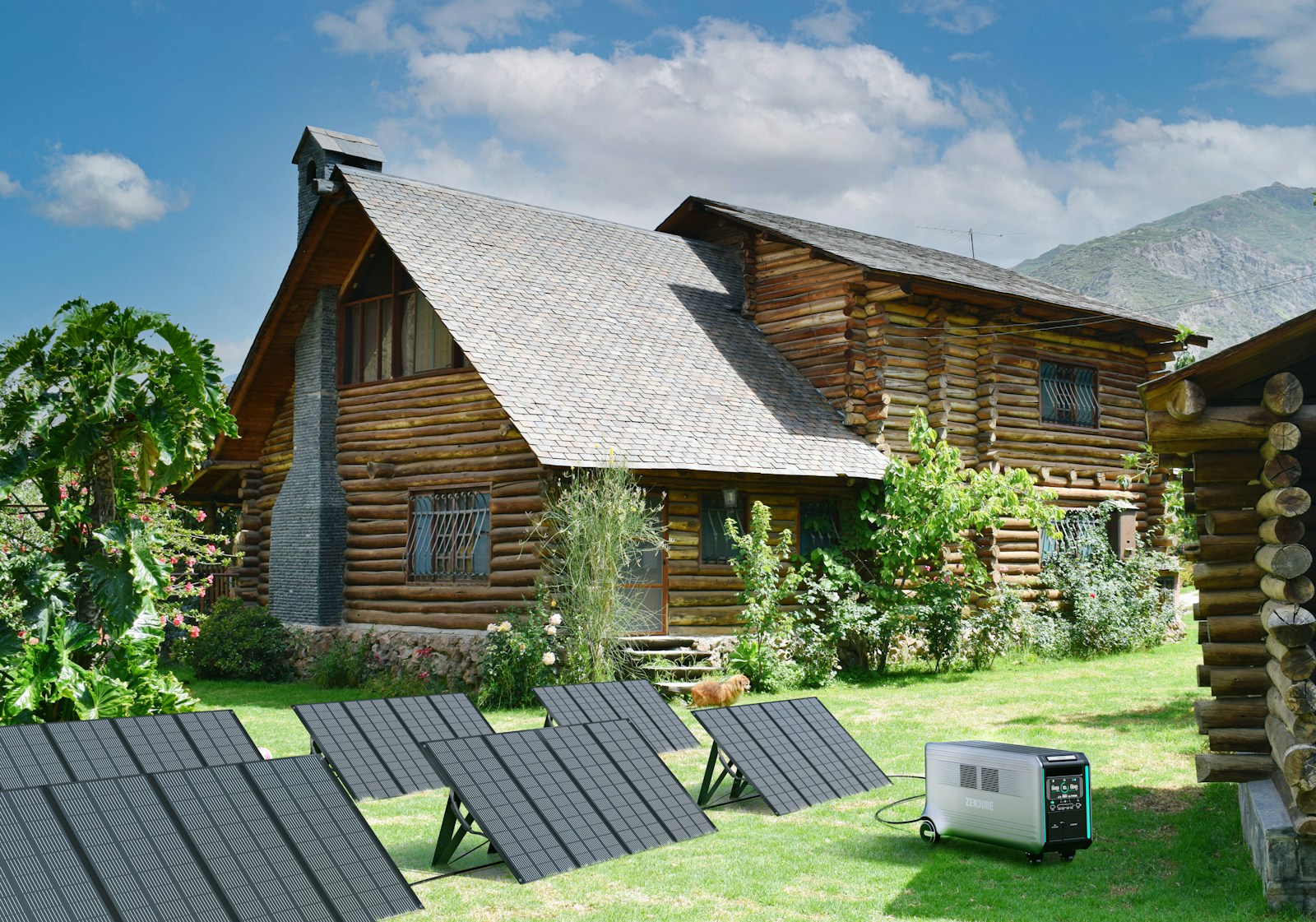
One of the most important aspects of sustainable real estate design is energy efficiency. By incorporating energy-efficient technologies and practices, developers can reduce the overall energy consumption of a building and lower operating costs. This can include using energy-efficient appliances, LED lighting, and renewable energy sources such as solar panels.
Water Conservation
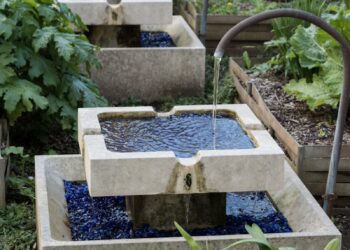
Another important element of sustainable design is water conservation. By implementing water-saving fixtures and systems, developers can reduce water usage and promote water sustainability. This can include installing low-flow toilets, faucets, and showerheads, as well as implementing rainwater harvesting systems.
Materials Selection
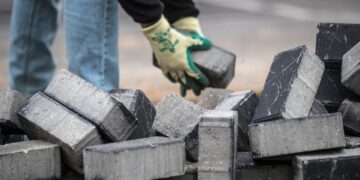
The materials used in a building can also have a significant impact on its sustainability. By choosing environmentally-friendly materials such as recycled steel, bamboo flooring, and low-VOC paints, developers can reduce the carbon footprint of a building and promote sustainable practices in the construction industry.
Waste Management
Proper waste management is another important consideration in sustainable real estate design. By implementing recycling programs, composting systems, and construction waste reduction strategies, developers can minimize the amount of waste generated during construction and operation of a building.
Implementing Sustainable Design Practices
When it comes to implementing sustainable design practices, there are several steps that developers can take to ensure that their buildings are as environmentally-friendly as possible. Some of these steps include:
Consulting with Sustainability Experts
One of the first steps in designing a sustainable building is to consult with experts in the field of sustainability. By working with architects, engineers, and other professionals who specialize in green building practices, developers can ensure that their projects meet the highest standards of sustainability.
Setting Sustainability Goals
Developers should also set clear sustainability goals for their projects. This can include targets for energy efficiency, water conservation, materials selection, and waste management. By setting specific goals, developers can track their progress and make adjustments as needed to ensure that their buildings are as sustainable as possible.
Using Sustainable Design Tools
There are a number of tools and resources available to help developers design sustainable buildings. This can include software programs that analyze energy usage, water consumption, and materials selection, as well as resources that provide guidance on green building practices and certifications.
Common Questions About Sustainable Real Estate Design
As interest in sustainable real estate design continues to grow, there are a number of common questions that developers and architects may have. Some of these questions include:
How can I incorporate sustainable design into my projects?
There are a number of ways to incorporate sustainable design into real estate projects, including using energy-efficient technologies, water-saving fixtures, and environmentally-friendly materials. By working with sustainability experts and setting clear goals, developers can ensure that their projects are as sustainable as possible.
What are the benefits of sustainable real estate design?
There are numerous benefits to designing sustainable buildings, including reduced energy consumption, improved indoor air quality, enhanced property value, and compliance with regulations and certifications. Sustainable buildings also have a positive impact on the environment and local community.
How can I track the sustainability of my projects?
Developers can track the sustainability of their projects by setting clear goals and using tools and resources to monitor energy usage, water consumption, materials selection, and waste management. By tracking their progress, developers can make adjustments as needed to ensure that their buildings are as sustainable as possible.
Conclusion
Building a greener future is essential for the health and well-being of our planet. By incorporating sustainable design practices into real estate projects, developers can help reduce carbon emissions, protect the environment, and promote a more sustainable future. By following the blueprint outlined in this article, developers can create environmentally-friendly buildings that offer numerous economic, social, and environmental benefits. Together, we can build a greener future for generations to come.