Building a Greener Future: Innovative Low Carbon Footprint Construction Techniques Unveiled
As the global population continues to grow and urbanization expands, the construction industry is facing increasing pressure to reduce its carbon footprint. In response to this challenge, innovative low carbon footprint construction techniques have been developed to help build a greener future for the planet. These techniques not only minimize the environmental impact of construction projects but also offer long-term benefits in terms of energy efficiency and sustainability.
Benefits of Low Carbon Footprint Construction Techniques
Low carbon footprint construction techniques offer a wide range of benefits, both for the environment and for the builders themselves. By using sustainable materials and energy-efficient design practices, construction projects can significantly reduce their carbon emissions and contribute to a healthier planet. In addition, these techniques can help builders save money on energy costs in the long run, making them a smart investment for the future.
Sustainable Materials
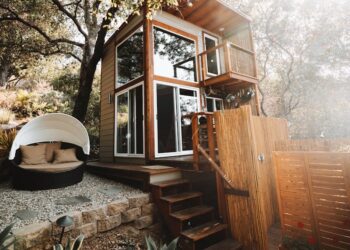
One of the key components of low carbon footprint construction techniques is the use of sustainable materials. This includes materials that are renewable, recyclable, or have a low environmental impact. For example, bamboo is a popular choice for flooring and furniture because it grows quickly and is easily replenished. Recycled steel and concrete are also commonly used in construction projects to reduce the need for new materials and minimize waste.
Energy-Efficient Design
Another important aspect of low carbon footprint construction techniques is energy-efficient design. This includes using natural light and ventilation to reduce the need for artificial lighting and heating, as well as incorporating insulation and energy-efficient appliances to minimize energy consumption. By designing buildings that are more energy efficient, builders can reduce their carbon emissions and lower their operating costs over time.
Common Questions About Low Carbon Footprint Construction Techniques
What are the main challenges of implementing low carbon footprint construction techniques?
One of the main challenges of implementing low carbon footprint construction techniques is the upfront cost. Sustainable materials and energy-efficient design practices can be more expensive than traditional building methods, which can deter some builders from adopting these techniques. However, the long-term benefits of reduced energy costs and a smaller environmental impact often outweigh the initial investment.
How can builders ensure that their construction projects have a low carbon footprint?
Builders can ensure that their construction projects have a low carbon footprint by carefully selecting sustainable materials, incorporating energy-efficient design practices, and minimizing waste throughout the construction process. By working with architects and engineers who are knowledgeable about low carbon footprint construction techniques, builders can create buildings that are both environmentally friendly and cost-effective.
Examples of Innovative Low Carbon Footprint Construction Techniques
Passive House Design
Passive house design is a popular low carbon footprint construction technique that focuses on creating buildings that are highly energy efficient and have minimal environmental impact. By incorporating features such as super insulation, airtight construction, and energy-recovery ventilation, passive houses can reduce energy consumption by up to 90% compared to traditional buildings. This not only lowers carbon emissions but also improves indoor air quality and comfort for occupants.
Green Roofs
Green roofs are another innovative low carbon footprint construction technique that can help reduce the environmental impact of buildings. By planting vegetation on the roof of a building, green roofs can provide insulation, absorb rainwater, and improve air quality. In addition, green roofs can help reduce the urban heat island effect by lowering the temperature of the building and surrounding area, making them a valuable addition to any sustainable construction project.
Conclusion
Building a greener future is essential for the health of our planet and future generations. By adopting innovative low carbon footprint construction techniques, builders can reduce their environmental impact, save money on energy costs, and create healthier and more sustainable buildings. From sustainable materials to energy-efficient design practices, there are a wide range of techniques available to help builders build a greener future for all. It is time for the construction industry to embrace these techniques and work towards a more sustainable and environmentally friendly future.
By implementing these innovative low carbon footprint construction techniques, we can create a better world for ourselves and future generations. Let’s build a greener future together.